

dc fix contact paper is a versatile, self-adhesive decorative film that allows both renters and homeowners to quickly refresh furniture, countertops, and walls with minimal tools or mess.
Key Takeaways
- dc fix contact paper offers simple, renter-friendly surface updates without permanent changes or professional installation.
- Proper prep and application techniques are the key to avoiding air bubbles and ensuring long-term results with contact paper.
- Creative uses—like appliance wraps or quick furniture makeovers—expand far beyond just lining shelves or drawers.
- What Is dc fix Contact Paper and Why Use It?
- How to Use dc fix Contact Paper: A Step-by-Step Guide
- Advanced Analysis & Common Pitfalls With dc fix Contact Paper
- Conclusion: Should You Try dc fix Contact Paper?
- Frequently Asked Questions
What Is dc fix Contact Paper and Why Use It?
dc fix contact paper is a peel-and-stick decorative film designed for easy installation on flat surfaces. Available in wood grain, marble, solid, or patterned finishes, it offers a fast, affordable way to update kitchen counters, cabinets, appliances, tabletops, shelving, and even walls, all without painting or permanent adhesive. dc fix is especially popular among renters, DIYers, and anyone seeking reversible home upgrades.
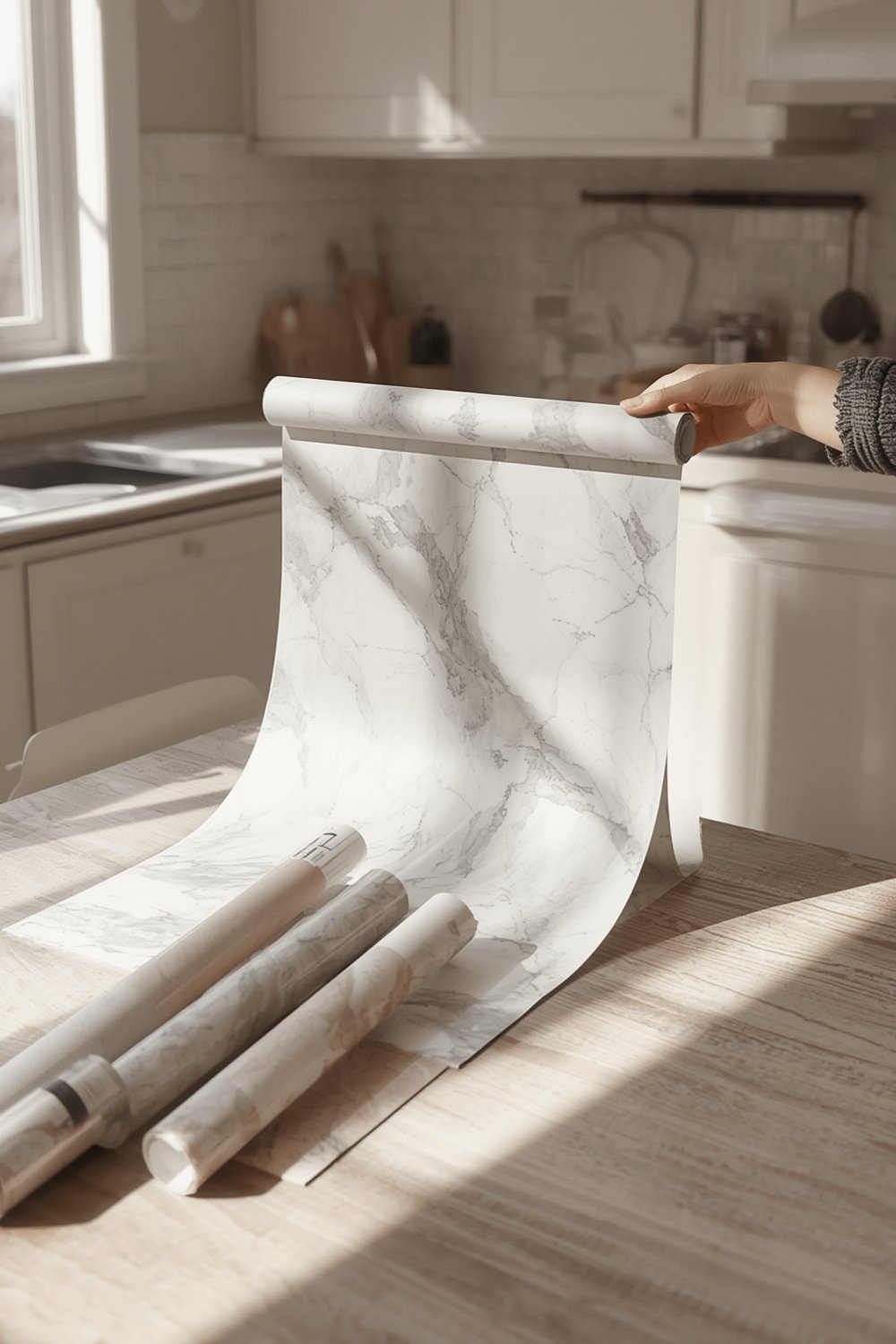
Unlike traditional wallpaper or shelf liner, dc fix contact paper comes with a durable top layer and pressure-sensitive adhesive that’s formulated to stick securely—yet can often be repositioned during application. It’s water-resistant and wipes clean, making it suitable for kitchens, bathrooms, and high-traffic areas.
Global trends show steady growth in the self-adhesive decorative film market, driven by demand for easy, low-commitment home updates. North America alone values self-adhesive vinyl films at over USD 1 billion in 2024, with usage expanding in both homes and commercial decor. While wood effects and marble remain top choices, bolder prints and matte finishes now account for a growing share as people look to personalize spaces without damage.
For more inspiration on home updates, see these practical guides on organic modern kitchen style and renter-friendly furniture trends.
How to Use dc fix Contact Paper: A Step-by-Step Guide
While dc fix is known for easy DIY appeal, technique matters if you want pro-looking, flawless results. Here’s how to apply it—from prep to finishing edges—for lasting transformation:
- Clean the surface thoroughly. Wash with a degreaser or rubbing alcohol—any dust or oil will undermine adhesion.
- Measure and cut the contact paper. Always leave at least 1 extra inch on each side for trimming.
- Peel a small section of the backing paper. Start at one edge, exposing a strip about 2–3 inches wide.
- Line up carefully and make the initial stick. Use the grid markings if available; reposition as needed before pressing down fully.
- Smooth gradually with a squeegee, credit card, or microfiber cloth. Work outwards from the center to the edges as you press the paper in place. Peel, align, and smooth in small increments for the best results.
- Trim excess with a sharp utility knife or scissors. Run the blade carefully along the edge for a professional finish.
- Seal edges for durability. Press edges down firmly. For kitchen or bathroom projects, consider running a thin bead of clear caulk along sink or splash zone edges for extra water resistance.
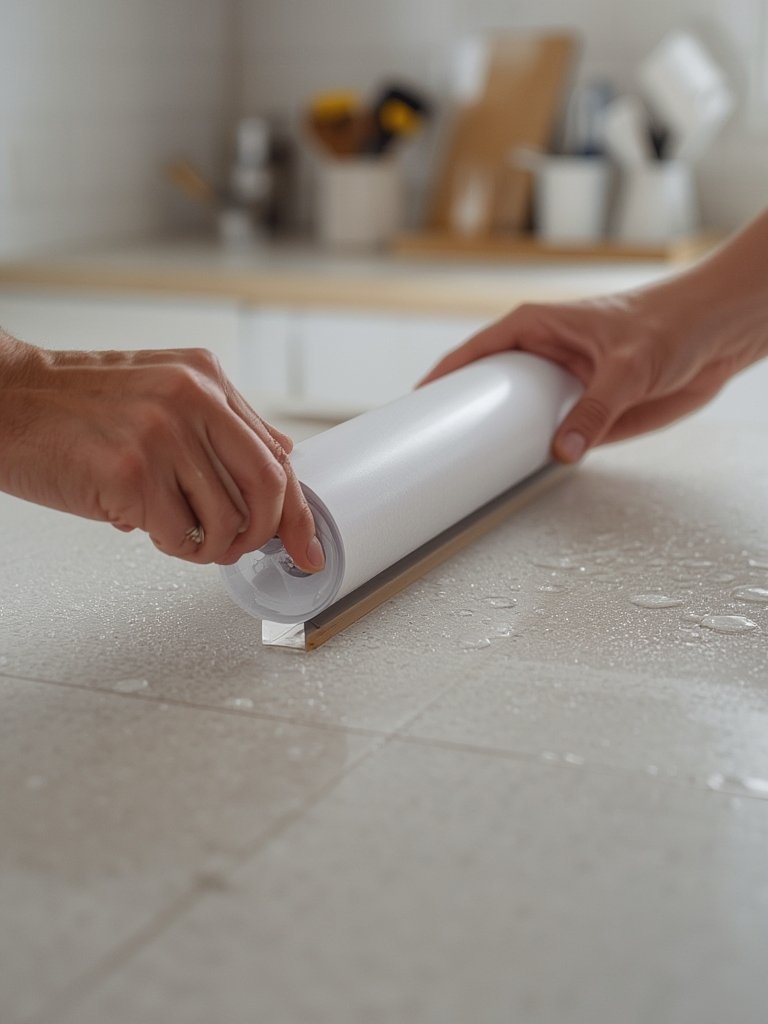
For complex surfaces—like rounded table edges, appliance handles, or cabinet doors with raised panels—cut the contact paper into sections that fit each area, slightly overlapping seams. This makes application more manageable and prevents stretching.
Curious about other effective DIY tools? Explore our honest guides to heavy duty shelf brackets and Rubbermaid drawer organizers for efficient home organization projects.
For renter-safe decor versatility, also check out Velcro picture hanging strips—ideal alongside contact paper for gallery walls or art displays.
Advanced Analysis & Common Pitfalls With dc fix Contact Paper
Even seasoned DIYers can run into a few common problems when working with dc fix contact paper. Understanding these pitfalls and how to address them makes all the difference between success and frustration.
- Air bubbles: One of the most frequent issues, bubbles can form if you rush the application or don’t smooth from the center outward. Small bubbles can be popped with a pin and smoothed flat, but larger ones may require lifting and reapplying the film.
- Edge peeling: Unsealed or poorly pressed edges may lift, especially in bathrooms and kitchens where moisture is present. Firmly seal edges and consider clear caulk for water-prone areas.
- Pattern misalignment: If you’re matching patterns (like tile, wood grain, or geometrics), cutting and positioning each piece carefully is crucial. Dry-fit panels before sticking down.
- Surface compatibility: dc fix applies best to smooth, solid, nonporous surfaces. Deep texture (like stucco, heavy woodgrain, or brick) can affect long-term adhesion.
| Pitfall | Root Cause | How to Fix |
|---|---|---|
| Bubbling | Rushing application, dirty surfaces | Work slowly, clean surfaces, pop small bubbles with a pin |
| Edge Peeling | Poor pressure or high humidity | Press edges firmly, seal with caulk in wet zones |
| Wrinkling on curves | No heat applied, improper cutting | Use a hair dryer, section film for tight curves |
| Pattern Misalignment | No dry fit or pre-measuring | Dry fit panels, mark reference lines before peeling |
In terms of long-term performance, dc fix’s adhesive strength and water resistance appear largely competitive according to general market trends for self-adhesive films, though specific technical comparisons are lacking (source).
For even more durable and advanced solutions, especially for moisture-prone spaces, compare with recommendations for washable rugs or kitchen-specific backsplash tiles.

Environmental considerations are increasingly important for many buyers. Though specific eco-certifications for dc fix are not published, the broader category of self-adhesive films is influenced by growing demand for recyclable and eco-friendly materials. The global shift toward sustainable paper products is well-documented and continuing to rise (source). For paper waste, U.S. recycling rates rose by 60% since 1990 (source), though always confirm with manufacturers for product-specific recycling options.
If sustainability is a must, combine contact paper with other eco-friendly changes, like non-toxic air fryers for kitchens or outdoor solar lighting projects.
Conclusion: Should You Try dc fix Contact Paper?
dc fix contact paper is an accessible, affordable solution for instantly updating home surfaces with little mess or downtime. With careful prep and the application advice above, you can avoid the most common issues—like air bubbles or peeling edges—and enjoy reversible style upgrades anywhere in your space. From countertop refreshes to unexpected uses like appliance wraps or even custom drawer organizers, dc fix contact paper puts design in your hands. Give it a try for your next DIY project and discover what’s possible in a weekend.
Explore even more actionable home and product tips in our top product picks and recommendations guide today.
Frequently Asked Questions
Can dc fix contact paper be removed without damage?
In most cases, dc fix contact paper peels off cleanly from smooth, non-porous surfaces. Warming gently with a hair dryer can help soften the adhesive for easier removal. Test in a hidden spot first for delicate finishes.
Is dc fix contact paper heat or water resistant?
It is water-resistant for standard kitchen and bath surfaces. However, avoid direct contact with open flames or placing hot pots directly on the film to prevent heat damage or warping.
Can I use dc fix on textured or uneven surfaces?
dc fix adheres best to smooth and clean surfaces. Deeply textured walls, rough wood, or brick can prevent good contact and lead to early lifting or bubbles. Sand or use a base layer if necessary for challenging surfaces.
What should I do if air bubbles appear after installation?
For small bubbles, prick gently with a pin and press out the trapped air. For larger bubbles, try peeling back that section, smoothing, and re-adhering. Working slowly during installation helps avoid the majority of bubbles.
Is dc fix contact paper environmentally friendly?
While some self-adhesive films highlight eco-friendly options, specific certifications for dc fix are not currently published. Refer to local recycling programs or check with the manufacturer for latest materials info.