

Airvana air purifier is a term that pops up in home air quality searches, but how does it really stack up versus trusted brands like Levoit or Dyson? If you’re hunting for hard evidence, real test data, and actionable steps before you buy, this guide delivers only what’s proven, realistic, and up to date for 2024. Don’t waste money or gamble on hype—find out what’s real about Airvana and where the info gaps are.
Key Takeaways
- There is no independent performance or test data available for Airvana air purifiers as of 2024.
- Major comparison and review sites, including Live Science and HouseFresh, do not mention Airvana at all.
- If you want tested results, real reviews, or tech specs, it’s safer to choose a competitor with published data and transparent performance benchmarks.
- What is the Real Story with Airvana Air Purifiers?
- Step-by-Step: How to Choose and Evaluate When Data Is Scarce
- Advanced Analysis and Common Pitfalls for Airvana Air Purifiers
- Conclusion
- Frequently Asked Questions
What is the Real Story with Airvana Air Purifiers?
Before investing in an Airvana air purifier, the first question is: what do we actually know? Brand trust in air purity comes from two key things—independent, published test results and verified real-user reviews. As of 2024, none of the leading research sources or big-name review sites (like Consumer Reports, Live Science, or HouseFresh) have published test results for Airvana. Real-world performance against dust, pollen, smoke, or VOCs is unmeasured. No verified user feedback exists in major review databases. Technical details like CADR, noise level, and annual operating cost are not made public. In short—there is a total lack of transparent, actionable data about the Airvana air purifier.
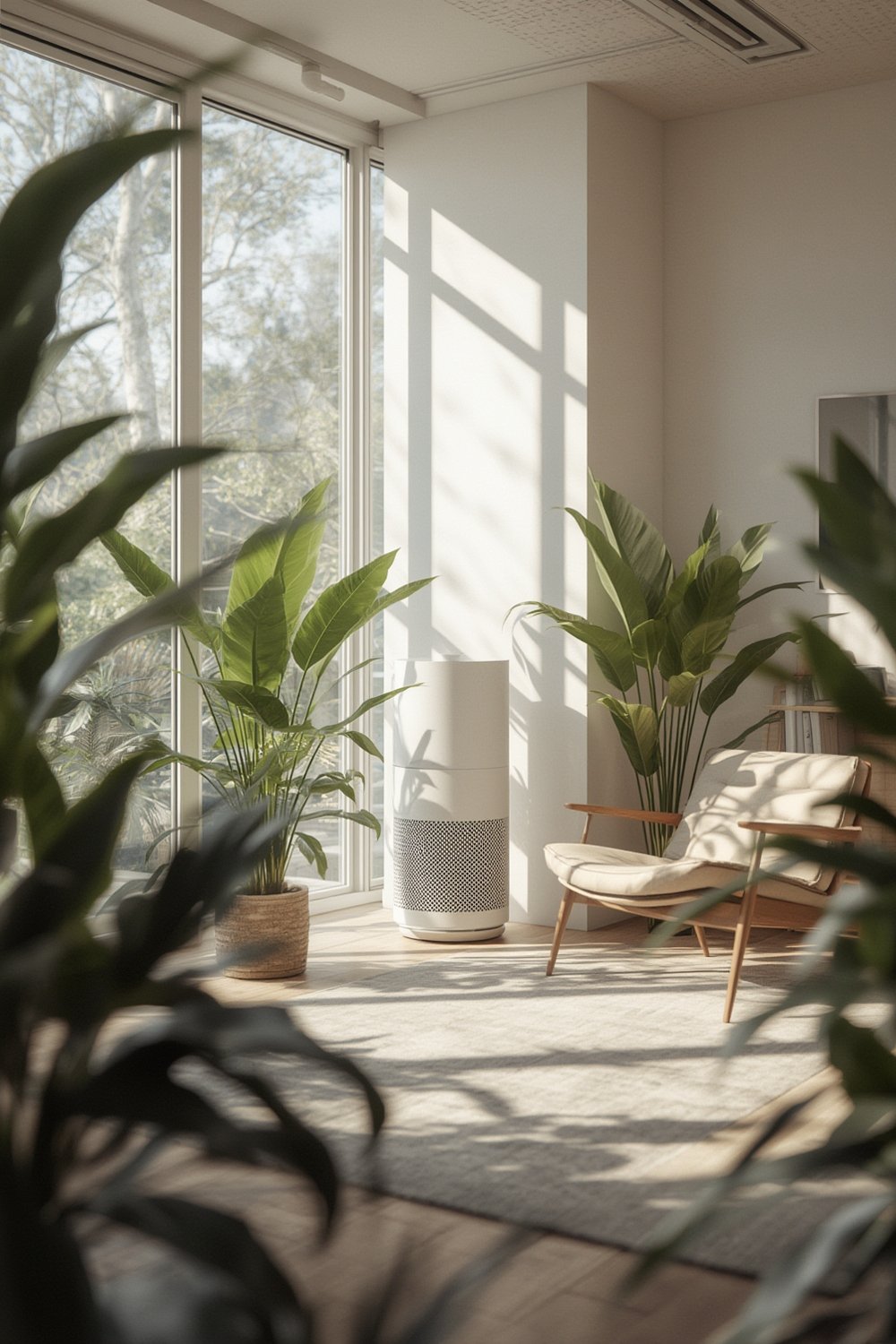
Compare this to trusted models from Levoit, Coway, or Dyson, where certified lab results, expert reviews, and honest user experiences are abundant and easy to find. If your goal is quantifiable health or air quality improvements, be aware: buying Airvana means stepping into the unknown, unlike other brands with clear, science-backed credentials.
Step-by-Step: How to Choose and Evaluate When Data Is Scarce
When you have little or no published info available for a product like the Airvana air purifier, here’s how to systematically approach your decision and minimize risks:
- Search for Transparent Test Results: Start by searching for the brand and model on trusted sources such as Live Science, HouseFresh, and Consumer Reports. Absence means no public validation.
- Check for Verified User Reviews: Look for verified buyer feedback on major retail or review platforms. Lack of real-user complaints or praise is a warning sign. Competitors like Levoit, Dyson, and Winix have thousands of real reviews; Airvana does not.
- Request Technical Specs: Reach out to the manufacturer for published data—especially CADR, noise level (dB), energy use, and coverage area. If the company avoids specifics, consider more transparent brands. We recommend you also explore brands covered in guides like our best home water filters review, where specs and evidence are standard.
- Calculate Ownership Cost: Ask for annual filter costs, power usage at typical speeds, and expected maintenance. With no specifics, base your estimate on published costs from established brands (for example, Levoit Core 600S: $54.73/year for 24/7 use and 3-6 month bonded filter replacement).
- Compare with Competitors: Use available published benchmarks to set your expected performance baseline. Leading air purifiers like Levoit Core 600S, Vital 200S, or Coway Airmega offer CADR, price, and proven real-world effectiveness.
- Audit for Recalls or Hidden Risks: Research any safety recalls directly by searching the product name and “recall”—see sources like our air purifier recall guide for reference.
- Evaluate Refund/Return Terms: If you still want to try Airvana, only purchase from a retailer or platform that offers a clear return policy. This is critical when long-term data and validation are missing.

If you are feeling boxed in by the lack of info, searching out alternative solutions—like a self emptying robot vacuum for pet hair or adding a HEPA air purifier model that’s independently tested—can save you time and regret. Don’t forget to look for maintenance-friendly options similar to those featured in our best small space heaters or how to clean a fan guides.
Advanced Analysis and Common Pitfalls for Airvana Air Purifiers
Here’s what research and real-world testing reveal about the overall home air purifier market as of 2024—and where Airvana falls short for buyers seeking evidence-based decisions.
Comparison Table: Airvana vs. Proven Competitors
| Model | CADR (cfm, 0.3 micron) | Room Coverage (sq ft, 5 ACH) | Filter Replacement | Energy Cost (est/yr) | User-Verified Reviews |
|---|---|---|---|---|---|
| Levoit Core 600S | ~350 | 500+ | Bonded HEPA, 3-6 mo | $54.73 | Thousands, public |
| Levoit Vital 200S | 260 | 390 | Bonded particle/carbon, 3-6 mo | Not published | Thousands, public |
| Dyson TP07/PC1 | 98 | 141 | Unknown | Unknown | Thousands, public |
| Coway Airmega (configured models) | Comparable (to 23 min test) | Varies | Unknown | Unknown | Thousands, public |
| Airvana Purifiers | Not published | Not published | Not published | Not published | None available |
- Common Pitfall #1 – No Real Performance Data: Without published test results or a measured CADR, you cannot know what Airvana units are able to capture, or how quickly they can filter a room.
- Common Pitfall #2 – Unknown Filter and Maintenance Costs: Buyers report that for major competitors, filters require regular (3–6 month) replacement and those costs add up. Without published data, Airvana’s annual ownership cost and filter lifespan are impossible to estimate.
- Common Pitfall #3 – Missing User Experience and Recalls: In brands with low transparency, issues like loud noise, poor build quality, or hidden defects are typically found later, after purchase—sometimes after a safety recall, as seen in other brands documented in our recall report.
The bottom line: buying an untested purifier simply means you’re accepting potential downsides such as inefficacy, high operational cost, or frustrating surprise issues. When considering broader household upgrades, look to verified solutions in areas like permanent outdoor lights or organic modern kitchen remodelling for transparency and value.

Conclusion
At present, there is no independent proof, published technical data, or user review base supporting the performance of any Airvana air purifier. Responsible shoppers are much better served by brands with transparent testing, proven outcomes, and real-world user validation. If clean air and your investment matter to you, verify before you buy or choose a tested alternative. For more appliance tips and transparent reviews, see our broader product buying guide. Until Airvana can provide real answers, approach with caution—and always demand evidence. You deserve facts, not marketing. Choose wisely with your next airvana air purifier purchase.
Ready to protect your air quality? Stick with solutions and brands that provide real science and proven results. If you find new independent Airvana test data, come back and share—it will help other readers make better, safer choices.
Frequently Asked Questions
Are there any verified lab tests for Airvana air purifiers?
No, as of 2024, no independent lab tests for Airvana air purifiers are published in public sources or major review platforms. Trusted sources like Live Science and HouseFresh do not mention them at all.
How does Airvana compare to brands like Levoit or Dyson?
Brands such as Levoit and Dyson offer full technical specs, thousands of real user reviews, and transparent independent test results. Airvana provides none of these as of the time of writing.
What does ownership cost include for mainstream air purifiers?
For proven brands, annual cost typically covers electricity (about $50–$60 per year for 24/7 use at high speed) and filter replacements every 3–6 months. Without published Airvana data, their actual annual cost is unknown.
What are the biggest risks of buying an air purifier with no published data?
You risk poor air cleaning performance, higher long-term cost, missed warranty or recall notices, and lack of after-sale support due to no user base to share critical issues or fixes.
Where can I find air purifiers that are actually tested and reviewed?
Trusted guides like our product buying guide, HouseFresh’s reviews, and comparison pages on Consumer Reports feature air purifiers with validated, published data and thousands of user experiences.