

Portable closet with doors offer a fast way to add enclosed storage to any room, but not every model is as sturdy, roomy, or easy to use as it appears. If you’re battling clutter or need flexible extra space, knowing how these closets work—and where they fail—can save money and frustration.
Key Takeaways
- Most portable closets with doors have weight limits between 50-70 lbs and steel or metal frames, but material and durability details are usually vague.
- Assembly is generally simple, but some units may not withstand frequent moving or heavy daily use—watch for plastic connectors and thin covers.
- Portable closets excel for renters and guests, but careful setup and realistic expectations are crucial for long-term satisfaction.
- The Core Concept: What is a Portable Closet with Doors and Why Bother?
- Step-by-Step Guide: Choosing, Setting Up, and Maximizing Use
- Advanced Analysis & Common Pitfalls
- Conclusion
- FAQ
The Core Concept: What is a Portable Closet with Doors and Why Bother?
A portable closet with doors is a lightweight, movable storage system—typically made with a steel or metal frame, fabric cover, and zippered doors. These bring extra storage to bedrooms, dorms, and apartments when adding built-in closets isn’t an option. The main draw is easy, temporary organization that hides clutter behind a soft “door.”
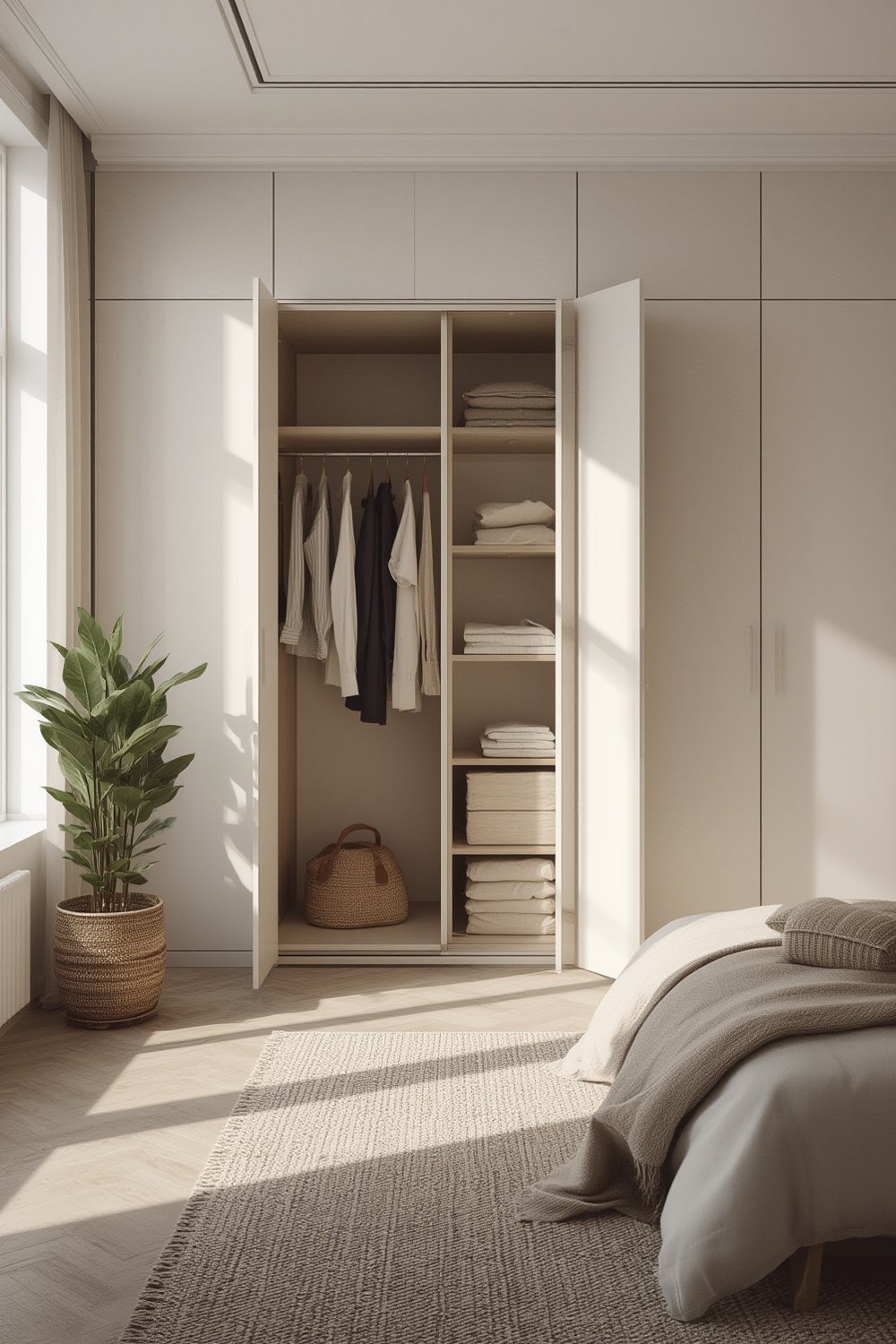
Styles range from basic single-rod closets for simple hanging, to wider options with multiple shelves—like the VTRIN Portable Closet—for more organization. Most have dust and moisture-resistant covers with zippers or fabric panels that act as doors.
These are especially popular for:
- Renters and students who can’t install permanent storage
- Overflow wardrobes or seasonal clothing rotation
- Guest rooms or short-term accommodations
Compared to open racks or permanent wardrobes, portable closets with doors are much easier to move, set up, and break down. For non-permanent needs, their flexibility beats installing traditional furniture or hiring a closets by design service.
Step-by-Step Guide: Choosing, Setting Up, and Maximizing Use
Here’s how to pick the right portable closet with doors, assemble it securely, and keep it in top shape for as long as you need it.
-
Assess Storage Needs:
- Measure your available floor space before choosing a model. The VTRIN model, for instance, is 57.3 x 15.4 x 64 inches—a size that’s apartment-friendly but wide enough for significant storage.
- Decide between simple hanging space or multiple shelves, considering what you’ll store (dresses, towels, shoes, etc.).
-
Compare Technical Specs & Durability:
- Look for metal or steel pipe frames—these outlast plastic alternatives.
- Check for weight ratings: Some, like the Hold N’ Storage model, claim 50 lb. maximum rod capacity. Lowes lists some up to 70 lbs.[source]
- Fabric covers should feel thick and have reinforced panels at stress points (like grommets/fabric loops).
-
Assembly:
- Most units use snap-together steel tubes and plastic corner connectors. Follow the diagram closely and don’t force misfitting parts.
- Avoid assembling on hardwood or soft carpet to prevent lost or damaged parts.
- The Casamaya version says assembly is a “breeze”, but actual time may vary depending on size and hand strength.
-
Placement & Weight Distribution:
- Keep heavier items on lower shelves and lighter garments above.
- Don’t overreach the closet’s stated weight—exceeding this causes sagging rods or snapped frames.
- If possible, place closet flush against a wall for extra stability and avoid blocking vents.
-
Keep It Secure and Tidy:
- Closets with zip or Velcro doors help contain dust but can snag or jam if overfilled.
- Consider optional interior bins or organizers for shoes and accessories, boosting functionality—see similar drawer organizers techniques for inspiration.
-
Maintenance:
- Wipe down fabric covers and air the closet out monthly to fight odor and mildew.
- Periodically re-tighten or check all connectors, especially after moving the unit.
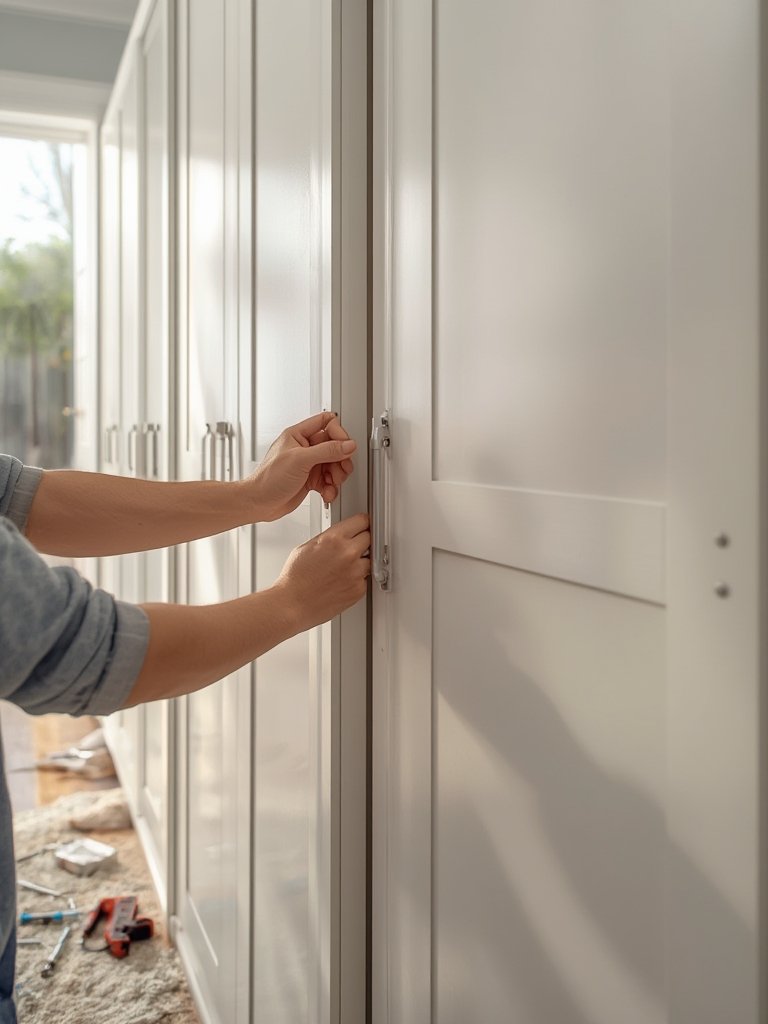
Want more creative ways to maximize storage? Consider modular shelving units or even a boneless couch for extra seating that hides storage underneath.
If permanent improvement is your goal, a closets by design project might be the better long-term solution, though less flexible for renters.
Advanced Analysis & Common Pitfalls
Portable closets with doors promise quick setup and affordable storage, but users run into a few recurring snags. Here’s what to watch and how to minimize risks:
| Issue | Portable Closet with Doors | Traditional Wardrobe | Open Clothing Rack |
|---|---|---|---|
| Weight Capacity | 50-70 lbs (varies by model) | 150+ lbs | 30-150 lbs |
| Durability (Move/Reuse) | Variable—steel frames last longer; plastic connectors prone to wear | Very high—can move, but very heavy | High with metal frame |
| Assembly Complexity | Low: 20-40 mins, no power tools | High: professional install/move | Very low |
| Security Features | Minimal (zippered/fabric doors, no locks) | Solid wood/locks | None |
| Space Efficiency | Good—fits small/narrow rooms | Varies—can be bulky in small spaces | Open/less efficient for dust protection |
- Durability Uncertainty: Many portable closets use thin steel pipes and plastic joints—any repeated disassembly, overloading, or rough moving can weaken the whole structure.
- Fabric Door Wear: Zippers and panels break down if stretched over bulging contents. Fabric doors don’t block all dust or pests.
- Assembly Surprises: Quick “tool-free” set-ups can turn frustrating if tubes don’t fit snugly, or if connector angles aren’t perfectly aligned.
- No Real Security: Unlike furniture-grade wardrobes, there are no built-in locks or sturdy doors—do not store valuables.
- Moisture Susceptibility: Fabric covers can trap humidity, increasing mildew risk. Always air out your closet, especially in basements.
- Out-of-Sight Storage = Out-of-Mind: Portable closets excel at hiding messes, but this may encourage over-accumulation of clothes you never use.
If you routinely need to move or reorganize, modular shelving units are tougher. And for specialized storage (like sports gear), check garage cabinets or storage bins.
Conclusion
Portable closets with doors are a practical, renter-friendly storage solution if you accept their limits. They’re best for light-to-medium clothing loads, short-term or seasonal overflow, and any situation where a drill or truck is out of the question.
If your needs demand bulletproof durability or full security, consider investing in permanent furniture. But for most, a portable closet with doors provides fast flexibility—just don’t overpack or treat it like a wardrobe that will last a lifetime.
Ready to tackle clutter? Pick your portable closet, set it up with care, and enjoy tidy, dust-protected storage. Explore more product picks and recommendations for every room in your home.
FAQ
What weight can most portable closets with doors hold?
The maximum weight typically ranges from 50 to 70 lbs depending on the model and rod thickness. Always follow manufacturer ratings to avoid sagging or collapse. [source]
Are portable closets with doors difficult to assemble?
Most come with snap-together steel or plastic tubes and take about 20-40 minutes to assemble. Some users find connector alignment tedious but no major tools are required.
Can a portable closet with doors protect clothes from dust and bugs?
Zippered covers offer moderate dust protection but won’t fully seal against pests or moisture. Best results come from careful placement away from humidity and regular airing out.
Are these closets good for long-term, heavy-duty storage?
No. They work best for light-to-medium loads and temporary use. The plastic joints and fabric covers will degrade over time, especially if moved or overloaded regularly.
Are there alternatives for stronger or more stylish storage?
Yes. Modular shelving, garage cabinets, or built-ins offer higher durability and can be customized for your space.