

Looking for a durable, easy-to-install flooring solution? Interlocking foam floor tiles could be exactly what you need—whether you’re upgrading a playroom, gym, or workspace. This guide is your all-in-one resource for understanding their benefits, buying right, and avoiding common mistakes in 2024.
Key Takeaways
- Interlocking foam floor tiles offer quick installation, shock-absorption, and flexible designs for homes and commercial spaces.
- Material quality, thickness, and eco-friendliness directly impact safety, comfort, and long-term durability.
- Not all tiles are equal—understand technical differences and realistic pitfalls before you commit to a purchase.
- What Are Interlocking Foam Floor Tiles and Why Choose Them?
- How to Select and Install Interlocking Foam Floor Tiles: Step-by-Step
- Advanced Analysis & Common Pitfalls
- Conclusion
- FAQ
What Are Interlocking Foam Floor Tiles and Why Choose Them?
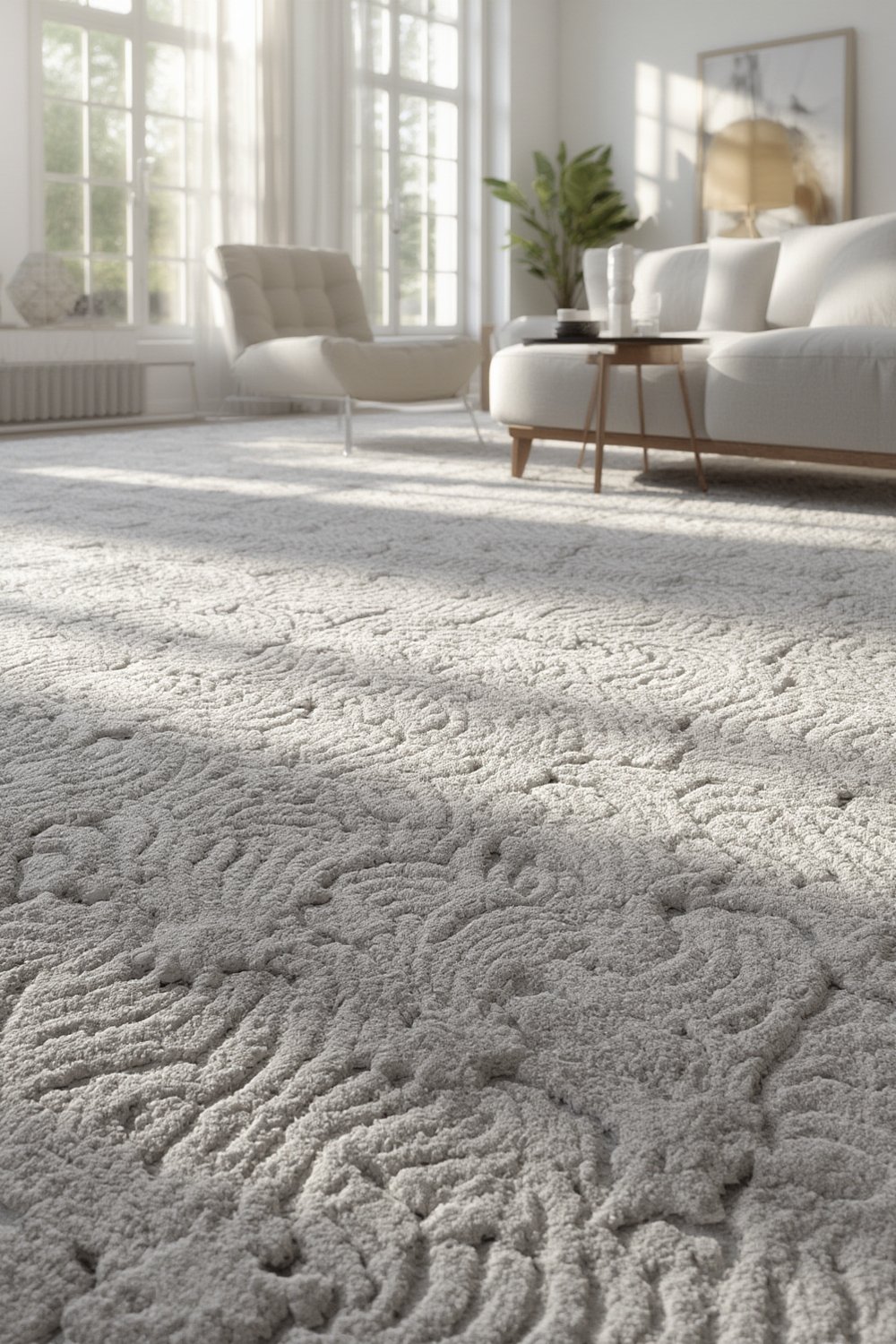
Interlocking foam floor tiles are lightweight, puzzle-piece mats made from EVA or PE foam. These tiles snap together without adhesives or tools, creating a seamless, cushioned surface that’s easy to install, remove, or expand as needed. Their popularity is surging worldwide, with projected market growth from USD 0.32 billion in 2024 to 0.55 billion by 2031 (various studies).
These tiles are popular for:
- Baby/child playrooms—safe, soft play area
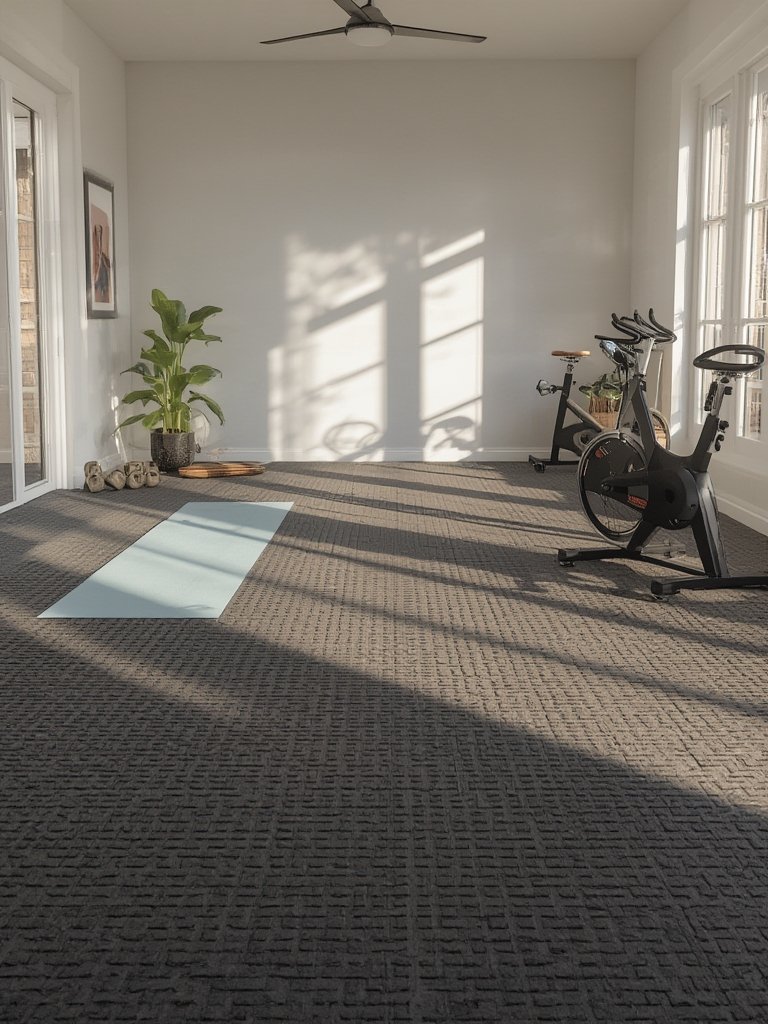
- Home gyms and fitness studios—shock absorption for yoga, Pilates, and weights
- Garages and workshops—comfortable, insulated underfoot
- Commercial childcare and fitness settings—easy cleaning, hygienic replacement
The combination of easy DIY installation, comfort, affordability, and growing eco-friendly options makes them an attractive upgrade for both homeowners and business owners. Since you can find tiles in many colors and finishes, they also help personalize any space for both practicality and style.
How to Select and Install Interlocking Foam Floor Tiles: Step-by-Step
- Measure Your Space: Clear the area. Carefully measure the length and width to calculate the number of tiles required. Standard sizes include 30x30cm and 60x60cm; check tile packaging to verify coverage.
- Prioritize Material and Thickness: Choose EVA or PE foam depending on your usage. Thicker and denser tiles (typically ≥12mm) are best for gyms or high-impact use, while thinner tiles (<12mm) are ideal for light activity. Eco-friendly, low-VOC options help with indoor air quality.
- Select Pattern and Finish: Pick the color, texture, and finish that fits your room. Look for waterproof or anti-slip features if needed.
- Lay Out Loose Tiles: Arrange all the tiles in your space without snapping them together so you can plan pattern placement and mark where tiles will need trimming.
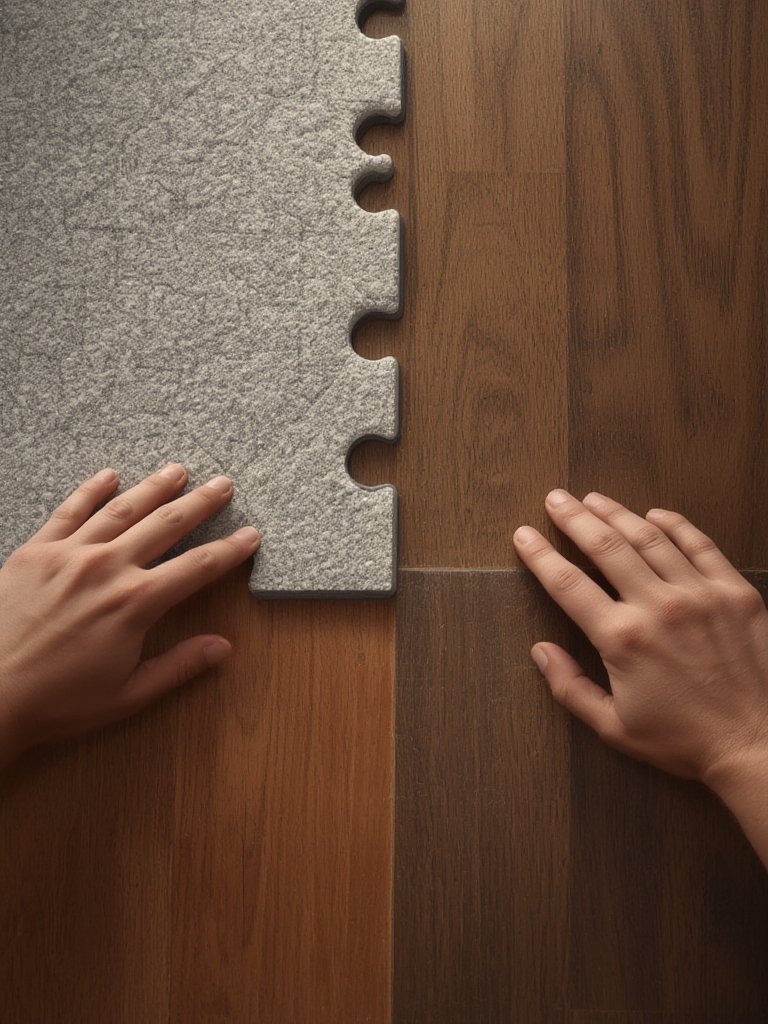
- Interlock Tiles: Starting from a corner, push the tiles together by aligning and pressing the interlocking edges. Continue row by row.
- Trim Edges: Use a sharp utility knife and straightedge to cut end tiles for a custom fit against walls or fixed objects.
- Finish Edging: Most tile sets include border strips. Snap these onto exposed edges for a cleaner, trip-free perimeter.
- Routine Maintenance: Vacuum or sweep regularly. For deeper cleaning, mop the surface with a mild detergent (never soak). Disassemble and air out occasionally to prevent trapped moisture.
If you need to keep dirt and hair at bay—especially with pets—pair your new tiles with a self-emptying robot vacuum for pet hair to automate cleaning. For even easier organization, check out a kids laundry basket or garage cabinets for nearby storage.
For product ideas beyond flooring, our top product picks and recommendations can give you inspiration for the rest of your space.
Advanced Analysis & Common Pitfalls
Even with the benefits, there are a few issues buyers and users encounter with interlocking foam floor tiles. Here’s a breakdown—plus a comparison of key technical features to help you avoid mistakes:
- Durability: Thinner, low-density tiles may compress and tear with heavy furniture, dumbbells, or constant foot traffic. Invest in denser, thicker tiles for longevity in gyms or playrooms.
- Chemical Concerns: Some buyers worry about odors or chemical content, especially for children’s rooms. While many brands market “eco-friendly” or low-VOC options, most published studies do not confirm BPA-, phthalate-, or formamide-free claims—so always check for reputable safety certifications.
- Tiles Shifting Apart: Poor interlocking mechanisms or uneven subfloors can lead to gaps between tiles. This creates trip hazards and collects debris underneath.
- Water Damage: Despite being labeled “waterproof,” not all tiles are truly impermeable at the seams. Spills can seep between gaps unless promptly wiped up.
- Maintenance: Dirt, pet hair, and dust can settle into seams. Regular cleaning is needed; robot vacuums help.
Major regional trends and innovations are shaping the industry too. For deeper market perspective, see the analysis from Dataintelo and Maximize Market Research.
| Feature | Budget Tiles | Mid-Range Tiles | Premium Tiles |
|---|---|---|---|
| Material Type | EVA, thin PE | High-density EVA/PE | Recycled, low-VOC, specialty blends |
| Thickness | <10mm | 10-14mm | 15mm+ |
| Certifications | Rarely certified | May claim ASTM/EN71 | Usually certified child-safe, eco-friendly |
| Durability | Low | Good | Excellent |
| Typical Price | Low | Moderate | High |
| Common Use | Temporary, light play | Playrooms, home gyms | Commercial gyms, high-traffic areas |
For other common organizing struggles, such as keeping your pantry critter-free, read our pantry moth control tips.
Conclusion
Whether you need comfort for a child’s room, safety for a gym, or durability for a high-traffic work zone, interlocking foam floor tiles offer a flexible, affordable solution. Remember, quality and technical specs make all the difference: don’t just buy the cheapest tiles—match your choice to your needs and always check for safety assurances. If you’re ready to transform your space, now is the time to upgrade with interlocking foam floor tiles. Explore more top home product options and get started today.
FAQ
Can I use interlocking foam floor tiles on carpeting?
Yes, you can lay interlocking foam floor tiles over low-pile carpet, but tiles may shift or separate. For the most secure result, use them over a hard, flat surface.
Are foam tiles safe for babies and pets?
Most foam tiles marketed for children are designed with safety in mind, but few brands provide verified lab certification for being free of BPA, formamide, or phthalates. When in doubt, contact the manufacturer for documentation.
How do I clean and maintain foam tiles?
Sweep or vacuum regularly. Mop with mild soap and water—never soak the tiles. Disassemble occasionally to air out and prevent trapped moisture.
Do the tiles lose cushioning over time?
Lower-density tiles may compress, especially under heavy use or furniture. Higher-density, thicker premium tiles offer much better resilience and lifespan.
Can I use interlocking tiles outdoors?
Most indoor foam tiles are not UV-stabilized and may fade or degrade outdoors. For patios, look for tiles specifically rated for exterior use.