

How to install plastic drywall anchors is a skill that every homeowner or renter should have in their DIY toolkit. Whether you’re hanging pictures, shelving, or light fixtures, plastic drywall anchors are an affordable, versatile solution—if you use them the right way. Done poorly, they’ll strip, fail, or damage your wall. Done correctly, they deliver hassle-free, reliable mounting for countless projects.
Key Takeaways
- Plastic drywall anchors excel for lightweight applications but have clear capacity and installation limitations you must respect.
- Misuse of power tools or excessive force is the main reason anchors fail, break, or strip out the drywall.
- Always check anchor type, rated load, and use proper installation technique for best results and wall safety.
- What Are Plastic Drywall Anchors & Why Use Them?
- How to Install Plastic Drywall Anchors: Step-by-Step Guide
- Advanced Analysis & Common Pitfalls
- Conclusion
- FAQs
What Are Plastic Drywall Anchors & Why Use Them?
Plastic drywall anchors are small, expandable sleeves that grip the inside of drywall panels to provide a sturdy attachment point for screws. They spread the load, preventing screws from simply pulling out of the soft drywall. Plastic anchors are extremely popular because they are easy to install, inexpensive in bulk, and ideal for mounting lightweight items like small shelves, hooks, or picture frames.
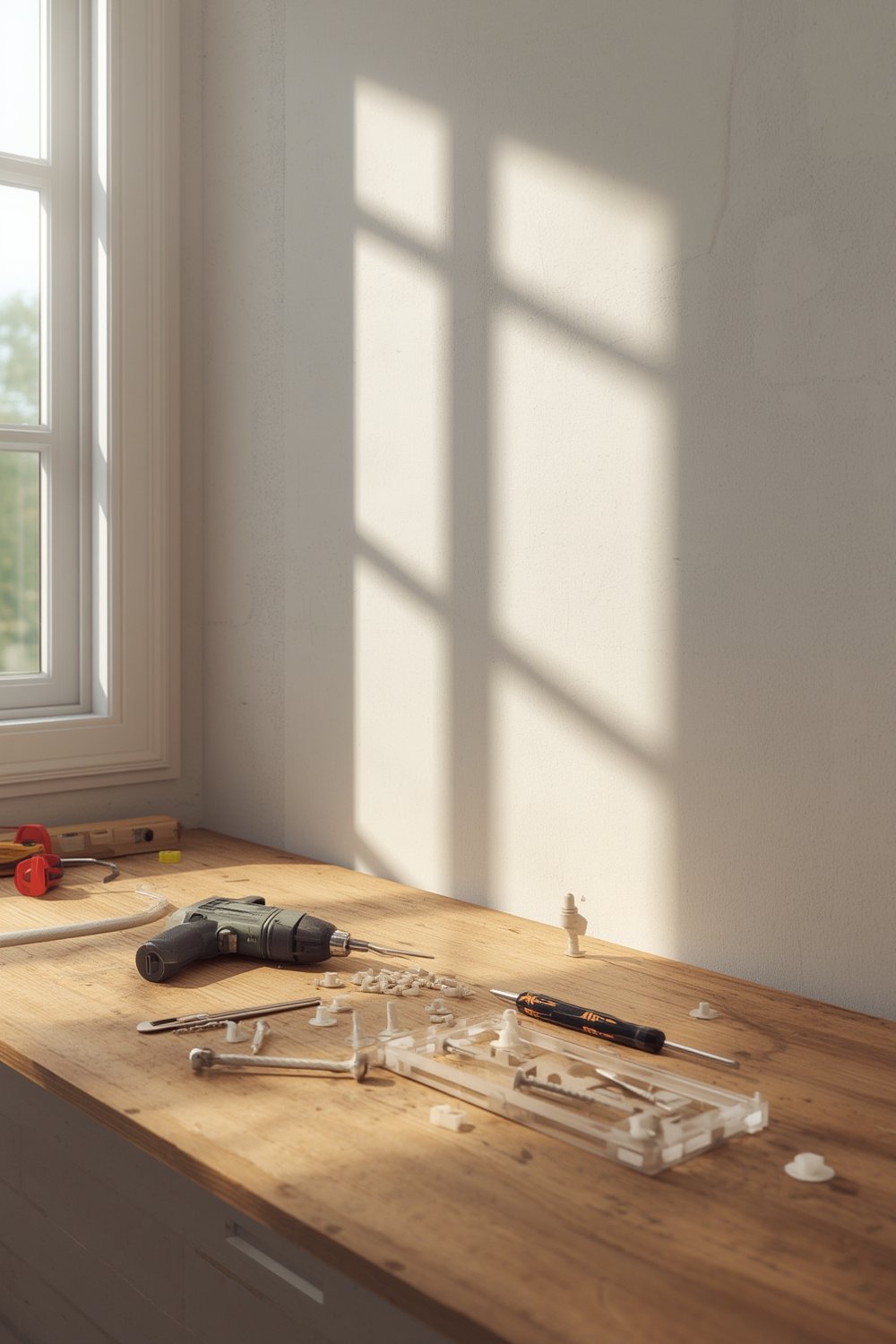
Unlike heavy-duty toggle or metal options, plastic drywall anchors do not require large holes or significant force. That makes them appealing, especially in apartments and homes where preserving wall integrity matters. However, using them for heavy items will almost certainly cause them to fail. Most basic plastics are rated for under 15 pounds in ½-inch drywall, with some advanced designs like mini togglers capable of supporting up to 65 pounds in the right conditions. For more demanding loads—like floating shelves or TV mounts—metal or toggle anchors should be your go-to choice.
With performance differences and durability concerns, always check the packaging and choose the right anchor for your project. (You can see latest info and performance trends in this consumer trend report.)
How to Install Plastic Drywall Anchors: Step-by-Step Guide
- Choose the Correct Anchor Type
For lightweight decor (photos, towel hooks), basic ribbed expansion anchors suffice. For heavier fixtures, pick mini toggler or hybrid anchors (EZ Ancor, for example) but do not expect them to support what metal toggles can. - Mark Your Drilling Spot
Use a tape measure and a spirit level for accuracy. Mark the anchor placement with a pencil. - Drill a Pilot Hole (If Needed)
For classic ribbed anchors, use a drill bit that matches the anchor’s diameter. Self-drilling (threaded) anchors skip this step, but be sure the tip stays sharp. - Insert the Anchor by Hand
Push the anchor into the pilot hole. If using a self-drilling anchor, use a hand screwdriver (not a power drill) to screw it into place. This prevents over-torquing and breaking the anchor tip. - Screw In
Set your bracket or fixture, and drive the screw into the anchor by hand. Stop when snug—over-tightening will damage the anchor and reduce holding strength.
For tasks like installing shelving or heavy-duty items, always double-check your anchor and screw sizes. Reference comparison guides or our heavy duty shelf brackets guide for more on choosing reliable hardware.
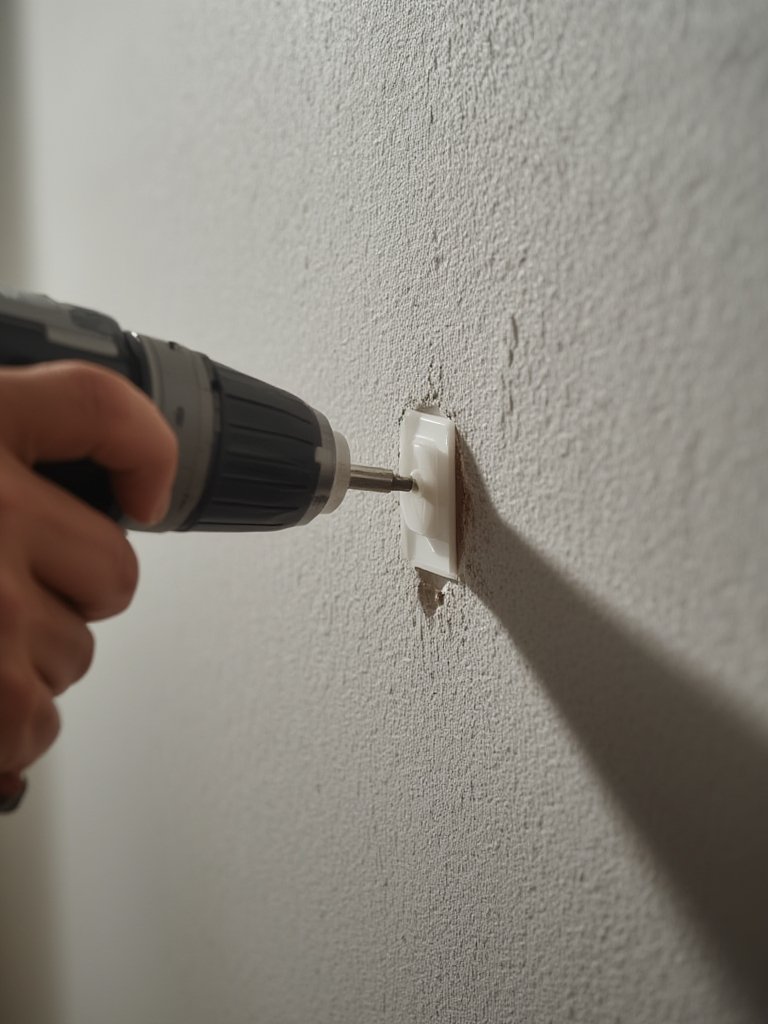
Wondering about which tool to use? Most plastic anchors are best installed with a hand screwdriver. Exceptions: Some brands now design torque-optimized drivers for precise installation—see our take on power drills, but avoid using these in high-speed mode with plastic.
Installers with pets and ongoing wall cleaning needs should consider interior dust: plastic anchors don’t require big holes, so less mess—a bonus if you use a self emptying robot vacuum for pet hair after each job.
Advanced Analysis & Common Pitfalls
Thousands of DIYers choose plastic drywall anchors for their simplicity, but real-world issues often lead to failure. Let’s break down the challenges and how each anchor type performs:
| Anchor Type | Load Capacity (½-inch drywall) | Typical Usage | Drawbacks |
|---|---|---|---|
| Lightweight Plastic | 10-15 lbs | Pictures, hooks, light racks | Prone to breakage when overtightened or used with power drills |
| Plastic Mini Toggler | Up to 65 lbs | Hangers, larger frames, mirrors | Still not suitable for heavy shelving; fails with power tool install |
| E-Z Ancor Hybrid | Up to 50 lbs | Medium fixtures, curtain rods | Reusable only if not overtightened. Risk of tip breakage |
| Metal/Toggle Bolt | 200+ lbs | Floating shelves, TVs | Requires large holes, permanent install |
Common installation mistakes:
- Using power drills with plastic anchors not designed for them causes anchor points to snap, collapse, or spin loose.
- Overtightening strips the anchor from the drywall; it also reduces the anchor’s ability to hold on if you remove the screw.
- Ignoring anchor rating: Lightweight plastic anchors aren’t meant for anything over 10-15 lbs. Stretching limits leads to anchor pullout and wall damage.
- Wrong anchor for wall type: Not all plastic anchors are suitable for lath-and-plaster or double-layer drywall—failure is likely unless you select wall-specific hardware.
- Poor anchor fit—especially in old or brittle drywall—is a leading complaint. If in doubt, size up the anchor or switch to a sturdy hybrid or metal alternative.
Brand recommendations in 2024 include EZ Ancor for hybrid installs, CONFAST for all-purpose plastic, and Rawlplug for eco-friendly/recycled options. Costs remain extremely competitive, driving their dominance for lightweight DIY tasks (see market data source).
Improper installs result in stripped holes, broken anchor tips, and even collapsed shelving. If you want a product roundup for these situations, check our top product picks and recommendations for home improvement gear—all based on real usage.
If you’re unsure where to get quality anchors or have unique needs, see our guide to smarter shopping at Home Depot. For eco-friendly alternatives (like Rawlplug) you’ll also want to keep an eye on recycled plastics and packaging trends.
Conclusion
Plastic drywall anchors offer a great solution for light and medium-duty wall mounting—if you respect their limitations. Always opt for hand tools, avoid over-tightening, and verify load capacities. By understanding how to install plastic drywall anchors correctly, you’ll get a safe, professional-looking result while saving your walls from unnecessary damage. Ready to tackle your next project? Try these steps and let us know your results in the comments.
Looking for even more actionable project ideas or product guides? Browse our top product reviews or get organized for your next room makeover with our organic modern kitchen actionable steps walkthrough!
FAQs
What is the maximum weight a plastic drywall anchor can support?
Most standard plastic drywall anchors support up to 10-15 pounds in ½-inch drywall. Advanced mini toggler-style plastic anchors can support up to 65 pounds, but never exceed one-quarter of the rated capacity for safety (see source).
Can I use power tools to install plastic drywall anchors?
You should avoid using power drills for standard plastic anchors, as excessive torque can break the anchor or strip the drywall. Hand screwdrivers are preferred unless the anchor is rated for tool use.
What are the most common reasons plastic drywall anchors fail?
Failure is usually due to over-tightening, using anchors in walls that are too brittle or thin, exceeding the weight rating, or improper hole sizing. Using the wrong anchor for wall type can also cause problems—see our comparison above for guidance.
Are plastic drywall anchors reusable?
Most are not intended to be reused, especially if the anchor body spins or backs out when you remove the screw. Hybrids and togglers may sometimes be reused, but holding strength drops. For reusability, look for specialized anchors and avoid overtightening during first installation.
Where can I buy eco-friendly or recycled plastic anchors?
New launches like Rawlplug (made with 45% recycled material) are available at major retailers and online. For sustainable options, review the manufacturer’s packaging or product details before purchase.