

heavy duty shelf brackets are the unsung heroes when you need stable, safe, and efficient support for shelving in garages, warehouses, workshops, or even demanding home projects. If you’re serious about maximizing vertical space, safely storing heavy items, or building commercial-quality shelving, get familiar with heavy duty shelf bracket fundamentals.
Key Takeaways
- The heavy duty shelf bracket market is expanding fast, with a focus on structural strength, reliability, and safety for commercial and DIY use (source).
- Picking the right bracket means understanding load capacity, material type, real-world compatibility, and the unique installation needs of your space.
- Common gaps in buyer guidance: lack of reliable pricing data, verified user pain points, and installation troubleshooting from real-world users and pros.
- The Core Concept: What Are Heavy Duty Shelf Brackets and Why Care?
- Step-by-Step Guide: Selecting and Installing Heavy Duty Shelf Brackets
- Advanced Analysis & Common Pitfalls
- Conclusion
- FAQ
The Core Concept: What Are Heavy Duty Shelf Brackets and Why Care?
Heavy duty shelf brackets are engineered supports designed to hold substantial loads—far above what typical wall-mounted brackets can manage. These essentials are widely used in industrial settings, but they’re valuable for robust home or commercial projects where safety and long-term strength matter.
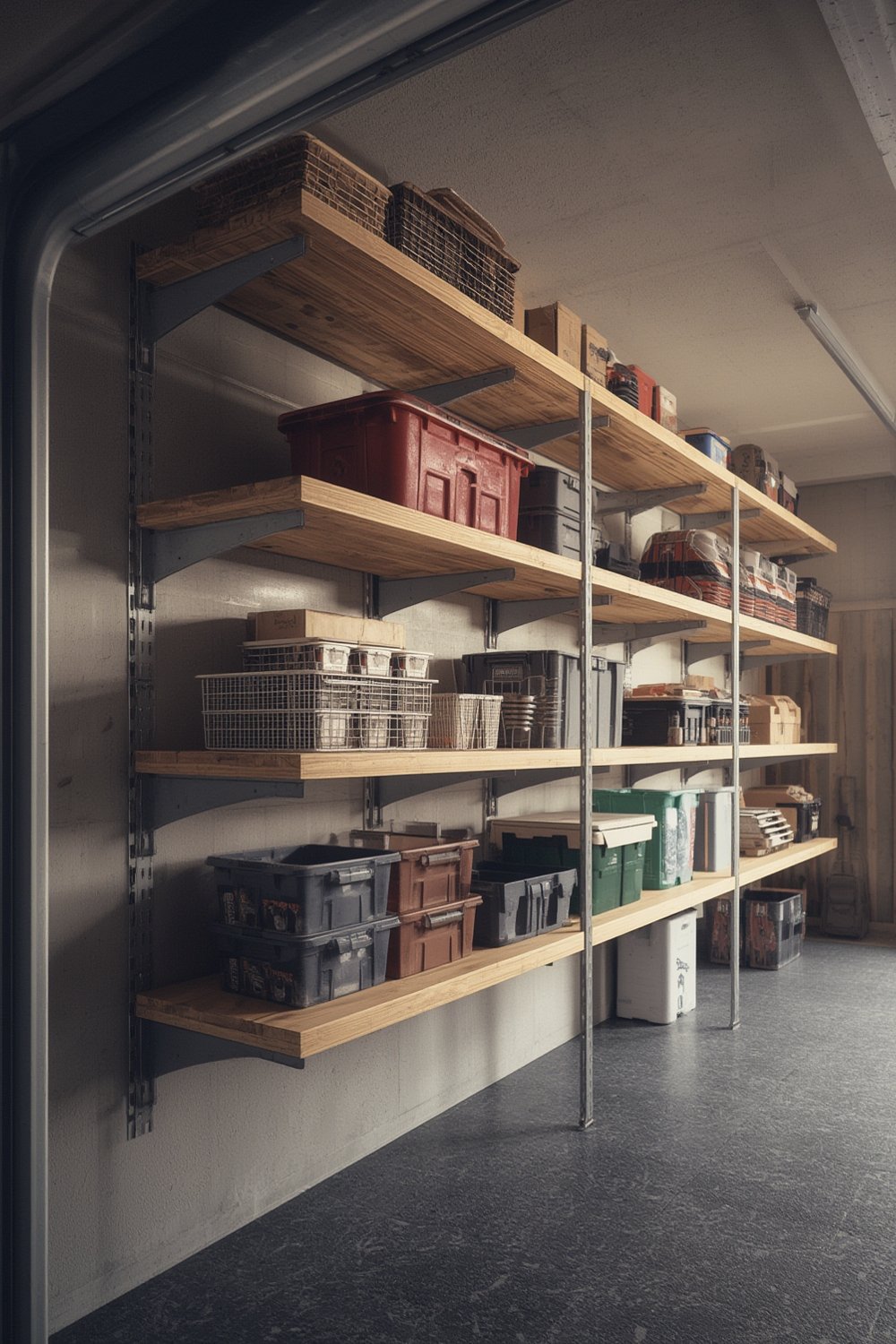
With the market for wall-mounted shelf brackets valued at $2.3 billion in 2024 and set to nearly double by 2033 (source), upgrades in design and material—especially for metal brackets—have become a priority. North America drives demand due to a strong DIY culture and active construction, while innovations focus on easier installation, higher safety standards, and corrosion resistance.
Why does this matter for your project? Cheap or underbuilt brackets can fail, leading to safety hazards, damaged property, and wasted time. Investing in genuine heavy duty shelf brackets ensures your shelves can handle everything from power tools to pantry bulk bins, making them a prime choice for any high-load storage solution.
Step-by-Step Guide: Selecting and Installing Heavy Duty Shelf Brackets
Choosing and mounting the right heavy duty shelf brackets is more involved than grabbing any metal L-bracket from the hardware aisle. Get it right, and your shelving will outlive your needs. Here’s a practical guide from selection through secure installation.
-
Calculate Your Load Requirements
- Think critically about maximum shelf load: Add the shelf weight itself plus the heaviest items you’ll store. Factor a safety margin—aim for 2x your expected load.
- Review bracket specs: Top brands support between 100 lbs up to 2,400 lbs per pair (e.g., Chemical Concepts’ 12” model: source). Double-check manufacturer documentation; some brackets are overkill for residential use, while others are meant only for display/utility shelving.
-
Select the Right Bracket Type & Size
- Material: Metal brackets dominate at 45% of the market and are best for real heavy-duty (source).
- Length: Your bracket arm should match or slightly exceed your shelf depth (e.g., for a 12” deep shelf, use a 12” or 13” bracket).
- Coating: Look for powder coating or galvanized finishes for corrosion resistance, especially in garages/basements.
-
Scout the Wall and Prep the Area
- Locate studs for wood-framed walls, or prepare suitable anchors for concrete/block installs. Never install heavy duty shelf brackets in drywall alone.
- Mark your desired shelf height, then use a level (see this guide) to ensure horizontal alignment.
-
Install Brackets Securely
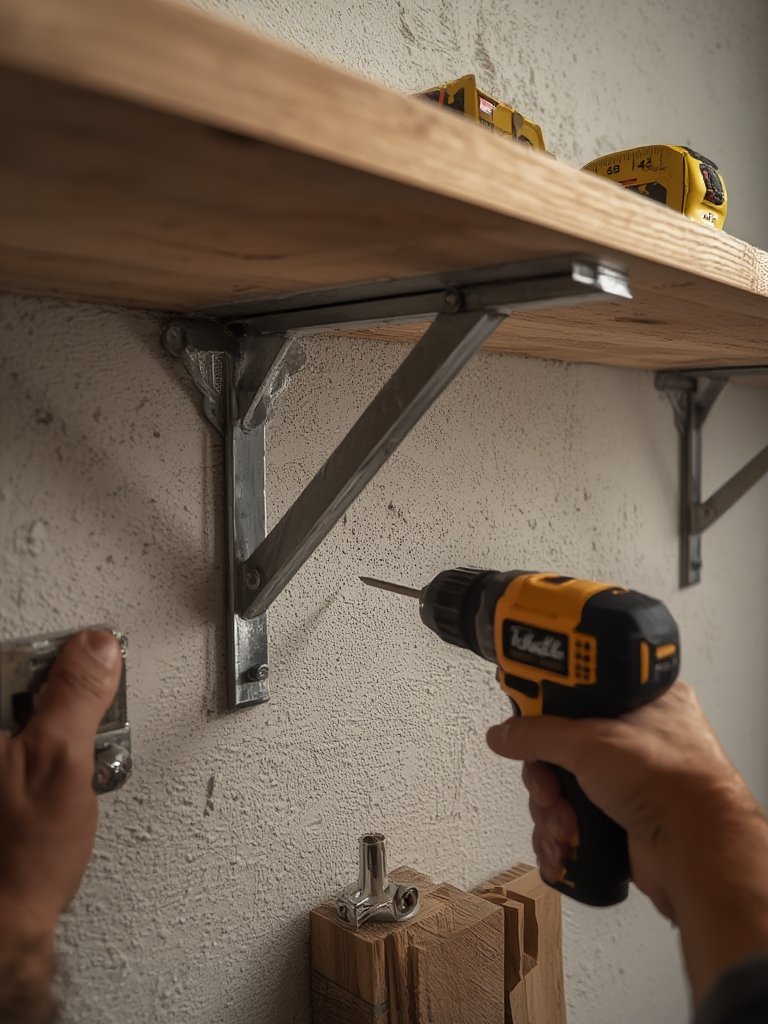
- Pre-drill holes to avoid splitting studs or cracking masonry.
- Fasten brackets with lag screws into wood, or select manufacturer-rated heavy duty wall anchors for brick/concrete.
- Space brackets every 16–24 inches, or tighter for ultra-heavy loads/sag-prone shelves (consider tips from product forums and advanced shelving guides).
-
Mount Shelf and Test
- Set the shelving material atop brackets and secure according to instructions.
- Gradually test with weight, starting with light loads and monitoring for sag, movement, or fastener pullout.
Want more DIY storage hacks? Explore organizing your kitchen pantry or leveling-up your garage storage with custom garage cabinets.
While product prices vary and reliable averages aren’t published for 2024, expect higher costs for brackets rated over 1,000 lbs, powder-coated finishes, and made-in-USA lines. Keep in mind that bargain brackets may lack engineering safety documentation or real world test data.
Advanced Analysis & Common Pitfalls
Even the best heavy duty shelf brackets can disappoint if selected or installed incorrectly. Below are major issues users face and how brands stack up on raw specs.
| Brand/Source | Weight Capacity (per pair) | Material | Dimensions | Notes |
|---|---|---|---|---|
| Chemical Concepts | 2,400 lbs (12″ arm); 1,800 lbs (18″ arm) | Engineered heavy-duty (metal implied) | Adjustable horizontal arms | High-strength industrial |
| Etsy Industrial Steel | 100 lbs | ¼” x 1.5” steel | 8″ example (shelf matched); wall side 5″ | Lower capacity, basic industrial |
| Market General | Substantial loads (not quantified) | Metal (dominant) | Not specified | Warehouse/production focus |
- No published pricing: There is no up-to-date, reliable pricing available for the heaviest-duty shelf brackets, making budgeting tricky.
- Missing authentic user feedback: Despite a large install base, public forums and product listings lack verified reviews on major pain points like sagging, installation confusion, or compatibility with complex wall types.
- Poor installation guides: Many manufacturer instructions skip real-world issues like stud spacing mismatches, dealing with old walls, or compensating for slight bracket misalignments.
- Over/under-purchasing: Picking brackets with much higher or lower load ratings than needed can lead to wasted money or dangerous installs.
If you’re looking for seamless product recommendations for garage, kitchen, or home office organization, check out our product picks guide.

Conclusion
Strong, reliable storage depends on the details—and getting heavy duty shelf brackets right will future-proof your shelving against real-world use and occasional mistakes. While public pain points, price transparency, and detailed brand comparisons remain rare, prioritizing manufacturer specs, authentic installation, and safety margins is the smart play. Plan your project around these principles, and your shelves will hold up for years.
Ready to transform your storage with heavy duty shelf brackets? Map out your shelving specs and shop for brackets that prove their capacity with clear documentation and strong reviews. For even more actionable DIY organization and tool insight, browse our guides for cordless drills for home use, the best drawer organizers, or get inspired with trending kitchen upgrades.
FAQ
What defines a heavy duty shelf bracket?
Heavy duty shelf brackets are engineered, usually metal, supports rated to hold much higher loads than medium or light duty options. Their capacity ranges from 100 lbs per pair up to over 2,000 lbs for industrial versions.
How do I calculate the correct bracket size for my shelves?
Choose a bracket arm length that matches your shelf depth and select a load rating that safely exceeds the combined shelf and maximum stored weight (add a safety margin, usually 2x your expected total load).
Can heavy duty brackets be installed in drywall?
No. For true heavy loads, brackets must be fastened directly to wall studs (wood framing) or anchored to concrete or masonry. Installing heavy duty shelf brackets in drywall alone is unsafe.
What materials are best for heavy duty shelf brackets?
Metal is the leading choice, preferred for strength and longevity (steel or alloyed steel, often powder coated or galvanized for corrosion resistance). Wood, plastic, and composites are rare for genuine heavy duty use.
Why is there so little pricing and real-world pain point information available?
The shelf bracket market is flooded with generic listings and sparse detailed reviews, making price comparisons and technical troubleshooting hard to find. Until more brands prioritize transparency, buyers should rely on detailed spec sheets and direct manufacturer documentation.