

Velcro picture hanging strips let you hang art, photos, and decor on your walls without making holes. But how reliable are they really, and what should you know before skipping the hammer and nails?
Key Takeaways
- Velcro picture hanging strips offer nail-free wall mounting but have limitations with certain surfaces, weight, and long-term holding power.
- Correct prep and careful matching of strip type to frame weight are critical for success and avoiding safety mishaps.
- Failures can happen—especially with warped frames, plastic trims, or humid environments—so consider your use case honestly.
- What Are Velcro Picture Hanging Strips and Why Use Them?
- How to Use Velcro Picture Hanging Strips Perfectly
- Real-World Problems and Expert Analysis
- Conclusion
- Frequently Asked Questions
What Are Velcro Picture Hanging Strips and Why Use Them?
Velcro picture hanging strips allow you to mount items on your wall without nails or hooks. They use strong double-sided adhesive pads paired with interlocking strips, making it possible to hang and remove frames without visible damage or leftover holes. They’re especially attractive for renters, DIYers, and anyone worried about altering their walls.

Some popular brands—like 3M Command Strips—are often used synonymously, but always make sure you’re using real picture hanging strips and not lightweight poster variants. Quality strips stick well to clean, cured, painted drywall and certain finished woods, but do not perform equally on all surfaces or conditions.
A major draw: you can re-level or move your pictures easily, since the strips let you pull your art off the wall and adjust as needed. For seasonal, frequently swapped, or gallery-style walls, this flexibility is a big perk. You’ll also avoid the need to patch nail holes when you redecorate.
Still, their simplicity can be misleading. Hanging heavy or irreplaceable items? Hanging in steamy bathrooms? That’s where many users run into trouble (see Advanced Analysis below for crucial pitfalls).
For other innovative ways to upgrade your space without hassle, check out our permanent outdoor lights and organic modern kitchen guides.
How to Use Velcro Picture Hanging Strips Perfectly
If you want strong results, follow these steps closely. Rushing prep or skipping instructions is the biggest reason these strips fail and art tumbles off the wall.
-
Prep Your Wall and Frame:
- Ensure paint is fully cured (at least 7 days old if freshly painted).
- Clean wall and frame contact strips with rubbing alcohol—don’t use household cleaners, which leave residue.
- Wipe thoroughly and allow to dry.
-
Select and Pair Strips Correctly:
- Choose the right rated strip for your frame’s weight—check packaging.
- If your frame is big (over 16×24 inches), use more strips spaced evenly for extra strength.
- Pair strips by pressing together until they “snap.”
-
Apply Strips:
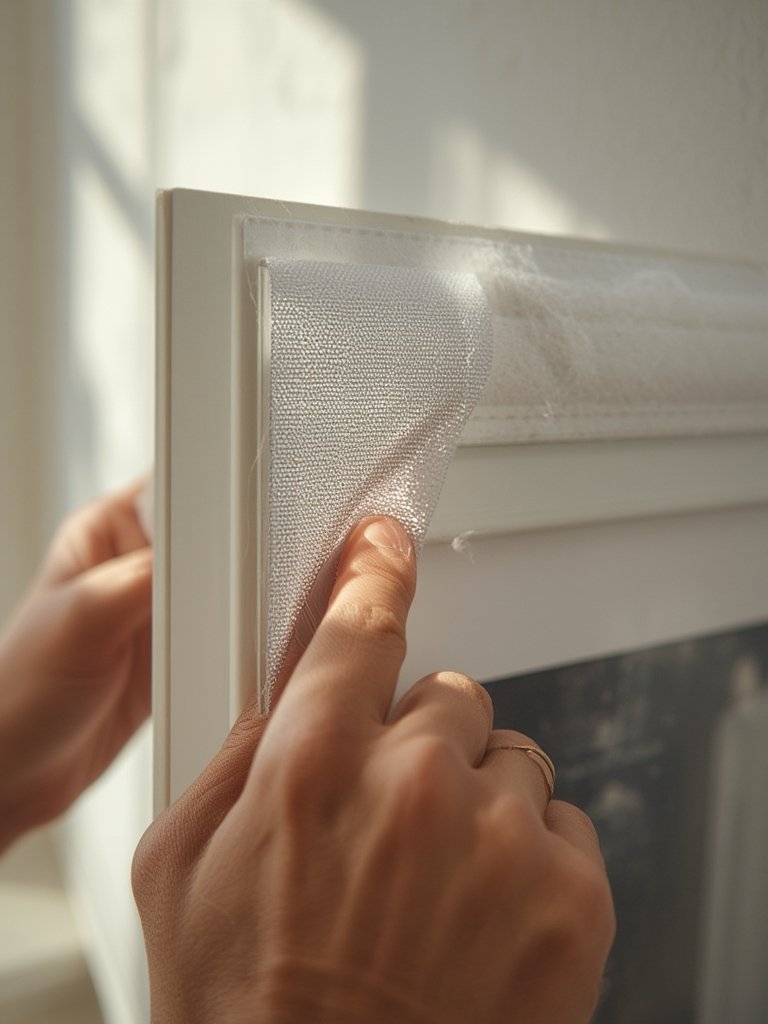
- Remove liner from one side and press the strip firmly to the back of the frame for 30 seconds.
- Repeat for additional paired strips.
- Remove the wall-side liners, position your frame, and press firmly against the wall for another 30 seconds.
-
Wait—Don’t Rush Hanging:
- Remove the frame from the wall straight up after a minute, leaving the wall strips in place.
- Let the wall strips cure for at least 1 hour (overnight for best bond).
- Reattach frame by pressing onto the strips.
-
Monitor for the First 48 Hours:
- Check every 12 hours for slippage or partial bond failures—adjust if necessary.
- Avoid hanging over beds, electronics, or valuables during this period.
For even more time-saving hacks for your home, see our curated top product picks and recommendations or learn about game-changing cleaning gear like the self emptying robot vacuum for pet hair.
Real-World Problems and Expert Analysis
Velcro picture hanging strips are user-friendly—but not error-proof. Here’s what real users and experienced pros encounter most often:
- Surface Mismatch: The strips need dry, properly cured, non-greasy painted walls. They do NOT stick to brick, tile, wallpaper, textured paint, soft frame backs, or slick plastic trim. Failures are guaranteed on oily, dusty, or damp surfaces (source).
- Frame Issues: Warped, bowed, or stepped-back frames pull away over time even if the wall bond is strong—this causes gradual separation and potential crashes. If the strip base isn’t flat and wide, expect failure.
- Weight Ratings Ignored: An overloaded strip WILL give out, often without warning after months or years. Heavier frames need more, and matching rated strips per pound is non-negotiable (see demo).
- Environmental Factors: Humidity (bathroom walls), steamy kitchens, and direct sun degrade adhesive over time. Bond can weaken or strips can shift/slide down the wall.
- Plastic/Unconventional Surfaces: Adhesion to plastic or waxy surfaces often fails. Experienced users suggest boosting bond with a duct tape base, but be realistic about long-term expectations (source).
- Long-Term Reliability: Even with perfect install, strips sometimes fail “spontaneously” after 5–8 years. This is a hidden risk for glass-fronted or irreplaceable art/archetypal decor (see user stories).
- Paint peeling risk exists if paint wasn’t fully cured at install or if you rip strips off too quickly during removal (source).
| Scenario | Success With Velcro Strips? | Risks or Issues |
|---|---|---|
| Painted drywall, clean, cured | Yes (up to 8 years in tests) | Possible frame separation, aging adhesive |
| Wallpaper or soft finish frames | No | Immediate detachment, surface tearing |
| Plastic trim or waxy backs | Rarely | Adhesive fails; workaround: duct tape base |
| Humid bathroom or kitchen | No | Moisture weakens adhesive quickly |
| Heavy/large frame (>16×24″) | Only if well-matched + enough strips | High risk if underestimated or patched over time |
| Recently painted wall (<7 days cured) | No | Paint peeling, poor bond |
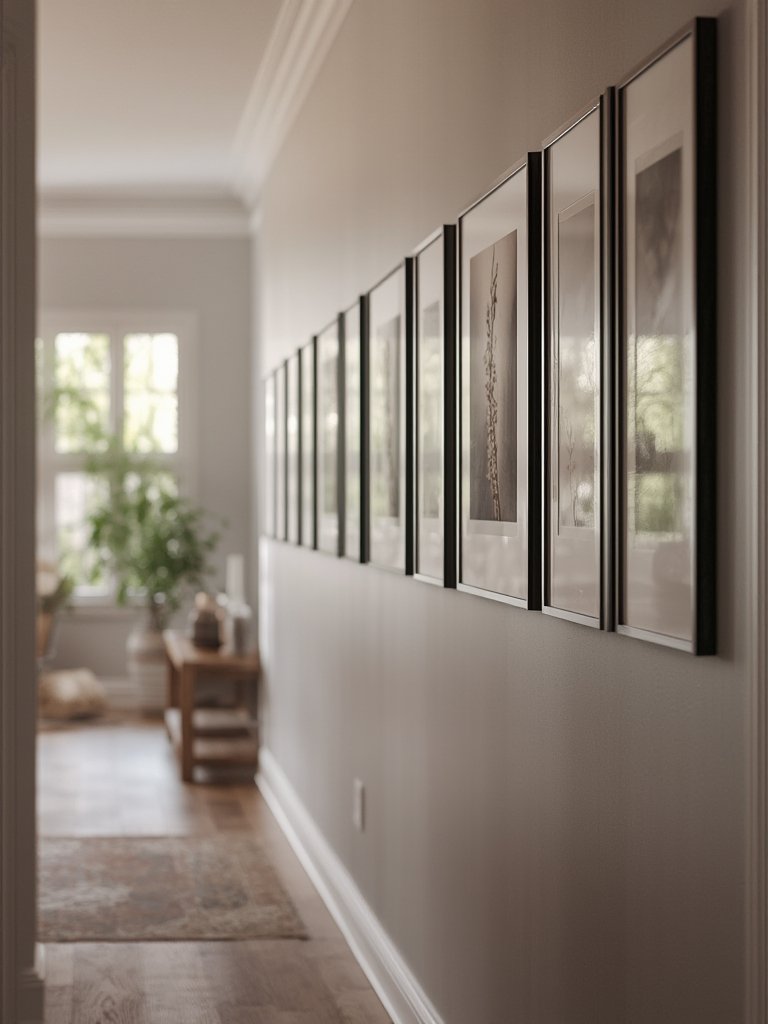
Best practice: Avoid hanging valuable or irreplaceable items directly above beds, sofas, or where falls could harm people/pets. For organizing other tricky spaces, see our guides on garage cabinets and how to organize your kitchen pantry.
Conclusion
Velcro picture hanging strips are a clever, versatile option for mounting wall art and light decor—when used correctly and within their limits. But they’re not magic, and user experiences show the importance of matching weight, prepping surfaces, and being realistic about where you hang and what you trust them with. If you follow the tips above, your velcro picture hanging strips should hold strong and keep your walls hole-free. Want more actionable home improvement tips? Browse our latest product buying guides.
Try these best practices on your next decor upgrade—and share your results, or questions, with us below!
Frequently Asked Questions
Can Velcro picture hanging strips be used on wallpaper or brick?
No, they’re not compatible with wallpaper, brick, tile, or textured surfaces. Use on smooth, cured, clean painted drywall for best results.
What causes most Velcro picture hanging strips to fail?
The leading causes: overloaded strips, poorly prepped surfaces (not cleaned with alcohol), warped/stepped-back frames, and improper application. High humidity can also degrade adhesive over time.
How much weight can Velcro strips really hold?
Always rely on the manufacturer’s specific weight ratings. Small strips are rated for about 0.5 pounds; medium/larger up to 4-5 pounds per set when used correctly. Weigh your frame first—never estimate.
Will the strips damage paint when removed?
Paint may peel if not fully cured or if you pull strips away too quickly. Follow removal instructions (pull gently straight down, not outwards) to minimize any risk.
Can I reuse Velcro picture hanging strips?
No. Once removed, the adhesive is not reusable. Always use fresh strips for safe, strong mounting.