

How much electricity does a space heater use per month? If you’ve ever checked your energy bill after a chilly month, you know the answer isn’t always simple or pretty. Understanding monthly space heater usage and cost can save you money—and major surprises—before the next cold snap hits.
Key Takeaways
- Running a 1500W space heater eight hours a day can use up to 360 kWh per month, adding $50-$65 on an average US electric bill.
- Heater type, room size, insulation, and run time all dramatically change your monthly electricity use—oversized units or poor insulation spike costs fast.
- Most buyers overlook quick savings from smart temperature settings, right-sized units, and picking ceramic or oil-filled heaters for better efficiency.
- How Much Electricity Does a Space Heater Use Per Month? The Core Concept
- How to Calculate and Reduce Your Space Heater’s Monthly Usage: Step-by-Step Guide
- Advanced Analysis & Common Pitfalls with Space Heater Electricity Usage
- Conclusion
- FAQ
How Much Electricity Does a Space Heater Use Per Month? The Core Concept
Space heater electricity usage is straightforward: it’s all about the heater’s wattage, how long it runs, and your home’s insulation. Most typical space heaters in 2024 use between 750 and 1500 watts. If you run a 1500W space heater for eight hours a day for one month, expect it to consume about 360 kWh. At the national average energy rate (~$0.16 to $0.17 per kWh), that’s roughly $58 monthly.
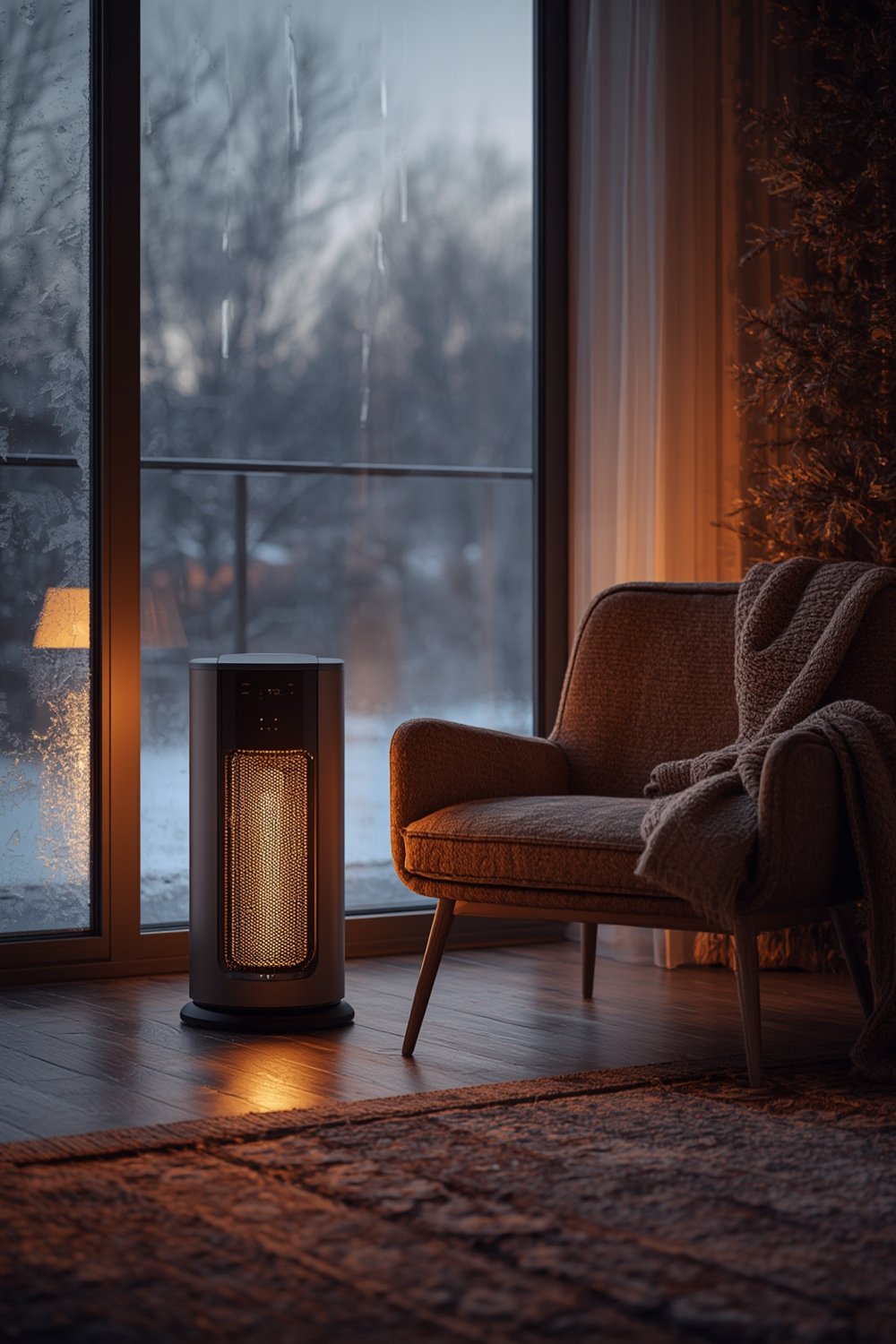
The exact cost and usage depend on:
- Heater type: Oil-filled, ceramic, infrared, and personal models all have different wattages and heating efficiency.
- Run time: Operating your heater for fewer hours per day can immediately halve your monthly electricity use—switching from 8 hours to 4 hours is a real game changer.
- Room size & insulation: Using too large a heater or heating a poorly insulated room ramps up both consumption and your bills.
In essence, space heaters can be a quick comfort but may become surprisingly expensive if used without a strategy.
How to Calculate and Reduce Your Space Heater’s Monthly Usage: Step-by-Step Guide
If you want to stay warm without big surprises on your energy bill, use this practical approach:
- Find your heater’s wattage. Most are labeled 750, 1000, or 1500 watts. Unsure? Check the rating sticker or manual.
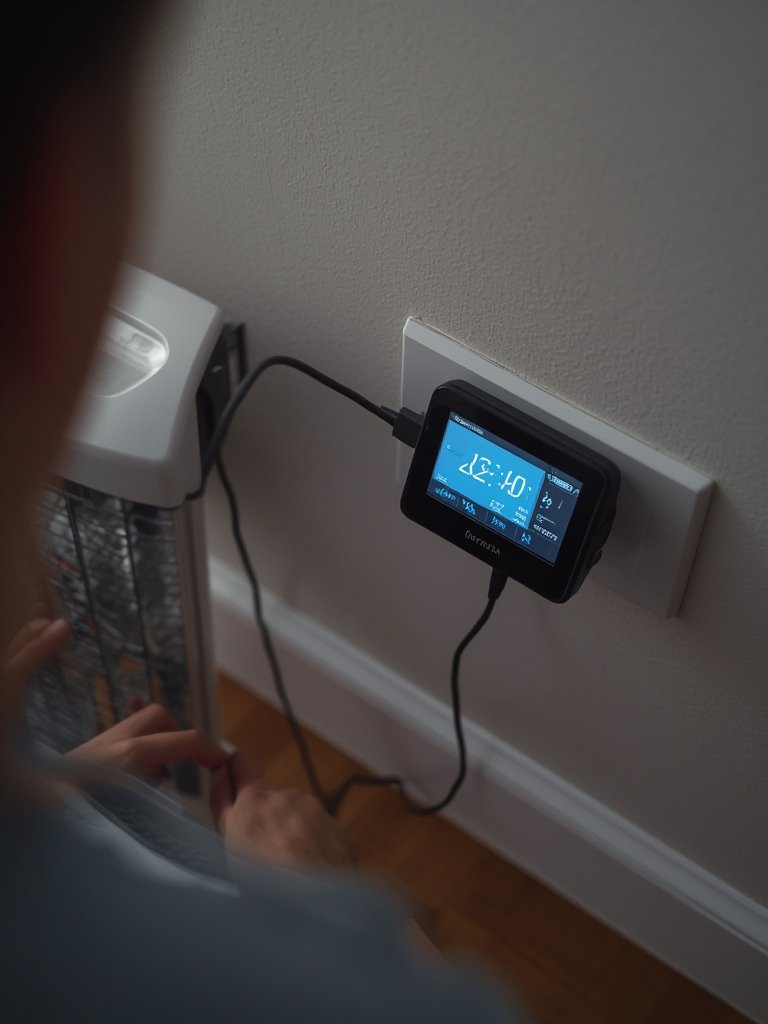
- Estimate average daily run time. Track how many hours your heater actually runs per day. (Tip: Smart plugs with energy monitoring help a lot!)
-
Multiply to get monthly usage.
- Formula: (Watts ÷ 1000) × Hours per day × 30 = kWh/month
- Example: 1,500W heater used 8 hours/day → (1500 ÷ 1000) × 8 × 30 = 360 kWh/month
-
Estimate cost.
- Formula: kWh per month × your electric rate (from your utility bill)
- Example: 360 kWh × $0.16 = $57.60/month
-
Cut usage with these efficiency moves:
- Set heater to low or eco mode if available
- Only heat occupied rooms and never leave the heater running in empty rooms.
- Use a timer or smart plug so the heater never runs longer than needed. (See how smart thermostats boost heating control.)
- Seal up drafts and insulate windows for faster, cheaper heating. Even small improvements, like adding weather stripping to doors, can slash run times by 20% or more!
Once you know these numbers, compare costs against other heating options like central HVAC or baseboard. Space heaters are generally more expensive per BTU, often making them best for spot heating small spaces—not as a full-home heating solution. For product guides and recommendations that actually help lower your total home energy bill, check out our top product picks and recommendations.
Advanced Analysis & Common Pitfalls with Space Heater Electricity Usage
Many people get surprised by high bills after using a space heater for a month or all winter. Here’s where things usually go wrong:
- Underestimating total run time. A space heater left on all day (even at 1,500W) quickly racks up over $60/month in extra electricity costs [source].
- Ignoring room size and insulation. Heating a drafty or large space with a small heater only makes the heater run constantly—using more electricity than expected. Always match wattage to room size and improve insulation for efficiency. (For DIY insulation, see advanced insulation tips.)
- Buying the wrong heater type. Infrared and ceramic heaters often use less energy because they heat quickly/directly. Oil-filled radiators keep warming a room after switching off. Standard fan-forced and personal heaters are often less efficient for ongoing use [source].
- Skipping runtime/temperature controls. Using a manual heater with no timer or thermostat? It could run 2x longer than needed. Smart plugs, timers, and thermostat heaters mean less wasted power.
- Comparing costs unfairly to central systems. Per BTU, space heaters are much more expensive than a gas furnace or even baseboard heaters, making them best for targeted, short-term heating, not whole-home warmth. According to Consumer Reports, most people overestimate savings from “zone heating.”
| Heater Wattage | Hours per Day | Monthly kWh | Estimated Monthly Cost (@ $0.16/kWh) | Recommended Room Size |
|---|---|---|---|---|
| 750W | 8 | 180 | $29 | ≤150 sq ft |
| 1000W | 8 | 240 | $38 | 150–200 sq ft |
| 1500W | 8 | 360 | $58 | 180–300 sq ft |
For creative ways to manage pet hair and other home comfort concerns, browse our best self-emptying robot vacuum for pet hair guide. And if you’re considering more effective lighting for warmth and ambiance in winter, our permanent outdoor lights guide dives deep into efficiency improvements.
Conclusion
Space heaters are convenient for spot heating small, well-insulated rooms, but the question of how much electricity does a space heater use per month shows just how much your bill can climb if you’re not careful. A 1500W heater can use up to 360 kWh (about $60) each month when used eight hours daily—more if you oversize or heat uninsulated spaces.
Always choose the right type and size, improve insulation, use timers or thermostats, and compare your real-world costs with other heating options before committing to a space heater all season. For more home improvement and energy-saving tips, check out our top product reviews and explore the organic modern kitchen guide for added comfort upgrades.
Ready for next steps? Take action by measuring your space heater’s real usage this month and start saving—your wallet will thank you!
FAQ
Do space heaters use a lot of electricity compared to central heating?
For spot heating, a space heater can be more efficient. But if you try to heat a whole house with space heaters, electricity costs usually skyrocket compared to gas or heat pump systems.
What’s the cheapest type of electric heater to run each month?
Ceramic, oil-filled, and infrared heaters with thermostats tend to have lower monthly bills, since they heat efficiently and hold warmth longer. Halogen heaters are also cheap but best for very small spaces and short bursts.
How do I lower my space heater’s monthly electricity usage?
Use timers, smart plugs, set temperature limits, insulate and seal your room, and buy the right size heater. Don’t run the heater longer than needed and avoid oversized units.
Are there any hidden or surprise costs to using a space heater all winter?
Yes. Many users report bills over $250 for a single heater running 8 hours a day for five months. High settings, poor insulation, and constant operation can easily double or triple expected electricity costs.
How big a room will a 1500W space heater heat efficiently?
Usually 150 to 300 square feet in a well-insulated space. Anything larger will likely need multiple units or a central system to stay comfortable without overworking the heater.