

dc fix contact paper is one of the most popular solutions for budget-friendly surface upgrades, but success or frustration comes down to a few critical details. If you’re thinking about updating countertops or furniture, understanding how dc-fix stands apart, what can go wrong, and how to get results that actually last will save you time and money.
Key Takeaways
- dc fix contact paper is noticeably thicker and more forgiving than most generic adhesive films, making it ideal for countertop upgrades and high-traffic surfaces.
- Common pitfalls include bubbles, seam separation, and tricky edge or curve installation—most are avoidable with the right method and prep.
- With practical prep and maintenance, dc-fix can last 18+ months in real kitchens, but you must wait before heavy use and seal seams for best longevity.
- What Makes dc fix Contact Paper Different?
- Step-by-Step Guide: Flawless dc-fix Contact Paper Application
- Advanced Analysis & Common Pitfalls (Must-Know)
- Conclusion
- Frequently Asked Questions
What Makes dc fix Contact Paper Different?
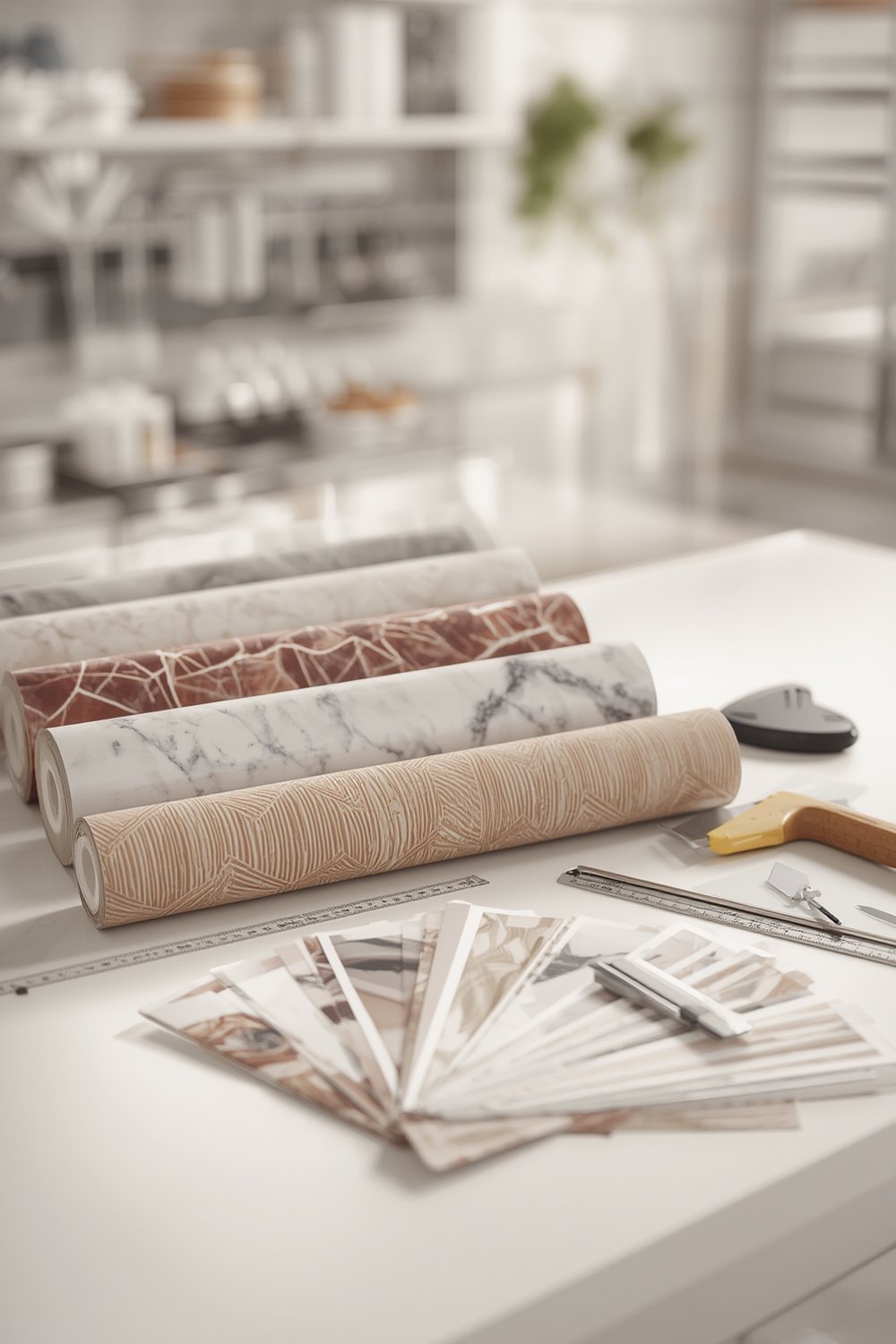
dc-fix contact paper is a self-adhesive vinyl film trusted for DIY surface makeovers, especially for countertops, bathroom vanities, cabinet faces, and even appliances. Its key strength is durability—this isn’t flimsy shelf liner. dc-fix is noticeably thicker and heavier than most competitors, with a finish that hides underlying surface flaws and mimics real stone or wood more convincingly.
Compared to big-box generics or dollar store brands, dc-fix shines because:
- Thickness and Opacity: No color bleed or show-through, even over dark counters or chipped laminate.
- Forgiving Repositioning: You can peel and realign sections without instantly ruining adhesion.
- Long-Term Wear Resistance: User reports show 18+ months of real-world performance, outlasting most thin alternatives—even in high-use kitchens.
While market data is limited and most reviews focus on individual experiences, it’s clear from user feedback that dc-fix is “heavy vinyl” that stands up to more abuse than standard contact paper. For renters, DIYers, and budget renovators, it’s become the first recommendation for countertop upgrades.
For more on the differences, see these user reviews at The Nifty Nester and My Wee Abode.
Step-by-Step Guide: Flawless dc-fix Contact Paper Application
Installing dc fix contact paper properly is the difference between a transformation that wows and a project that peels, bubbles, or shows seams in weeks. Here’s a no-nonsense roadmap for countertop or surface upgrades:
-
Prep the surface:
- Clean thoroughly with soap or degreaser. Remove any old caulk or debris.
- Let surfaces dry completely. Tiny particles can cause permanent bumps.
-
Measure and cut generously:
- You’ll need a few extra inches length/width for wrapping edges and corrections. Don’t skimp.
- Lay out pieces and match patterns if you’re doing large sections like countertops or cabinets.
-
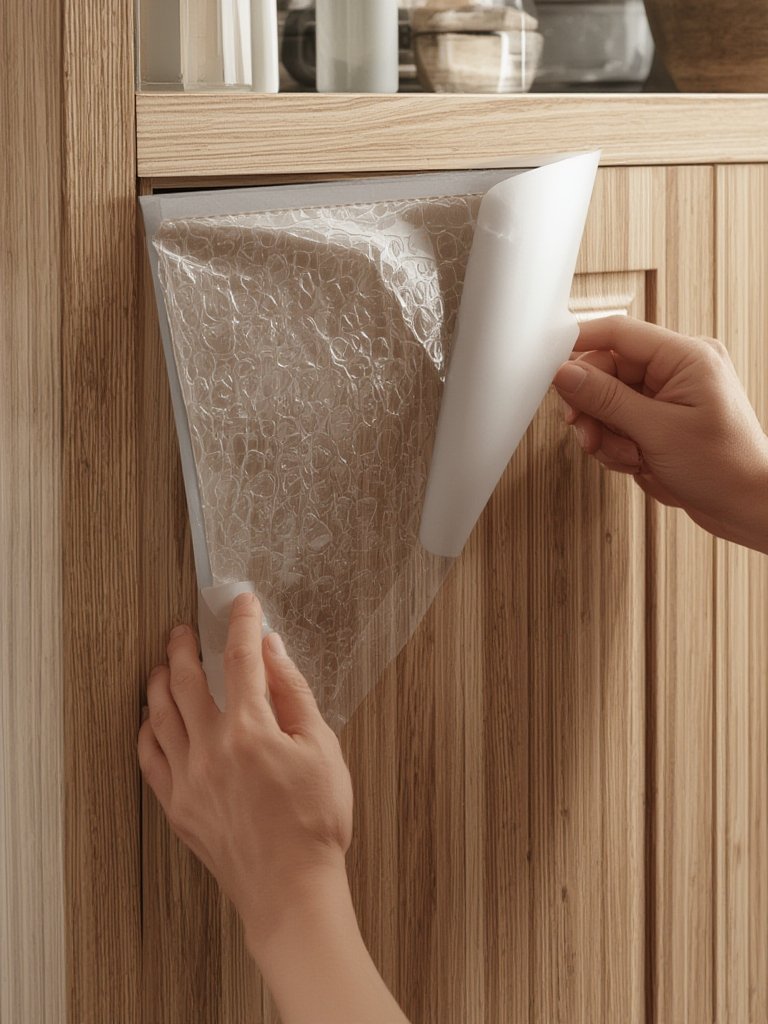
Work in sections, peel backing slowly:
- Start at one edge and never peel the entire backing at once. This prevents early adhesion and misalignment.
- Use a dry microfiber cloth or plastic squeegee to press and smooth as you go—move in small increments.
-
Handle edges, curves, and sinks carefully:
- To wrap around sinks or curves, use small relief slits with a sharp utility knife.
- For inside corners and backsplashes, fold slowly to avoid wrinkles—don’t force one huge piece into shape.
- Secure tricky edges using a staple gun under the counter (hidden), especially on chipped or damaged laminate for longer hold [source].
-
Seal seams and wait before use:
- Use clear kitchen & bath caulk on seams, especially around sinks—prevents water damage and grime buildup.
- Do not put heavy appliances (like an Instant Pot) on new surfaces for at least 24 hours to ensure the best bond [source].
For more actionable DIY strategies, explore our in-depth organic modern kitchen guide or see curated top product picks for value-packed project tools.
Advanced Analysis & Common Pitfalls (Must-Know)
No adhesive upgrade is perfect, and even dc-fix has its quirks. Buyer reviews and user case studies highlight the following weak spots:
- Bubbles & Alignment: Rushing to lay large sections or stretching into tight corners almost guarantees permanent bubbles or puckering. User videos help, but solo application is tricky.
- Edge Wrapping Issues: Early mistakes with loose or imperfect edge wraps tend to persist—one user reported the same not-quite-tight corner for 18 months (it didn’t get worse, but remained visible).
- Seam Separation & Water Damage: Unsealed seams, especially around sinks and stoves, eventually separate, allowing grime or water underneath. Sealing with caulk and minimal heat gun use is critical.
- Damage from Early Heavy Use: Heavy objects can leave imprints if used before the adhesive fully bonds (needing 24 hours minimum).
- Removing & Replacing Sections: Overlapped areas and stuck seams require a sharp exact-o knife for clean removal—don’t just peel and hope for the best.
- Heat Gun Caution: Overusing a heat gun to stretch around corners can actually cause seams to lift. Experts advise never heat the same area more than 2-3 times [see user advice].
Here’s a quick technical and user comparison of dc fix contact paper versus common competitors:
| Feature | dc-fix Contact Paper | Generic/Dollar Store Brands |
|---|---|---|
| Material Thickness | Heavy vinyl (opaque, durable) | Thin plastic (see-through, prone to puncture) |
| Repositioning | Forgiving, can be adjusted during application | Often rips or loses adhesion if moved |
| Pattern Realism | High – especially marble and wood grains | Low; glossy or repetitive patterns |
| Edge Durability | Minor chips possible after 18+ months | Frequent edge degradation and peeling |
| Application Difficulty | Medium; easier with two people | Easy to wrinkle, bubbles form quickly |
| Average Cost (per project) | Similar to competitors, no major difference at Home Depot/Amazon (source) |
Similar or slightly less, but fails faster, requires more frequent replacement |
| Where to Use | Counters, vanities, curved or staple-able edges, backsplashes | Light shelves, low-use flat surfaces |

Surfaces dc-fix excels on include laminate counters, around sinks (with careful seams), cabinets, and even bathroom vanities. It’s not recommended for use on damaged laminate edges unless you can staple underneath, nor for frequent exposure to direct flames.
Want more on how this fits into full remodels? Check out tips from our home remodel company guide.
Curious about other time-saving upgrades? Explore the best self-emptying robot vacuums for pet hair and our complete list of kitchen backsplash ideas for modern spaces.
Conclusion
dc fix contact paper can genuinely deliver a big style upgrade with minimal spend and less risk than full renovations. Its thickness and realistic finishes are a true cut above, but the best results depend on careful prep, smart seam sealing, and respecting the 24-hour cure time. For renters, quick flips, or any surface needing a facelift, dc fix contact paper stands out for a reason—just give yourself grace for mistakes, and invest a little extra in prep and patience for a finish that lasts.
Ready to transform your space or gear up for a new project? Check out our recommended home and DIY product picks and browse more actionable guides to tackle your next update quickly and confidently.
Frequently Asked Questions
How long does dc-fix contact paper actually last on kitchen counters?
Real-world user reports show dc-fix contact paper can last 18 months or even longer on kitchen counters with only minor edge chips or seams separating if not sealed. Longevity depends on prep, seam sealing, and avoiding heavy objects too soon. For maximum durability, always seal sink seams with caulk.
Can dc-fix contact paper handle heat from stoves or hot pans?
dc-fix is more durable than thin contact paper, but direct contact with hot pans, pots, or constant high heat will damage it. Always use trivets or protectors; it’s fine near stoves if not directly exposed to open flames.
What should I do if bubbles form during installation?
If bubbles form, gently lift the section and realign if possible. For stubborn small bubbles, use a pin to pop and smooth out the air. Large bubbles often mean the starting position or smoothing method needs correction. Work slowly in small sections for best results.
How do I remove or replace damaged dc-fix contact paper sections?
For overlapped or stubborn seams, carefully use a sharp utility or exact-o knife to cut and lift only the damaged area. Avoid pulling or ripping, which can affect the adhesive and surrounding film. Fresh sections can be spliced in with minimal notice if patterns are aligned well.
Can I use dc-fix contact paper on bathroom counters or curved surfaces?
Yes—provided the surface is clean and dry, and you’re able to make small slits or relief cuts to help the paper wrap without puckering. Use caulk at seams and extra care smoothing edges for best moisture protection.