

Garage cabinets are no longer just an afterthought—they are leading the market for garage organization as homeowners transform garages from clutter zones into practical, multi-use spaces. Choosing, installing, and maintaining garage cabinets takes more than picking what looks good. This guide covers what matters in 2024, including common mistakes, technical specs, and how to maximize both storage and dollar value.
Key Takeaways
- Garage cabinets lead the global storage solutions market, making up over 40% of sales—and their modular variants are growing fastest.
- Common pain points are cost, installation complexity, and maintenance—not just picking the right look or size.
- Few competitor guides cover 2024-specific real prices, technical feature breakdowns, or realistic installation challenges—this guide fills those gaps.
- Garage Cabinets: The Core Concept
- Step-by-Step Guide: How to Choose & Use Garage Cabinets
- Advanced Analysis & Common Pitfalls
- Conclusion
- Frequently Asked Questions
Garage Cabinets: The Core Concept
Garage cabinets do more than hide clutter. They set the baseline for a higher-functioning, safer, and more valuable garage. In 2024, garages are extensions of the living space—used for gear, hobbies, and even mini workspaces. Cabinets have become a central category in the global garage organization market, now valued at over USD 26.97-29.7 billion, with garage cabinets claiming more than 40% market share. Modern cabinets range from Modular Steel, easy-to-move systems to premium custom installations. Materials span steel, heavy plastic, wood, and hybrid options, with each offering unique trade-offs for durability and aesthetics.
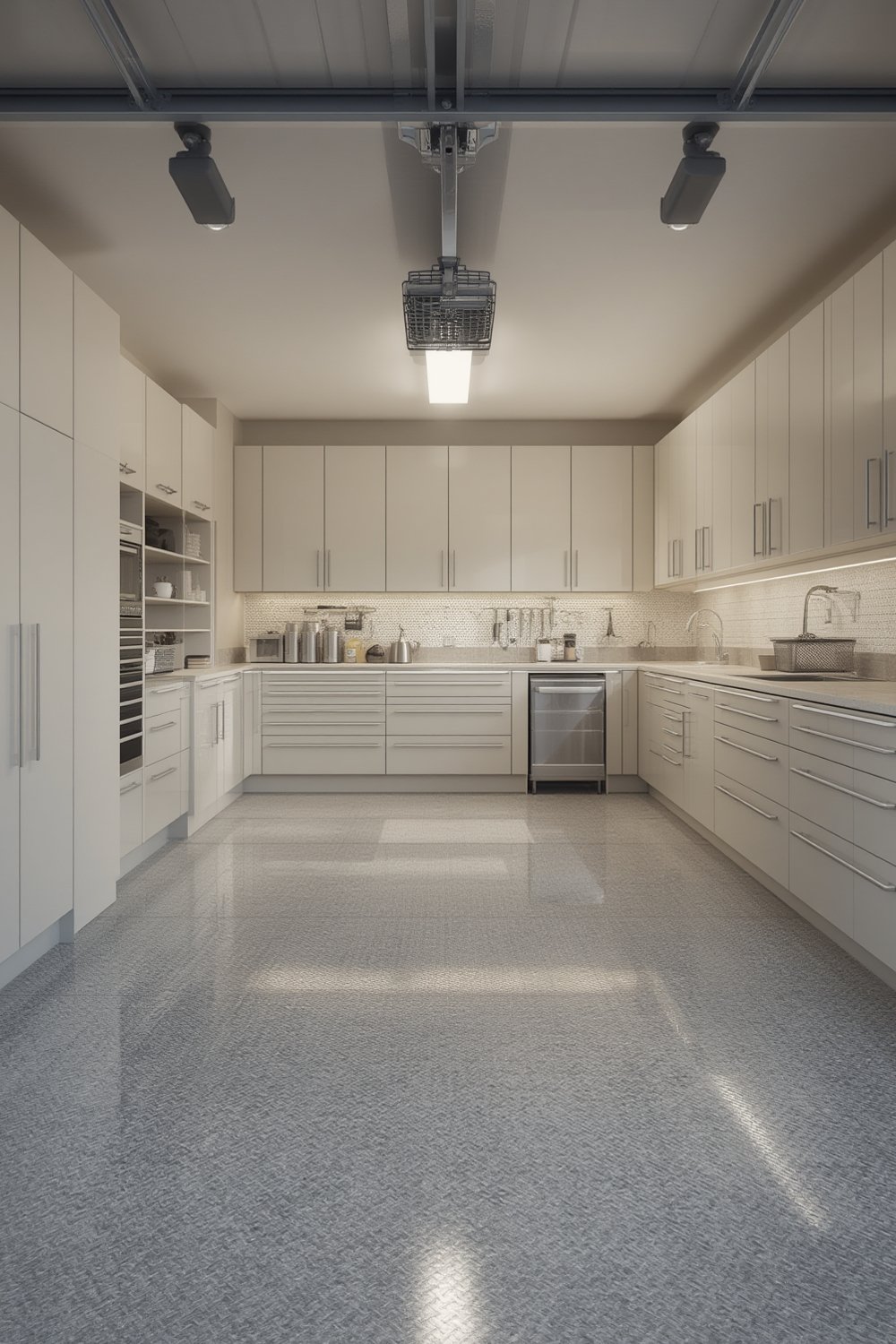
Why the surge? Households want order, easy access to everything (tools, pet supplies, sports gear), and a bump in home value. As garages switch from simple storage to active-use zones, the right cabinets can also improve insulation and even impact resale appeal.
Step-by-Step Guide: How to Choose & Use Garage Cabinets
- Assess Your Space
Measure all walls, ceiling heights, and door clearances. Mark where cars park and note outlets or obstacles. A detailed drawing or a simple phone scan helps avoid misfits and returns. - Set a Realistic Budget
Expect to pay more than big-box flyers suggest. Base-grade modular systems start near $300-$600 per cabinet; premium metal setups or custom builds reach $2,000-$6,000+ for a full wall. Factor in pro installation (usually $50-$120/hour) unless you are experienced. - Select Material & Finish
Steel and heavy-duty plastic cabinets resist dents, pests, and moisture. Solid wood looks upscale but can warp in damp climates. Choose powder coat finishes for rust resistance. Look for at least 100-150 lbs per shelf rating for heavy tools or gear. - Compare Configurations
Do you need tall cabinets for brooms or golf gear, shallow upper cabinets, or rolling base units? Mixing types maximizes flexibility, especially in tight garages. - DIY vs. Professional Install
Bolt modular cabinets to studs for safety. Use a spirit level for every installation. For custom or wall-mounted systems, consider hiring a pro—especially if your garage walls are old or uneven. - Accessory Planning
Add-ons like lockable doors, soft-close hinges, or built-in power strips can be worth the upgrade. - Maintenance & Upkeep
Clean surfaces with non-abrasive cleaners. Check all anchors and bolts annually for safety, especially if kids access the space.
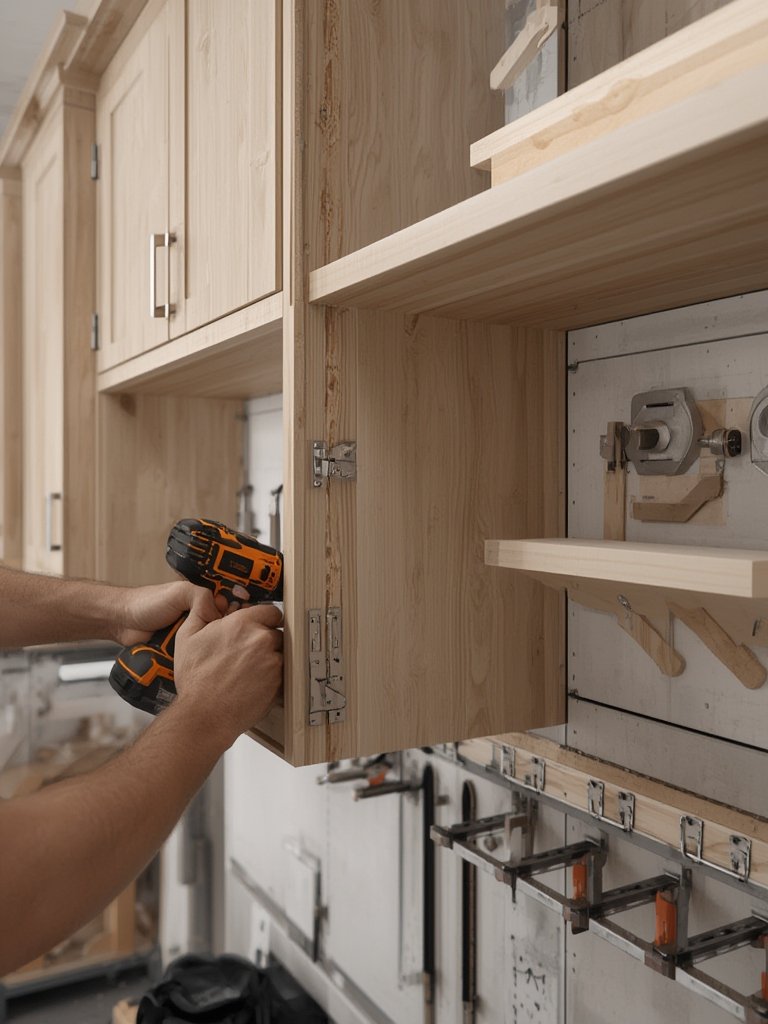
- Anchor cabinets to wall studs—never rely solely on drywall anchors, especially for metal units.
- Choose adjustable shelves for flexibility as your needs change.
- If you need inspiration on related products, check out our product buying guide for 2024.
- Want a clutter-free kitchen too? Read our kitchen pantry organizing tips for efficient storage in every room.
- Combine cabinets with hefty hi rise storage bins for oversized or seldom-used items.
Advanced Analysis & Common Pitfalls
The biggest downfall is assuming all garage cabinets are equal. Here’s where projects go sideways—and how to avoid wasted money or safety risks.
| Type | Estimated Price Range (2024) | Pros | Cons |
|---|---|---|---|
| Modular Steel | $400–$1,200/unit | Durable, high weight limits, reconfigurable | Heavy install, premium price, can corrode if scratched |
| DIY Composite/Plastic | $100–$400/unit | Affordable, easy assembly, rust-proof | Lower strength, less secure |
| Custom Wood/MDF | $1,500–$6,000+ per wall | Aesthetic, full customization, smooth finishes | Vulnerable to moisture, costly, can warp |
- Common Pitfalls:
- Choosing the cheapest option—low-cost cabinets may sag or warp after just a year or two.
- Misjudging weight limits. Overloading can break shelves or cause cabinets to tip. Double-check manufacturer specs.
- Poor wall anchoring—improper install risks hazards, especially in quake zones or with kids.
- Neglecting moisture protection. Unsealed wood cabinets can swell or deteriorate fast in humid garages.
- Skimping on ventilation—trapped humidity can lead to rust or mold if cabinets are set tight to exterior walls.
- Other Realities:
- Initial investment can be high: Modular and custom systems often cost more than anticipated. Expect extra costs for pro install, delivery, and disposal of old units.
- Labor shortages may delay installation—book in advance if hiring a professional.
- Want airtight garage door protection? Pair with weather seals to shield against dust and moisture.
- Expanding your storage elsewhere? Our mobile modular storage guide covers portable options.
Brand comparisons for technical features like specific weight capacities, safety locks, and impact ratings are hard to find—even in top research reports like those from IMARC Group and SkyQuest. Always check the fine print, not just marketing claims.
Conclusion
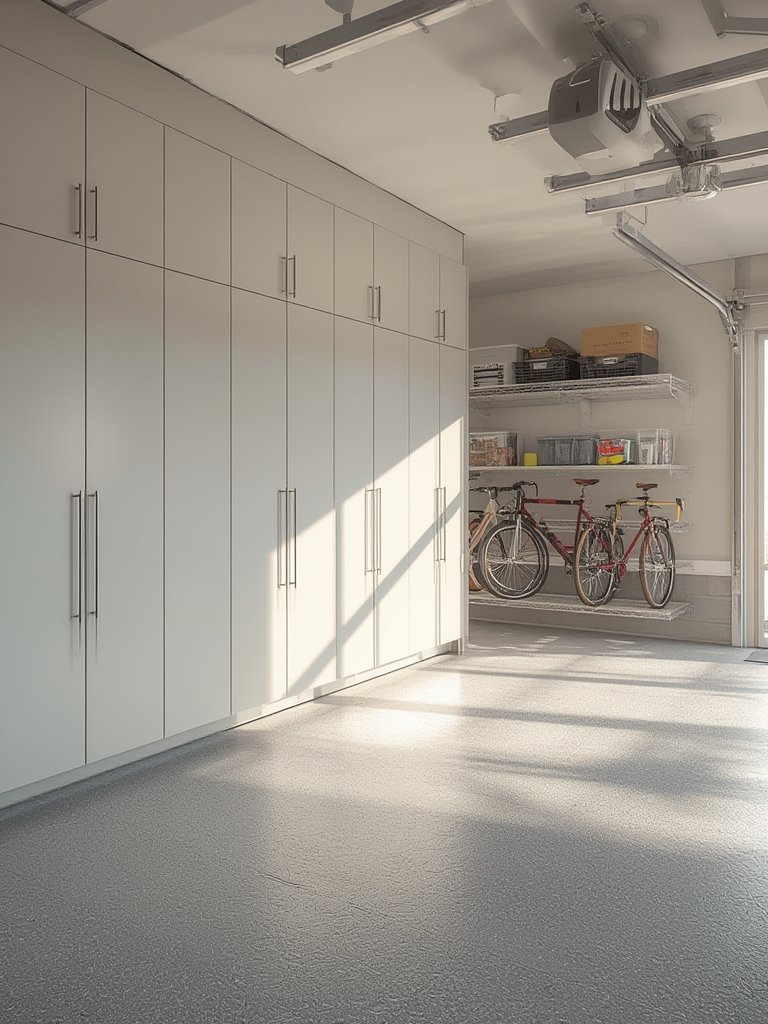
The global surge in garage renovations proves it: smart, durable garage cabinets are a worthwhile upgrade for any home. They offer real improvements in day-to-day function, long-term durability, and can even help declutter other areas like the kitchen or entry. While there is no one-size-fits-all, taking time with planning and install pays off. If you want the best results, prioritize strong materials, proper anchoring, and tailor your cabinets to meet your lifestyle—not just your storage needs. For anyone serious about a cleaner, safer, and more usable garage, garage cabinets are a solid investment. Start organizing today and make the most of your space.
Ready to tackle your project? Browse our closets by design guide for more ideas, or jump straight to our curated top product picks and recommendations to find the right solution fast.
Frequently Asked Questions
What type of garage cabinet is best for humid or uninsulated garages?
Choose powder-coated steel or heavy-duty plastic cabinets. These resist moisture, rust, and warping far better than unsealed wood or particleboard units. Consider vented doors if you store anything sensitive to humidity.
Do garage cabinets really add value to my home?
While major real estate reports do not quantify the exact ROI, many appraisers and agents agree that a well-organized garage with high-quality cabinets can boost perceived value and buyer appeal, especially as garages become more multi-use. The real benefit is easier daily living and stronger first impressions for potential buyers.
How much does it cost to install garage cabinets in 2024?
Basic DIY modular units can be installed for $100–$400 per section. Premium steel or custom wood cabinetry with pro install may cost $1,500–$6,000 or more for a full wall. Always get a quote that includes materials, labor, and any custom work for your garage’s dimensions.
Are there features to look for to keep kids or pets safe?
Absolutely. Seek cabinets with lockable doors, anchored hardware, and soft-close hinges. Store chemicals and sharp tools in higher or locked cabinets. Modular units with smooth edges reduce risk. Also consider child safety latches as an added layer of protection.
What are some alternatives if my budget is limited?
Combine a couple of sturdy, lockable cabinets for valuables with open shelving or stackable storage bins for oversized items. Repurpose metal tool chests or look for gently used commercial cabinets. Open racks can provide bulk storage until you’re ready to upgrade.