

Ceiling fan blade cleaner solutions are essential for every home to stop dust, grime, and allergens from circulating overhead. If you want to keep your indoor air cleaner, cut down on cleaning hassles, and avoid surprise maintenance issues, mastering the right tools and methods is non-negotiable. Skip the guesswork—here’s everything you need to know about choosing, using, and troubleshooting a ceiling fan blade cleaner in 2024.
Key Takeaways
- Specialized ceiling fan blade cleaners like Blade Maid and Txkrhwa save time and trap dust far better than generic tools, making cleaning faster and less messy.
- Not all methods are suitable for every fan material, and skipping routine cleaning can impact both your health and your fan’s function.
- Reusable, washable tools and natural cleaning ingredients help minimize waste and chemical exposure without driving up costs.
- What Is a Ceiling Fan Blade Cleaner & Why Does It Matter?
- How To Clean Your Ceiling Fan Blades: Step-by-Step
- Advanced Analysis & Common Pitfalls
- Conclusion
- FAQ
What Is a Ceiling Fan Blade Cleaner & Why Does It Matter?
A ceiling fan blade cleaner is a tool or method designed specifically to remove dust, allergens, and grime from the blades of ceiling fans—without scattering debris or requiring a risky balancing act on a ladder. In 2024, there are more choices than ever: affordable telescopic microfiber tools like the Blade Maid Multi-Tasking Dust Cleaning Tool and ultra-long handle dusters such as the Txkrhwa Ceiling Fan Cleaner Duster with 66.9" extension. These solutions are not just about keeping fans dust-free—they impact air quality, reduce allergens, and prevent dust buildup that can make fans noisy or off-balance. Choosing the right cleaner means easier maintenance and a healthier home, especially for those sensitive to dust or living with pets.
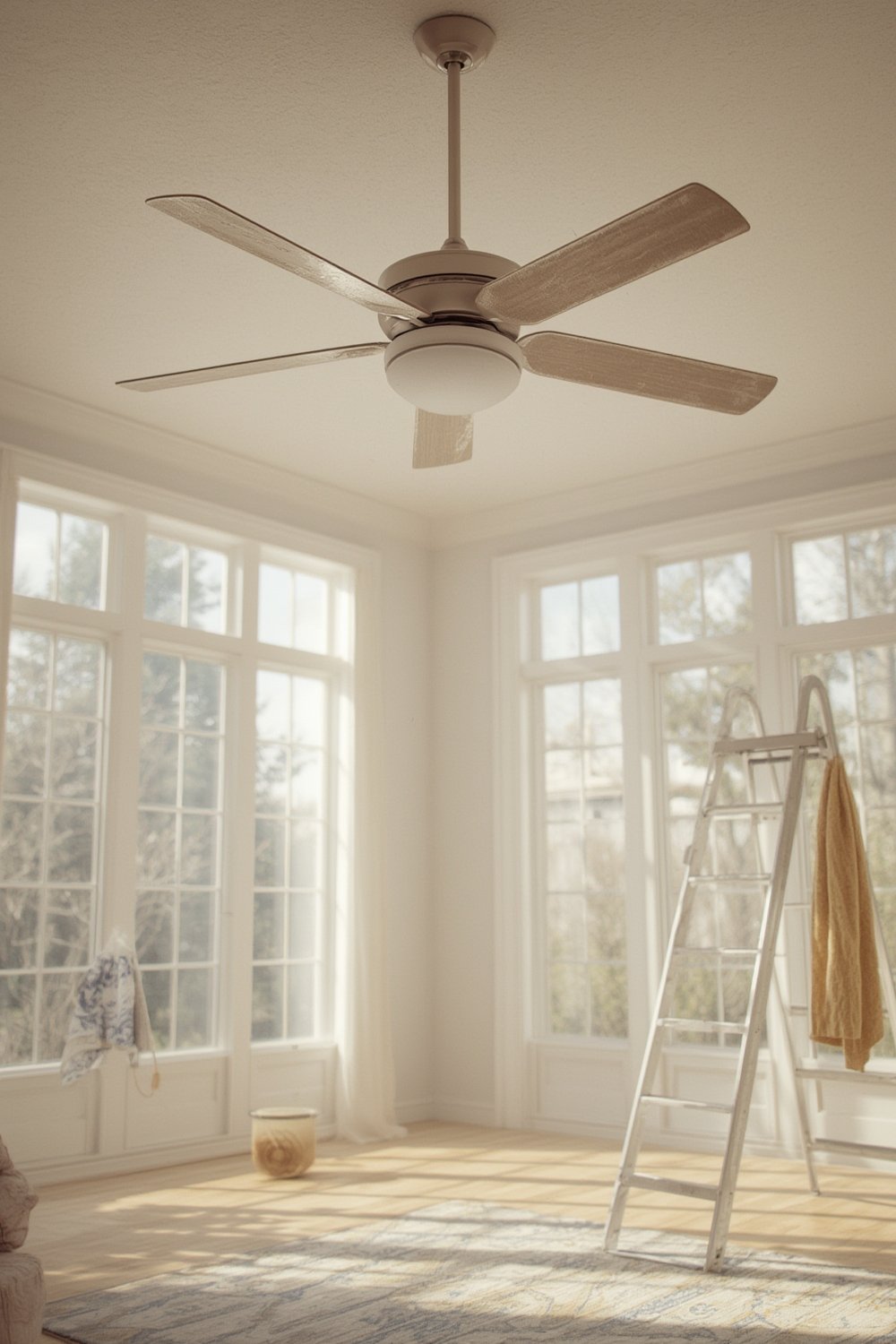
How To Clean Your Ceiling Fan Blades: Step-by-Step
- Turn off power to the fan at the breaker. This stops accidental starts and prevents shocks, especially if using liquids. Unplug or switch off wall controls as well.
- Position a stable ladder or step stool below the fan. Make sure it’s rated for your weight and is steady, especially if your fan is installed above normal reach. Avoid standing on chairs.
- Choose your cleaning tool:
- For routine dust: Use a telescoping microfiber duster designed for ceiling fans (like Blade Maid or Txkrhwa), or the old pillowcase method for minimal dust scatter.
- For sticky or greasy buildup: Dampen a microfiber cloth with a mild solution of dish soap and water, or use a natural mix of vinegar and water for gentle cleaning.
- For kitchen fans: Use a degreaser or baking soda paste if needed, following product directions closely—always test on a small area first.
- Dust each blade: If using a duster, slide it over each blade and pull slowly from root to tip to contain dust rather than push it into the air. If using a pillowcase, insert the blade, close, and wipe as you remove the fabric to trap dust inside.
- Address edges and hardware: Wipe the leading and trailing edges of each blade, and the hub, motor housing, and any exposed hardware using a damp microfiber cloth. Avoid saturating the cloth—liquids dripping into the fan can damage the motor or cause short circuits.
- Dry everything thoroughly: Use a clean, dry microfiber cloth to remove any moisture left behind. Wait until all parts are dry before restoring power.
- Reattach or re-balance blades if necessary. If you removed any blades, reattach using original hardware and check for balance. Run the fan briefly in the lowest setting to confirm smooth operation.
- Clean your tools for next time: Wash microfiber heads or pillowcases according to label instructions; let air dry fully before storing to prevent mildew.
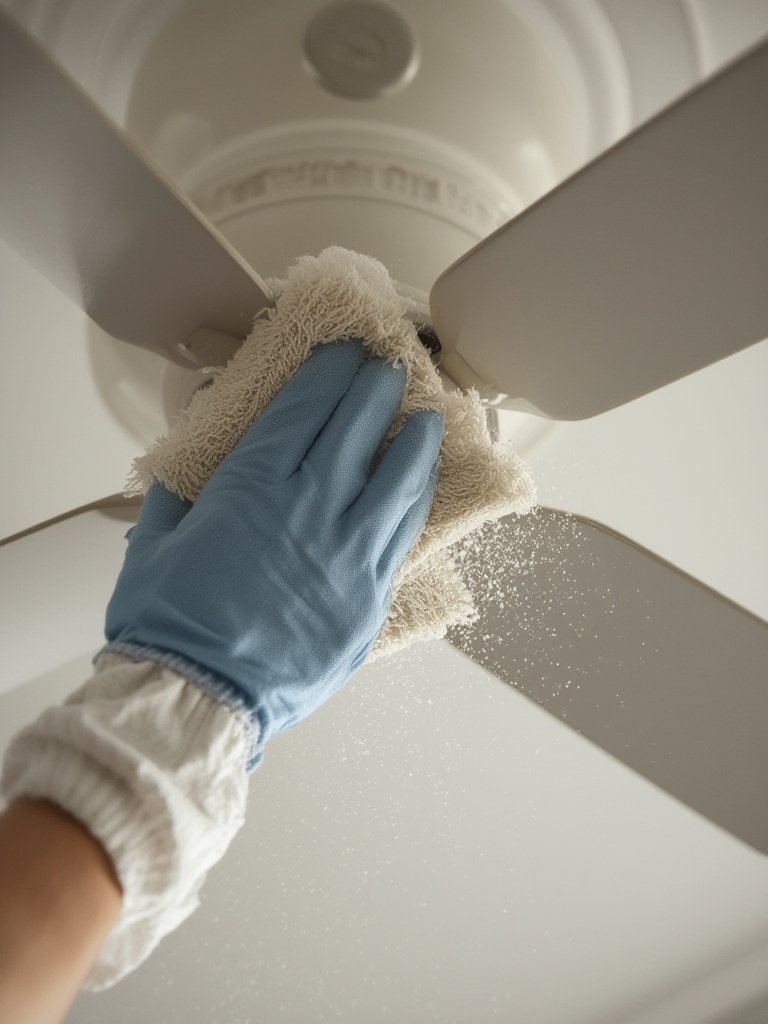
- Dispose or wash cleaning cloths responsibly: If using reusable microfiber or rags, simply wash and dry for next time. Minimize disposable wipes to reduce waste.
If you prefer professional deep cleaning or are tackling especially dirty kitchen fans, compare costs and methods to see if specialized services offer any real long-term advantage for you.
Advanced Analysis & Common Pitfalls
Even with the right ceiling fan blade cleaner, there are a few issues and limitations worth knowing before you commit to any method or tool:
| Issue | Why it Matters | Solutions & Workarounds |
|---|---|---|
| Dust Scatter During Cleaning | Dust released into air can aggravate allergies and resettle elsewhere. | Use enclosed duster heads, pillowcase method, or damp microfiber. Avoid dry brushing unless you have an air purifier nearby. |
| Fans Mounted on High Ceilings | Tough to reach without large ladders; unsafe using unstable furniture. | Get tools with 66-in or longer telescoping handles like Txkrhwa duster. If not possible, hire a professional for high installs. Consider alternatives like permanent outdoor lights for safer ladder use. |
| Grease Build-Up on Kitchen Fan Blades | Grease attracts more dust and resists dry cleaning. | Use kitchen-safe degreaser, warm soapy water, or a baking soda paste as outlined above. Spot test and avoid soaking blades. |
| Potential Damage to Fan Blade Material | Wood, plastic, or metal blades might warp, rust, or scratch if cleaned with wrong materials. | Use microfiber and gentle solutions on all surfaces. Never soak wooden blades—use just-damp cloth only. |
| Missed Blades Cause Wobbling | Uneven dust load makes fan unbalanced, noisy, or wears out bearings. | Clean all blades equally. If noise persists, rebalance or use a blade-balancing kit. |
| Chemical Exposure | Harsh cleaners can leave residue, irritate skin, or degrade air quality. | Stick to vinegar, baking soda, or unscented dish soap for regular cleaning. |
Manual methods keep costs low, but check if your cleaning tool can actually reach your fan’s height. Specialized options like Blade Maid or Txkrhwa require basic care—machine-washable microfiber heads keep them reusable and eco-friendly. Plan to wash and dry all cleaning cloths after use to keep hands and airflow healthy.
Want to maintain cleaner air and reduce allergens? Consider air purifiers for pet owners and full guides to cleaning every type of household fan for holistic upkeep.
Keep in mind, there are gaps in what you’ll find online—many high-ranking articles skip cost breakdowns and the long-term risks of using the wrong method on different materials. If you’re looking for truly actionable product picks and home improvement tips, check our curated reviews page or discover value-focused picks in our 2024 buying guide.

Conclusion
Choosing the best ceiling fan blade cleaner—whether for your kitchen, bedroom, or vaulted living room—means faster, safer cleaning, better air, and a longer-lasting fan. Don’t underestimate the difference the right method or tool can make. Instead of redoing work or risking mess, invest in reusable microfiber solutions and non-toxic cleaners, and set a simple monthly calendar reminder to tackle this job in minutes, not hours. Ready to breathe easier? Make ceiling fan blade cleaning part of your routine and share these low-hassle methods with anyone who could use a fresher home.
If you’re looking for more DIY cleaning strategies, explore our pantry organization tips, discover the best robot vacuums for pet owners, or see what’s trending in organic modern kitchen design.
Ceiling fan blade cleaner tools make a real difference—start now and enjoy cleaner air and less household fuss.
FAQ
How often should you clean your ceiling fan blades?
Once a month is best for bedrooms and living spaces. In kitchens or high traffic rooms, aim for every two to three weeks to prevent sticky buildup and allergens.
What is the safest way to clean fans on high ceilings?
Use an extendable ceiling fan blade cleaner with a telescopic handle. Never use unstable furniture—invest in a sturdy step ladder if the fan is beyond reach, or consider professional cleaning for fixtures over vaulted spaces.
Can I use any cleaning solution on wood or metal fan blades?
No. Avoid harsh chemicals or soaking wet cloths, especially on wood, which can warp or crack. Stick to lightly dampened microfiber and mild dish soap for all finishes, or use a vinegar-water mix for natural cleaning. Always spot test.
Is it okay to use a vacuum to clean ceiling fan blades?
Generally not recommended. Vacuums can scatter dust and aren’t built for delicate surfaces, though some models with soft brush attachments can help with vents or as a final pass post-dusting.
What are the benefits of reusable vs. disposable cleaning tools?
Reusable microfiber cloths or adjustable dusters minimize waste, save money over time, and are often more effective at trapping dust compared to single-use wipes or Swiffer refills.