

Moen curved tension shower rod installations are a popular choice for bathroom upgrades, offering easy, drill-free setup and a noticeable increase in shower space. But is this option right for every home? Let’s get practical about what to expect, how to avoid frustration, and how the Moen brand stands out (and sometimes falls short) in the real world.
Key Takeaways
- Moen curved tension shower rods deliver fast installation and more elbow room, but aren’t always the best fit for every wall or heavy curtain.
- Technical specs and price info can be hard to pin down—make sure to compare carefully before buying.
- Be prepared for common tension rod pitfalls, such as slippage or weight limitations, and know the fixes before you start.
- What Is a Moen Curved Tension Shower Rod and Why Choose One?
- Step-by-Step: Installing and Optimizing Your Moen Curved Tension Shower Rod
- Advanced Analysis & Common Pitfalls
- Conclusion
- Frequently Asked Questions
What Is a Moen Curved Tension Shower Rod and Why Choose One?
A Moen curved tension shower rod is a bathroom upgrade designed to expand your showering space without major renovations or permanent mounting. “Tension” means the rod relies on a spring-loaded design, held in place by pressure between the two bathroom walls, so no screws or drilling are required. The “curved” shape bows outward, offering up to several extra inches—making your shower or tub area feel much larger and less claustrophobic.
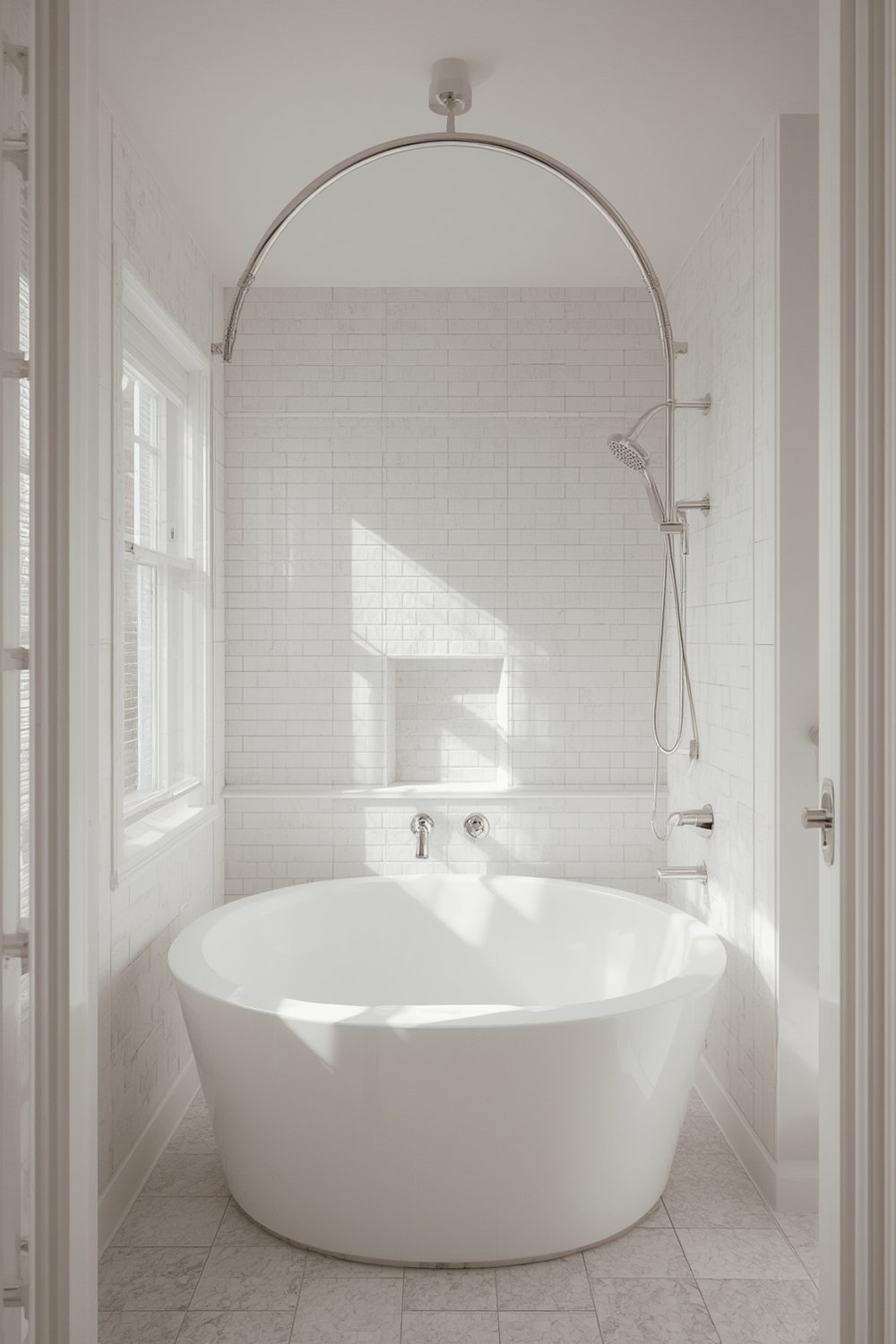
Moen is recognized as a top brand in this category, competing with names like InterDesign and Zenna Home. According to market research, these competitors control 30 to 40 percent of the global shower curtain rod market (source), a market itself estimated between $1.1 and $4.5 billion worldwide in 2024 (global market data). While Moen stands out for durability and smart design, real-world comparison between curved tension models is limited by a lack of detailed, public product data, so shoppers must evaluate based on installation, finish, and ‘fit’ rather than stats alone.
You might also want to explore other home improvement picks if you’re weighing upgrades. Our top product picks and recommendations hub covers everything from bathrooms to furniture.
Step-by-Step: Installing and Optimizing Your Moen Curved Tension Shower Rod
Want to install your Moen curved tension shower rod without frustration? Follow these steps for a secure, long-lasting result—no power tools or wall damage required.
- Measure your space. Before unpacking anything, measure the distance between the two shower walls at about 65 to 70 inches high. Most tension rods fit 54–72 inches but double-check your model’s specs.
- Prepare both wall surfaces. Clean the area where the rod ends will contact the walls. Smooth, dry, and non-greasy surfaces hold tension rods best.
- Assemble and unlock the tension rod. Follow the manufacturer instructions—usually this means unlocking the rod at its midpoint or twisting it to the minimum length.
- Position the curve. Hold the rod with the curve facing out toward your bathroom.
- Compress and set in place. Compress the rod between walls, then twist to extend and create tension until it holds tightly. Avoid over-tightening, which can damage drywall or tile.
- Hang your shower curtain and liner. Check for slippage. If the rod sags or moves, retighten or assess for uneven walls.
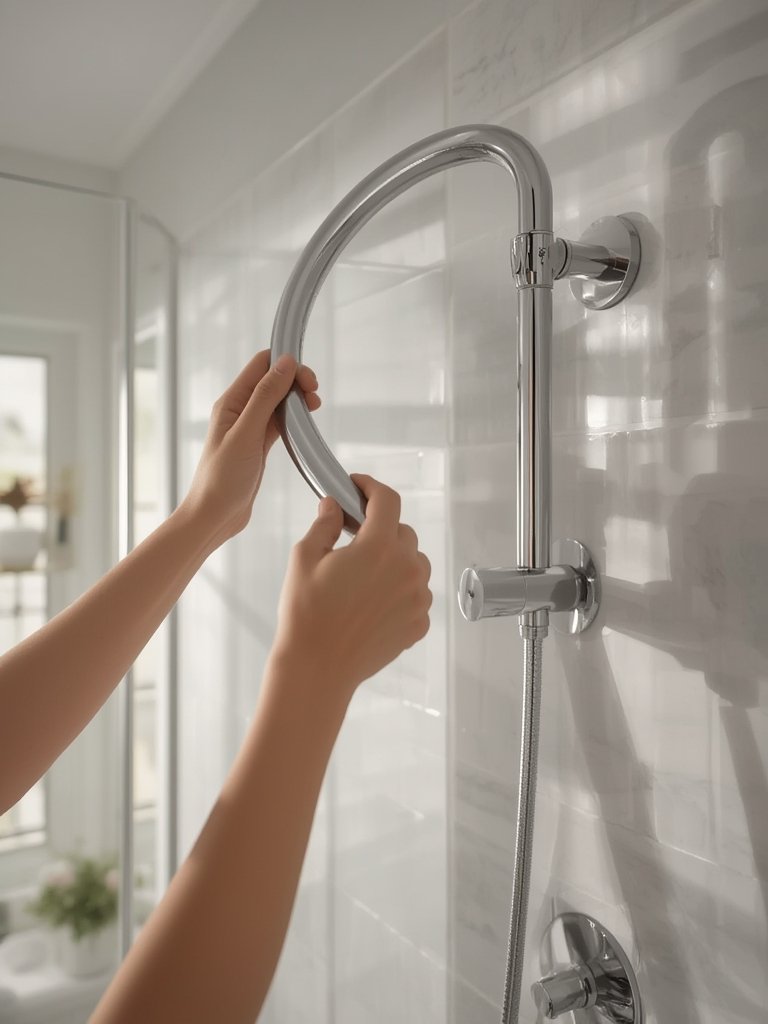
After installation, test by tugging gently on the rod and curtain to confirm it’s locked in place. For heavy curtains or very wide tubs, you may need to adjust placement or consider a fixed mount model.
Looking for more easy upgrade ideas? See how boneless couches are making renter-friendly upgrades even simpler or cordless drill if you ever want to install a permanent rod later.
Advanced Analysis & Common Pitfalls
Not every Moen curved tension shower rod installation goes perfectly. Here’s what market research, product overviews, and real-world experience suggest to watch out for—and how to compare rods even without full specs.
| Factor | Curved Tension Rod (Moen) | Fixed Mount Curved Rod | Standard Tension Rod |
|---|---|---|---|
| Installation | Tool-free, fast | Requires drilling, more tools | Tool-free, fast |
| Wall Damage | Rare (unless overtightened) | Yes (permanent holes) | Rare |
| Weight Capacity | Limited (varies by surface & model) | High | Limited |
| Stability on Tile | Can slip unless adjusted | Very stable | Can slip |
| Cost Range | Moderate | Higher | Low |
| Bonus Features | Rust-resistant finish, some adjustable | Often more stylish/solid feel | Basic |
- Slippage on some surfaces: Especially on glossy tile or textured paint, tension rods can drop unexpectedly, leading to wet floors or disrupted showers. Use rubber pads as noted above.
- Weight and Curtain Limitations: Heavier fabric curtains or liners can exceed what the tension mechanism supports, especially if regularly pulled sideways. For extra-wide tubs or if you prefer thick cotton curtains, a fixed mount is often safer.
- Hidden costs and missing specs: Moen tends to emphasize innovation, but finding real data on weight rating, rust resistance certification, and product lifespan isn’t easy. If these matter, request documentation before buying or compare in-store.
- Durability vs. price: While market research says Moen, InterDesign, and Zenna Home control much of the segment, no independent long-term testing is available. Consider how often you’re willing to re-tension or replace the rod—it’s a tradeoff for the tool-free install.
Other small-space upgrades can be prone to similar practical issues—see our 2024 product buying guide for informed shopping strategies, or check out renter-focused solutions like the tumble rug for easy-to-clean bathroom accessories.

Conclusion
Upgrading with a Moen curved tension shower rod is a great way to get more space and style in your bathroom, fast. But it pays to know what you’re getting—limited published specs, possible slippage on tricky walls, and weight limits matter if you want a lasting solution. Weigh these factors, reference reliable market shower curtain rod reports, and compare closely to make your next install frustration-free.
Ready to reclaim your shower space? Evaluate if the Moen curved tension shower rod is your best fit and check out our top product picks for more smart home upgrades.
Frequently Asked Questions
Is a Moen curved tension shower rod secure enough for heavy curtains?
Most tension rods (including Moen’s) handle standard curtains and liners, but very heavy or luxury fabrics may cause slipping or sagging. Consider a fixed mount if you need maximum stability.
Do Moen tension rods damage walls or tiles?
Properly installed rods rarely harm surfaces. However, excessive overtightening can leave marks or even crack tile. Always follow manufacturer torque/sizing recommendations.
Can I install a Moen curved tension shower rod in a rental apartment?
Yes. Since no drilling is required, the installation is reversible and ideal for rentals. Always test for wall stability and avoid over-tightening against soft drywall.
What should I do if my Moen curved tension rod keeps sliding down?
Clean wall surfaces and add a self-stick rubber pad under each rod end to improve grip. Roughening end caps with fine sandpaper can also help. For persistent problems, check that the rod is not extended too far beyond its secure range.
How do Moen curved tension shower rods compare to adjustable straight rods?
Curved rods offer extra space and a modern look, but straight rods may be slightly easier to install in very tight spaces. Both rely on wall friction—just watch for the same weight and slippage limits.
—