

Key Takeaways
- Rockwool insulation provides stable R-values (3.0–4.3 per inch), making it ideal for moderate climates and noise-sensitive spaces.
- It is DIY-friendly but requires careful handling and proper installation techniques to avoid reduced performance.
- While more affordable than spray foam, proper use in the right application ensures maximum ROI and long-term durability.
- What Is Rockwool Insulation and Why Consider It?
- Step-by-Step Guide: How to Install Rockwool Insulation
- Advanced Analysis & Common Pitfalls
- Conclusion
- FAQ
What Is Rockwool Insulation and Why Consider It?
Rockwool insulation—sometimes called stone wool or mineral wool—is made from volcanic rock spun into dense, wool-like fibers. Its unique properties set it apart from classic fiberglass or spray foam. The dense fiber structure not only insulates but also withstands fire, absorbs sound, resists moisture, and avoids sagging or settling over the years. For property owners and contractors looking for an insulation option that excels in fire safety, noise reduction, and eco-friendliness, rockwool is worth serious consideration.
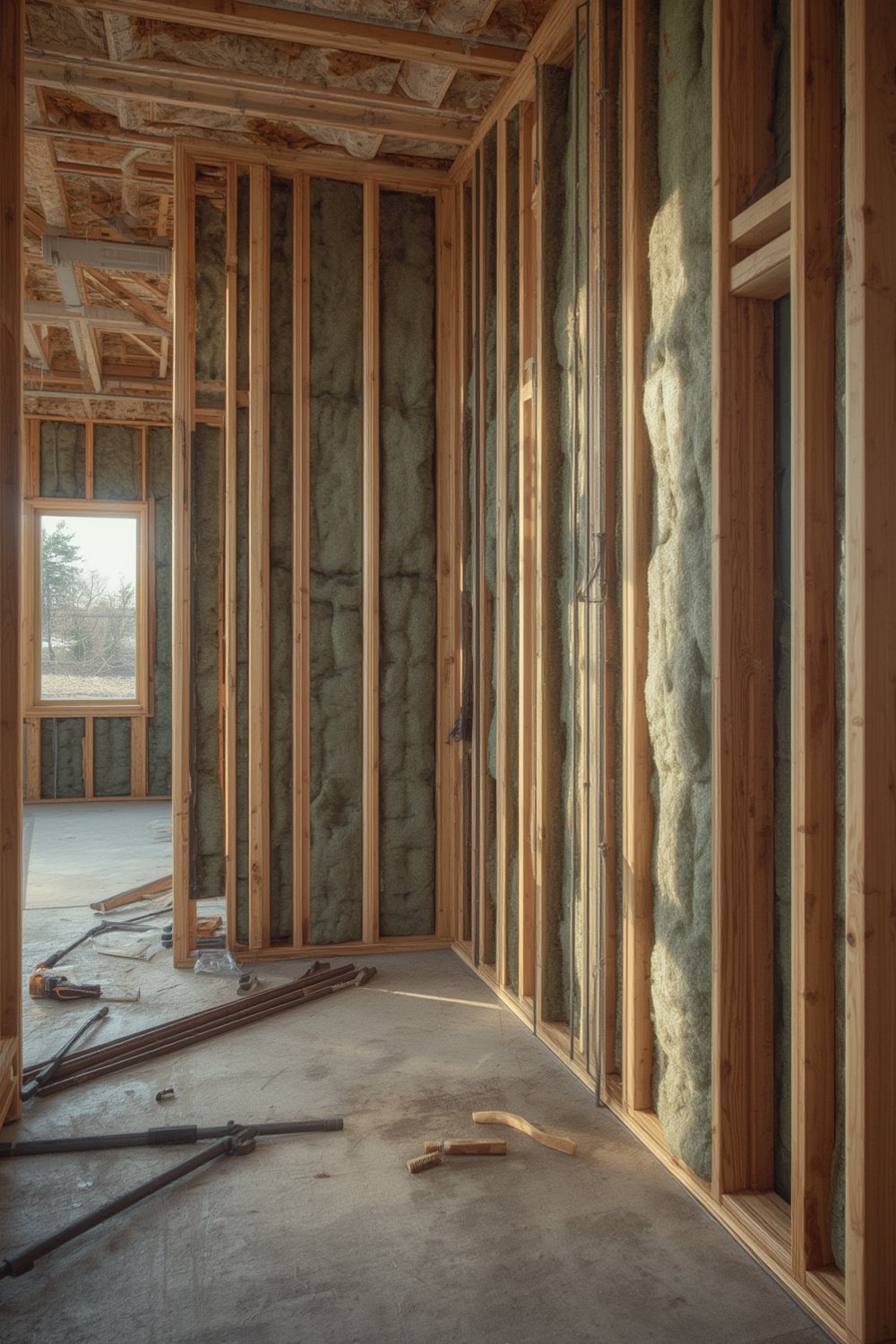
Rockwool insulation offers significant advantages for interior walls, home offices, attics, and basements—especially where fire risk and sound privacy are top concerns. The material is easy to cut, generally maintains its shape when properly installed, and doesn’t deteriorate like some traditional products. Compared to fiberglass batts, which can slump or lose R-value if disturbed, rockwool holds up much better over decades of use.
It’s also competitive on up-front cost versus alternatives. In the United States, 2024 pricing ranges between $0.62–$1.10 per square foot—substantially less expensive than spray foam, which often starts at $2 per square foot or higher. By using rockwool for the right job, you can get the fire safety, acoustic performance, and long-term durability most homeowners need.
Interested in maximized daily convenience as well? Consider pairing your comfort upgrades with smart cleaning solutions—explore our self-emptying robot vacuum for pet hair reviews for a tidier living space post-renovation.
Step-by-Step Guide: How to Install Rockwool Insulation
Installing rockwool insulation can be tackled by confident DIYers, but doing it right makes the difference between excellent performance and wasted effort. Follow these steps for best results—while watching for hidden traps the pros rarely reveal.
- Measure Your Cavities: Measure the distance between the studs, joists, or rafters. Rockwool batts usually come in standard widths. If your cavities are uneven, cut to size without compressing the batts.
- Pre-fit the Batts: Dry-fit pieces in each space to avoid over-compressing. The batts should fit tightly but not be crushed. Gently “tease” the edges for a friction fit—this maintains thermal performance.
- Install with Care: Insert the batt starting from top to bottom, pressing into place between studs. Don’t force batts or compress more than the manufacturer recommends. Over-compression reduces R-value and defeats one of rockwool’s main advantages.
- Seal Gaps and Penetrations: Use smaller batts, scraps, or non-combustible caulk around cutouts, pipes, and outlets to minimize air gaps. Unlike spray foam, rockwool is not an air barrier, so diligent sealing improves energy efficiency.
- Repeat and Inspect: Continue through all planned cavities, then check for loose or sagging areas and add friction-fit as needed. Leave no voids, as gaps result in cold spots and potential condensation.
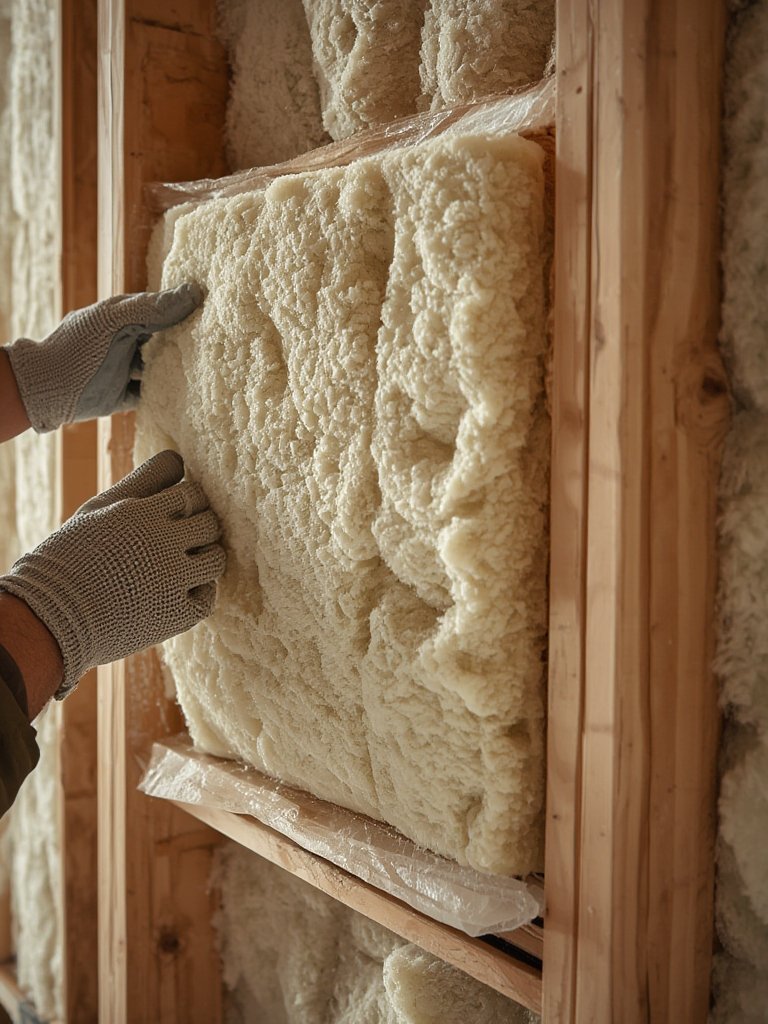
For large projects, break the work over multiple days to avoid rushing installation—a common cause of poorly performing insulation. Pay special attention in basements and attics where moisture or odd framing can create added complexity. For persistent appliance dust, learn how to keep your fans spotless in every season with our how to clean a fan guide.
If you’re interested in sustainable modern design that complements your new insulation, see our six actionable steps for an organic modern kitchen upgrade.
Advanced Analysis & Common Pitfalls
No insulation method is perfect. Rockwool insulation offers major benefits but also clear limitations and pitfalls—some you can fix, others you simply have to work around or factor into your project plan.
| Property | Rockwool Insulation | Fiberglass Batts | Spray Foam (Open/Closed Cell) |
|---|---|---|---|
| R-value per Inch | 3.0–4.3 | 2.5–4.0 | 3.6–3.8/6.0–7.0 |
| Fire Resistance | Excellent (won’t burn or spread flames) | Poor | Good/Varies (can burn, some produce fumes) |
| Soundproofing | High (preferred in noise-priority areas) | Moderate | Low/Moderate |
| Water/Mold Resistance | Low absorption, resists mold | Absorbs water if wet, molds | Excellent (closed cell) |
| DIY Friendliness | High (if handled safely) | High | Low (requires pro equipment) |
| Price per Sq Ft (US) | $0.62–$1.10 | Similar/Varies | $2–$9 |
| Durability (Decades) | Does not sag/settle | May sag or compress | Holds R-value but can shrink (open cell) |
- Fiber Irritation: Tiny stone fibers can irritate skin and airways. Never skip gloves or masks, no matter how tough you are. Even a single session without protection can cause itching for hours.
- Compression-Related R-value Loss: Stuffing a slightly oversized batt in a narrow cavity might seem harmless but drastically reduces R-performance. Always cut, never force.
- Not an Air Barrier: Unlike closed-cell spray foam, rockwool does not block airflow. If air sealing is critical, combine with caulk or a vapor/air barrier.
- Lower Maximum R-value per Inch: In very cold climates, you may need thicker or multi-layer installation for code compliance. Closed-cell spray foam remains a better choice in those zones but at a much higher price point. Learn more about R-value differences and building code requirements from sources like This Old House and USASprayMe.
- Potential for Gaps and Voids: Rockwool’s rigid batts are susceptible to minor gaps if wall framing isn’t plumb or square. Double-check fit and cut excess as needed for each section.
Additionally, rockwool excels in demanding applications—such as multi-family residence party walls or commercial buildings where sound, fire code, or moisture management are vital. However, spray foam may be better in extreme weather climates where every inch of R-value counts. For reviews and advice on performance products in other areas of your home, check out our product recommendations hub.

If you want durable insulation that lasts for decades, keeps your home quieter and safer, and costs less than foam, rockwool has clear advantages—if you install it the right way and understand its limits.
Want to maximize your overall home comfort? Consider upgrading permanent outdoor lights or improve indoor air quality with the right best home water filters as part of your next improvement project.
Conclusion
Rockwool insulation strikes a practical balance: superior fire and sound performance, strong durability, and competitive cost. In moderate climates and noise-priority areas, it is nearly unbeatable—especially when you avoid the installation pitfalls above. While it can’t match spray foam’s peak R-values or air-sealing in the most extreme conditions, it remains a top pick for most homes. If you want insulation that’s cost-effective and built to last, make rockwool insulation your go-to solution. Start planning your upgrade or consult a pro for tricky installs—your comfort and safety are worth it.
Ready to tackle your project? Check out our home remodel company selection guide to find qualified help, or grab the best cordless drill for home use and get started with confidence.
FAQ
Is rockwool insulation safe to handle and install myself?
Yes, rockwool insulation is safe for DIYers if you use safety gear. Always wear gloves, long sleeves, safety glasses, and a dust mask to avoid skin and lung irritation from fibers. Work carefully and vacuum afterward to remove stray fibers.
Does rockwool insulation absorb water or support mold growth?
Rockwool resists water absorption and does not support mold growth, making it a good option for below-grade (basement) or damp areas. However, it is not 100% waterproof. If floods occur, allow the batts to dry thoroughly before reusing or replacing them. See manufacturer details for more info.
How does rockwool compare to spray foam for energy efficiency?
Spray foam has a much higher R-value per inch and acts as an air barrier, so it can outperform rockwool in extreme climates or where energy losses are high. Rockwool is more affordable, offers better soundproofing, and is easier to install for most homeowners.
What are the fire safety benefits of rockwool insulation?
Rockwool is extremely fire-resistant. It will not burn, melt, or help spread flames, making it suitable for fire-blocking between units and for code compliance in many applications. Learn more from the manufacturer.
Does compression really affect the R-value?
Yes, compressing rockwool—even slightly—reduces its R-value and overall effectiveness. Always cut batts to fit snugly without forcing them. Use flexible-edged products like Comfortbatt to make installation easier and maintain true R-values.