

Pantry moth infestations are one of the most persistent and frustrating problems for homeowners who store dry goods, grains, or pet food. If spotted early, you can tackle a pantry moth issue before it spirals, but once they take hold, getting rid of them can require detailed action and ongoing vigilance.
Key Takeaways
- Pantry moths are relentless pests that lay hundreds of eggs in food sources, making early identification and thorough cleaning critical.
- Airtight containers, regular cleaning, and discarding infested items are the most effective and recommended long-term solutions.
- Pheromone traps can temporarily reduce moth populations, but long-lasting prevention depends on strict storage and hygiene habits.
- What Are Pantry Moths and Why Should You Care?
- How to Get Rid of Pantry Moths: Actionable Steps
- Advanced Analysis & Common Pitfalls
- Conclusion
- FAQ
What Are Pantry Moths and Why Should You Care?
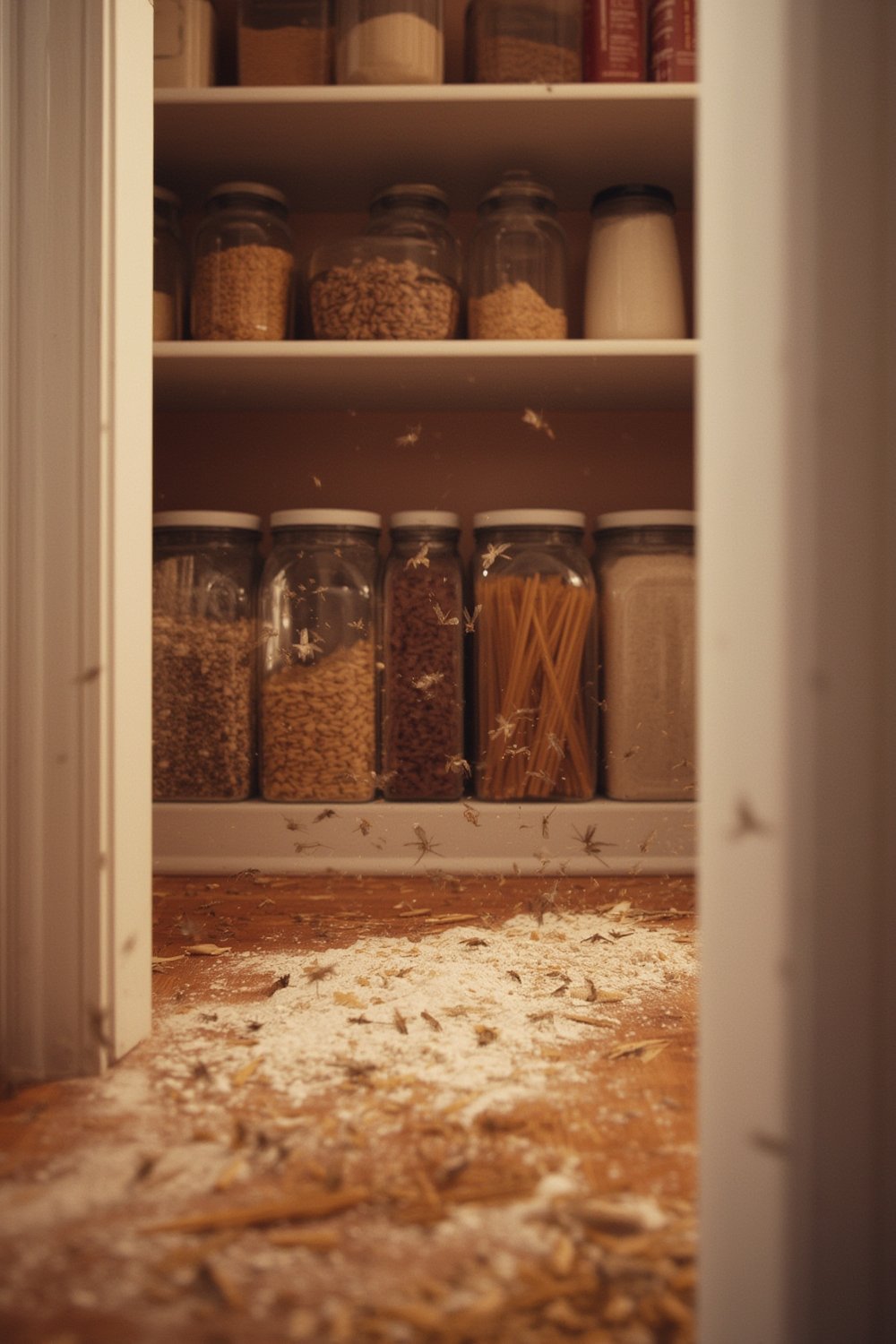
The pantry moth (Indian meal moth, Plodia interpunctella) is a tiny, determined pest that infests dry goods in homes worldwide. Adult moths fly into homes or hitchhike in groceries. Their larvae chew through packaging and spoil grains, nuts, pet food, dried fruit, and even chocolate. Pantry moths are active year-round, with even a single infested bag of flour potentially seeding dozens of new moths in your pantry. If left unchecked, the problem quickly multiplies, with eggs hatching about 14 days after being laid on or near food sources [source].
How to Get Rid of Pantry Moths: Actionable Steps
Eradicating pantry moths is possible if you act quickly, stay organized, and follow a systematic approach:
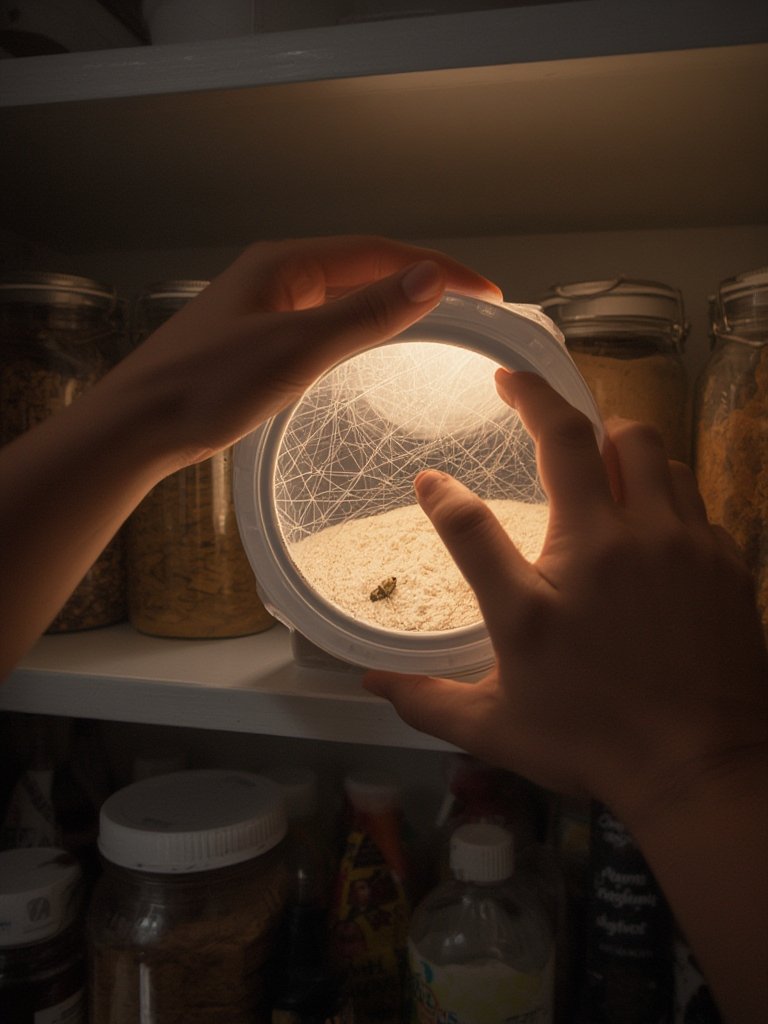
- Inspect Every Dry Food Item: Take everything out of your pantry or cupboards. Examine all packaging for webbing, larvae, or small holes. Focus especially on grains, cereals, pet food, dried fruits, and nuts.
- Dispose of Infested Food: If you spot any infestation, discard the entire package immediately into a tightly sealed outdoor trash bin. Do not compost or store these items anywhere in your home.
- Vacuum and Clean Thoroughly: Use a vacuum around shelves, cracks, and baseboards. Wipe every surface with a mild soap or vinegar solution. Larvae and eggs can hide in tiny crevices or under shelf liners.
- Store in airtight containers: Transfer remaining food into thick-walled glass or sturdy plastic containers with tight-sealing lids. Don’t rely on original packaging or thin plastic bags, as larvae can chew through them [source].
- Set pheromone traps for Moths: Place commercial pheromone traps (about $7 to $15/2-pack) in the pantry to attract and trap adult males, reducing new egg laying. Replace regularly and use as a monitor, not as your whole solution.
- Repeat Checks Weekly: Re-inspect for webbing or live insects each week for at least a month. The moth life cycle means missed eggs can hatch long after the initial cleanup.
Mothballs are not safe to use near any food or pantry area: they release gas that is toxic if ingested [source].
Want to tackle multiple home organization projects? See our guide to organizing your kitchen pantry for smart storage ideas that can prevent pantry moths from recurring.
Advanced Analysis & Common Pitfalls
Identifying pantry moths correctly is crucial. The Indian meal moth’s larvae are slightly off-white to pinkish, with a brownish head. Adult moths are about 1/2″ long, with gray and coppery brown wings. Larvae of other moths (like grain or flour moths) look similar, so check for signature webbing and small holes in packaging.
If you’re remodeling or want to future-proof your kitchen against pests, consider upgrading to fluted glass cabinets or custom storage (see Closets by Design tips here) to help spot issues quickly and clean easily.
| Method | Effectiveness | Main Pitfall |
|---|---|---|
| Throwing out visible infested food only | Low | Misses hidden larvae & eggs |
| Using airtight containers | High | Only works if all food is stored properly |
| Pheromone traps alone | Moderate | Does not kill larvae or stop breeding entirely |
| Insecticides/chemicals | Unsafe near food | Toxic residue, not recommended |
| Vacuuming and deep cleaning | High | Requires repeat effort & attention to hidden areas |
- Common user errors:
- Overlooking cracks, shelf pegs, or under-cabinet gaps where eggs and larvae may hide.
- Trusting original packaging (many pantry moth larvae chew through plastic and cardboard).
- Assuming one cleaning session is enough; moths can reappear weeks later if any eggs remain.
If you have lots of pet hair mixed with loose pantry debris, a self-emptying robot vacuum for pet hair can help keep your floors clean between full pantry cleanouts.

Conclusion
Winning the battle against pantry moths takes more than a one-time cleanup. Consistently using airtight containers, quickly discarding infested items, and cleaning storage areas thoroughly makes a lasting difference. While traps can temporarily reduce visible moths, prevention is your most reliable shield. If you’re redesigning your space, durable storage upgrades add another layer of defense. Don’t let pantry moths make your kitchen their home—take action at the first sign of trouble, or build pest-resistant habits now for peace of mind. Ready for a total pantry reset? Start now to eliminate every pantry moth for good.
For expert picks to upgrade your culinary organization or food storage, check our top product picks and recommendations or learn more about the benefits of washable rugs for easy cleaning in high-traffic pantry areas.
FAQ
How do I tell if I have pantry moths or another pest?
Look for small, winged moths with gray and reddish-brown wings in the pantry. Larvae are pale or pinkish, sometimes with brown heads, often found with webbing in packaging. For certainty, compare against expert images or ask your local Cooperative Extension office.
Can I use natural remedies like bay leaves or essential oils?
There is no scientific proof that bay leaves or essential oils prevent or eradicate pantry moths reliably. The most effective solution is to use airtight containers and thorough cleaning.
Why do pantry moths keep coming back after I clean?
If any eggs or larvae are left behind in hidden cracks or in overlooked packages, a new moth generation can emerge days or weeks later. Regular inspection and cleaning are crucial after an outbreak.
Are pantry moths harmful to my health?
Pantry moths don’t bite or sting, but eating infested food is unpleasant and can cause digestive upset. They contaminate food, leading to food waste and potential allergen exposure.
What is the single best thing I can do to prevent pantry moths?
Always store dry foods in thick-walled, airtight containers. Immediately transfer new purchases from original packaging to containers as your first defense.