

Ambient lighting meaning is a critical concept for anyone looking to create comfortable, energy-efficient spaces at home or work. Yet, many people misunderstand what ambient lighting truly is, how it affects mood and energy bills, and how to get it right in each room. This guide demystifies ambient lighting with realistic examples, actionable steps, expert tips, and evidence from industry research.
Key Takeaways
- Ambient lighting creates the foundation for a room’s overall brightness and comfort—its role goes beyond mere visual appeal.
- Proper ambient lighting saves up to 25-80% in energy with connected controls, while affecting productivity and mood, especially with human-centric solutions.
- Overlooked methods like LED strip lighting and wireless mesh systems offer new flexibility but require careful installation and planning to avoid common failures.
The Core Concept
Ambient lighting is the main source of light that fills an entire room, providing a comfortable level of visibility without glare. Unlike accent or task lighting, it sets the overall mood or background illumination. The meaning of ambient lighting, in practice, is “background light” – often from ceiling-mounted fixtures, wall sconces, indirect sources, or even smart bulbs that respond to your presence.
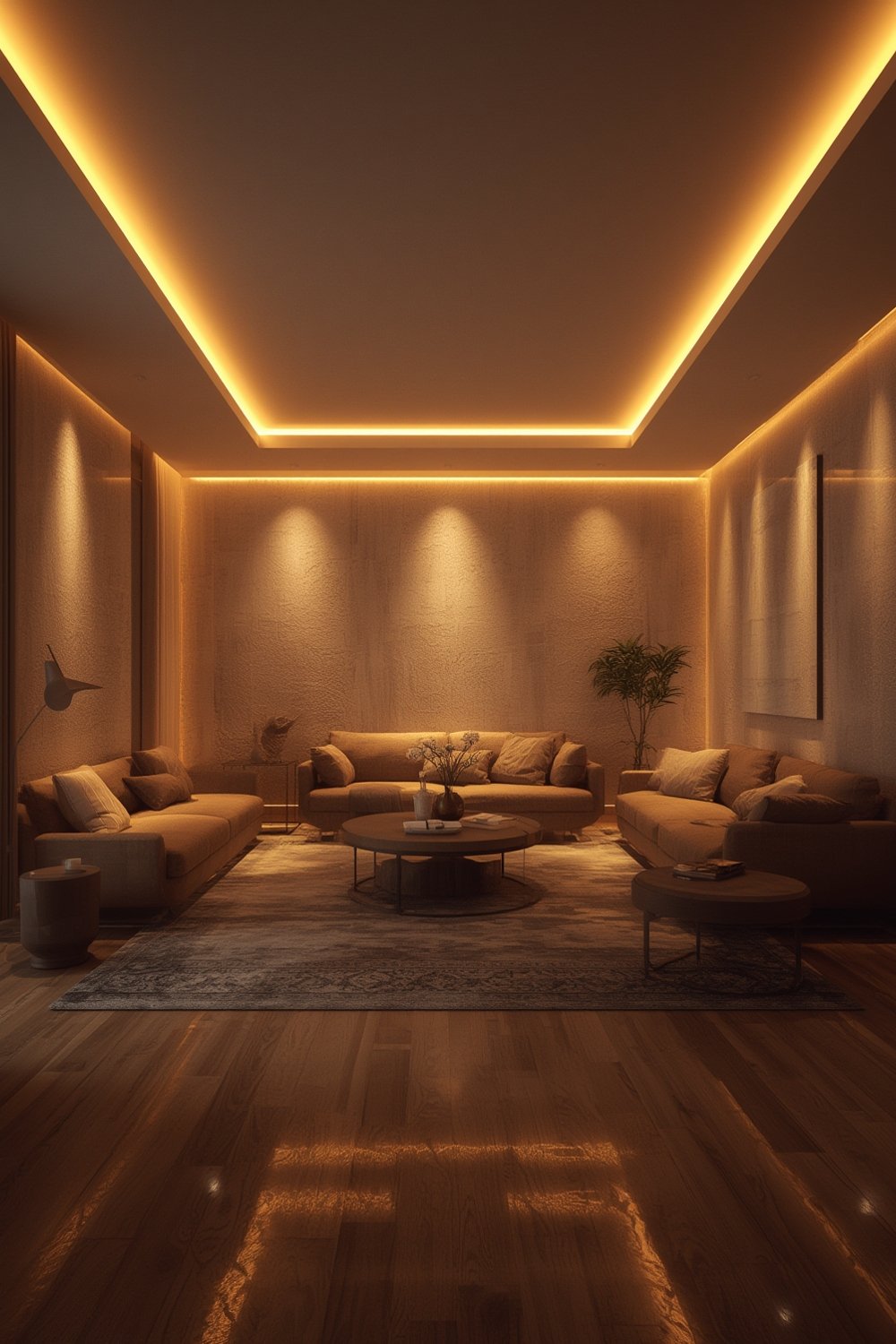
According to architectural lighting market research, ambient lighting now dominates with over 40% market share in 2024. The main reason? It boosts comfort, helps trim lighting-related energy use by up to 28% in year one, and enables productivity gains with well-designed, human-centric solutions. Smart sensors and controls further optimize energy, especially for commercial settings, but are now accessible for homes too. Even so, many guides fail to explain which lights count as ambient, what “layering” means, and how room size or function determines your best option.
Step-by-Step Guide
Here’s a direct, actionable approach for implementing ambient lighting that works for living rooms, bedrooms, kitchens, and offices alike:
- Assess your room’s needs. Consider function, daily routine, and any natural light sources. Is this a high-traffic space, a relaxation zone, or a multipurpose room?
- Measure and map. Calculate the square footage and ceiling height. Use the rule of thumb: 20 lumens per square foot for bedrooms/living rooms; 50 for kitchens/workspaces.
- Choose your ambient source(s). Ceiling fixtures (flush-mount, semi-flush, recessed), indirect LED coves, or wall-mounted lights. For rentals or upgrades, look to smart bulbs or plug-in fixtures.
- Layer with flexibility in mind. Add dimmers where possible for day-to-night adaptability. If layering, always set ambient as your first base.
- Integrate controls. Automate with sensors, timers, or apps to boost energy savings and convenience.
- Test and adjust. Walk the space, check for dark zones, harsh shadows, or excessive glare. Adjust bulb placement, shade direction, or add secondary sources if needed.
- Maintain your setup. Keep lenses, diffusers, or bulbs clean and replace aging components for consistent performance.
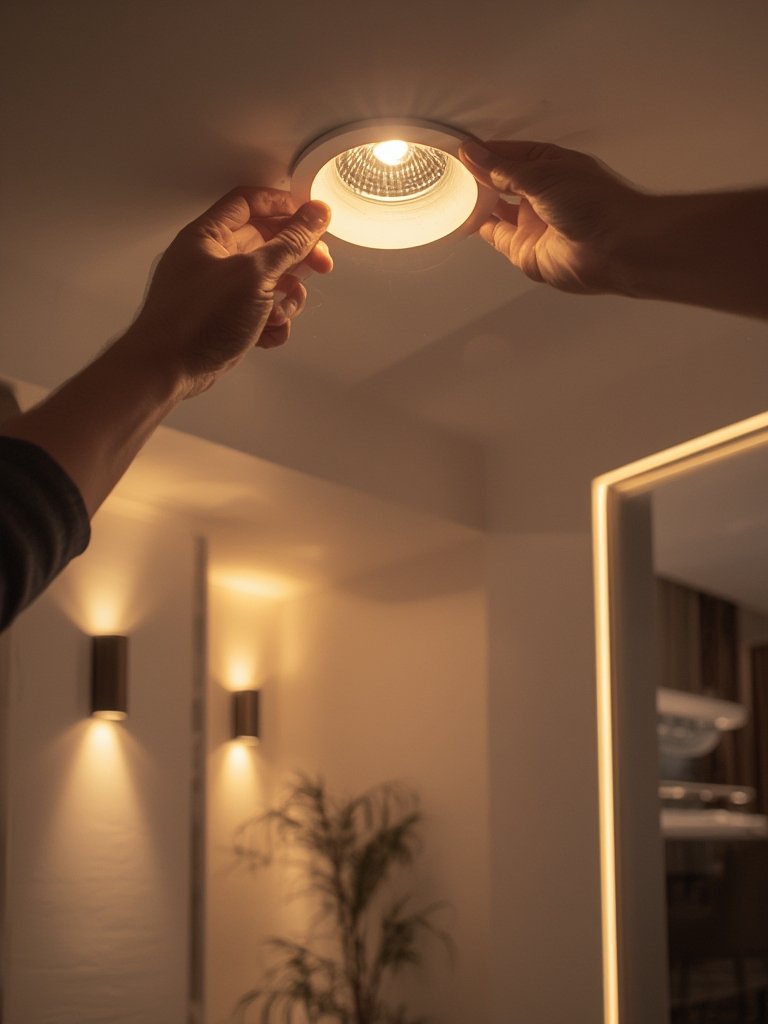
For more expert advice fitting lighting into your overall smart home ecosystem, check our smart home starter guide. If your project includes kitchen upgrades, consider the role of ambient lighting in an organic modern kitchen for a warm and welcoming effect. Don’t forget, layering matters: well-designed ambient light works with accent lighting and task lights for a balanced look—and comfort.
Advanced Analysis & Common Pitfalls
Most ambient lighting mistakes come down to these realistic issues:
- Over-reliance on “one big fixture”: This leaves edges shadowed and reduces visual comfort. Always layer with multiple sources aimed to distribute light evenly.
- Poor control integration: Failing to install dimmers or sensors leads to wasted energy and inflexibility for night/day use cycles.
- Ignoring new technology: LED strip lighting is flexible and stylish, but many DIYers ignore issues with high inrush currents (which can fry cheaper drivers) or insufficient thermal management that shortens lifespan.
- Wireless retrofits gone wrong: Bluetooth Mesh and similar wireless tech deliver serious flexibility but require careful channel planning to avoid wireless interference, especially in multi-tenant or dense environments.
Market research confirms this is a fast-growing trend but not risk-free. - Setting color temperature poorly: Using bulbs that are too “cold” (6000K+) in bedrooms or living rooms can create harsh, unwelcoming light—aim for 2700-3200K for these spaces.
- Neglecting maintenance: Dusty or yellowing diffusers and bulbs can waste energy and make a room appear dingy, even if you have the right fixtures.
| Ambient Lighting Type | Pros | Cons | Best For |
|---|---|---|---|
| Ceiling-Mount Fixtures | Even coverage, affordable, simple setup | Glare risk, bland if overused | Bedrooms, living rooms, kitchens |
| LED Strip Lighting | Flexible, hidden installation, customizable colors | Driver failure risks, tricky for beginners | Shelves, cove lighting, accent walls |
| Smart Bulbs & Sensors | Automated, energy-efficient, tunable color & brightness | Can fail if Wi-Fi drops, upfront cost | Whole home upgrades, rentals, offices |
Research from Mordor Intelligence and Strategic Market Research shows that connected ambient lighting systems—especially those using sensors and automation—can deliver energy savings up to 80% while supporting human-centric outcomes like productivity and comfort. However, these solutions demand careful planning and strong products, not just the cheapest option.
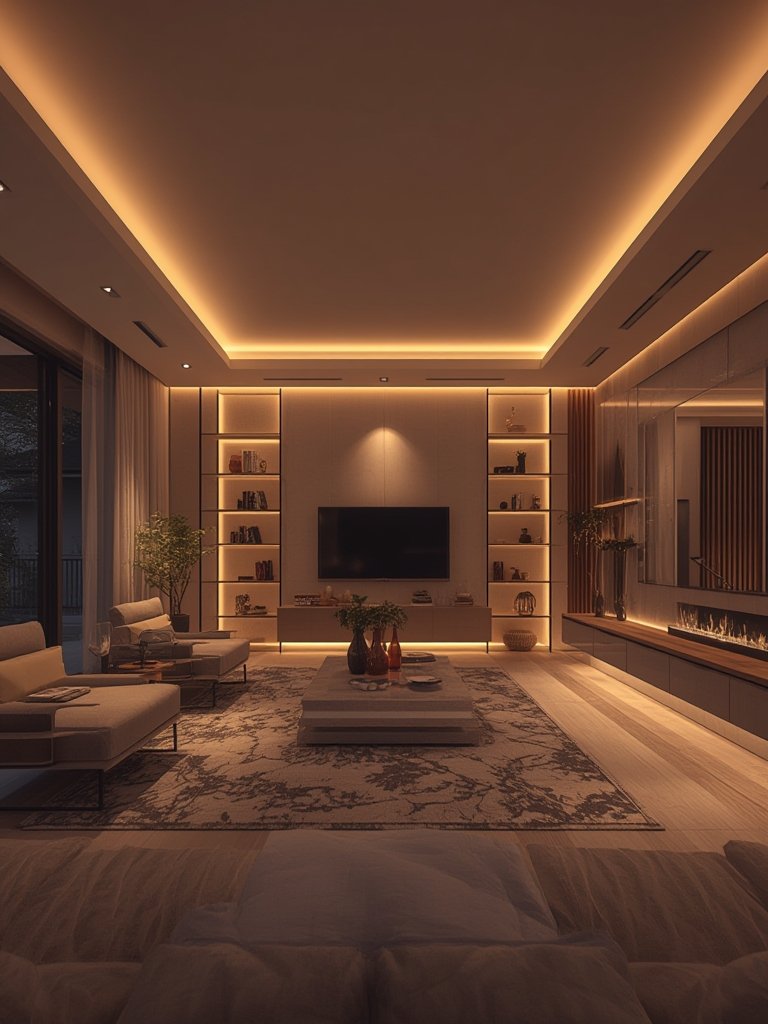
If you want recommendations on other time-saving and energy-efficient home devices, our self-emptying robot vacuum guide and permanent outdoor lights resource are worth exploring.
Conclusion
Mastering ambient lighting meaning is much more than picking a stylish chandelier or brightening up a room—it’s about comfort, energy efficiency, and usability. Done right, ambient lighting forms the backbone of a well-lit home or business, prevents strain, and supports both mood and performance. Invest time in planning, avoid common pitfalls, and explore new technologies for a setup that will last. Ready to take your lighting to the next level? Start by mapping your ambient lighting needs today, and don’t hesitate to check out our top product picks and recommendations for lighting and smart home devices.
FAQ Section
What does ambient lighting mean in simple terms?
Ambient lighting refers to the main source of light in a room, providing overall brightness so you can see and move safely. It’s the background layer that makes any space usable—think ceiling fixtures, wall sconces, or indirect LEDs.
How is ambient lighting different from accent and task lighting?
Ambient lighting creates general brightness, task lighting targets specific work areas (like over kitchen counters), and accent lighting highlights artwork or features. All three should work together for a balanced result.
Are smart bulbs and sensors worth it for ambient lighting?
Yes, when used properly, smart bulbs and sensors can automate ambient lighting, save energy (up to 80% with advanced sensors), and improve comfort. Just be aware of wireless network reliability and upfront costs.
What’s the best ambient lighting temperature for living spaces?
For living rooms and bedrooms, use bulbs in the 2700-3200 Kelvin (warm white) range. Kitchens or workrooms can handle slightly cooler light (3500K), but avoid very “cool” or blue-toned lights where relaxation is needed.
Can ambient lighting impact my mood or productivity?
Absolutely. Human-centric ambient lighting and tunable LEDs can support natural circadian rhythms, helping with focus during the day and relaxation at night. There’s documented productivity lift in workplaces with good ambient lighting design.