

### Blog Post:
Weather stripping for metal exterior doors is one of the most effective and affordable ways to improve your home’s energy efficiency, reduce drafts, and keep utility bills under control. Whether you’re a homeowner or facility manager, upgrading your weather stripping can pay for itself in a single heating or cooling season. Here’s how to do it right—while avoiding the most common mistakes and choosing the most durable materials.
Key Takeaways
- Properly installed weather stripping for metal exterior doors can cut heating and cooling costs by 10-25% and boost comfort year-round.
- Most users struggle with poor adhesion, fit, and durability—especially in tough climates or when combining with smart features.
- Choose the right material and technique to avoid common pitfalls like air leaks, fast wear, and compatibility issues.
- Understanding Weather Stripping for Metal Exterior Doors
- Step-by-Step Guide: How to Install & Upgrade Weather Stripping
- Advanced Analysis & Common Pitfalls
- Conclusion
- FAQs
Understanding Weather Stripping for Metal Exterior Doors
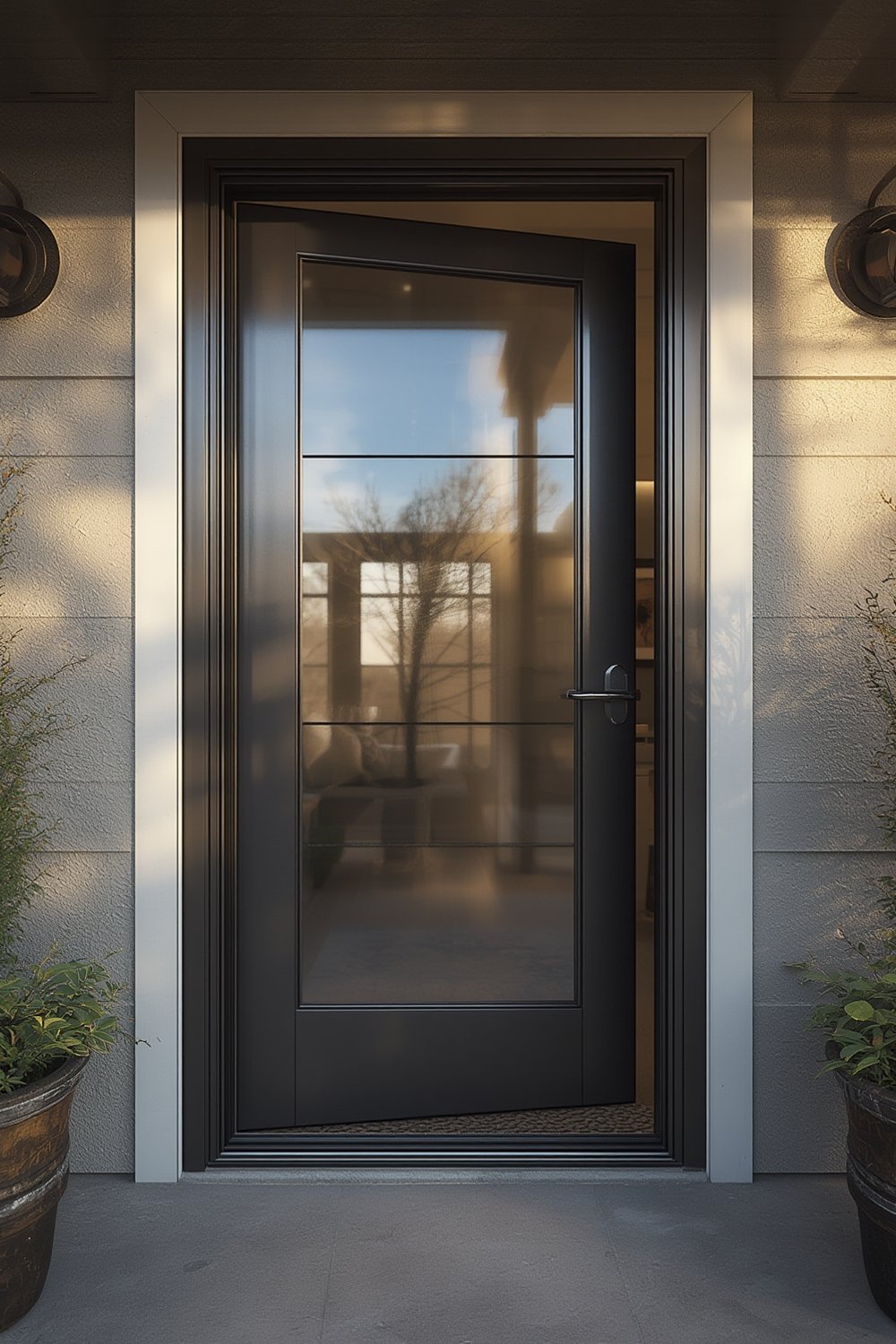
Weather stripping is the process of sealing the gaps around your metal exterior door with specialized materials designed to block air, moisture, and noise infiltration. Metal doors are notorious for transmitting outside temperatures and leaking air, making effective weather stripping essential for maintaining indoor comfort and efficient energy use.
The main benefits of weather stripping your metal exterior doors include:
- Energy savings: According to the US Department of Energy, properly weather-stripped doors can reduce energy consumption by 5-15% (source).
- Comfort: Weather stripping prevents drafts and keeps your interior temperatures stable.
- Lower bills: Sealing entry doors can save $120 to $500 per year in the average household (source).
- Moisture & noise control: Reduces risks of water intrusion, dust, and unwanted sound.
Given that doors and windows account for about 25% of heating and cooling demand (source), the efficiency impact of well-installed weather stripping is significant—especially when combined with other energy upgrades like insulated glass or a smart thermostat.
Step-by-Step Guide: How to Install & Upgrade Weather Stripping
Upgrading or adding weather stripping to your metal exterior door is a project almost any DIYer can tackle in an afternoon. Here’s how to do it for the best results:
- Choose the right type of weather stripping:
- magnetic strips: Best for steel doors, offering a tight seal but may interfere with electronic locks or smart sensors.
- EPDM rubber: Durable and flexible, resists UV and temperature extremes. Good longevity for outdoor metal doors.
- Silicone or foam tapes: Affordable and easy to install, but less durable in harsh weather or with heavy use.
- Measure twice, cut once: With the door closed, measure top, both sides, and bottom gaps. Most homeowners underestimate the length needed, so double-check before trimming materials to fit.
- Remove old weather stripping: Use a putty knife or flat scraper to ensure the surface is clean and residue-free. Sand lightly and wipe down with alcohol or degreaser for best adhesion.
- Install new weather stripping:
- If adhesive-backed, peel off a few inches of the backing at a time while pressing firmly along the door stop or frame.
- For magnetic or groove-inserted strips, seat them securely in pre-cut channels or use fasteners as directed by the manufacturer.
- Ensure the strip compresses just enough when the door closes, but doesn’t prevent smooth operation.
- Test and adjust: Open and close the door several times. Inspect for continuous seal, look for daylight or feel for drafts. Trim or reposition as needed.
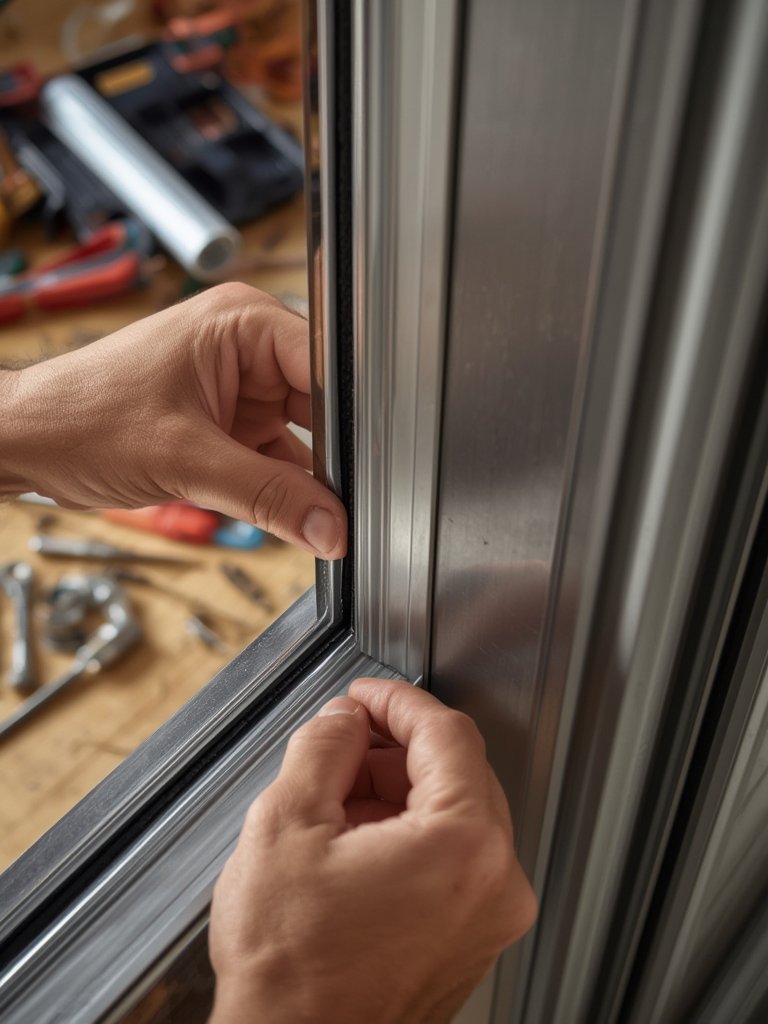
- Maintain regularly: Inspect each season—especially after temperature swings or storms. Clean debris and check for flattening, tears, or gaps. Replace strips that have hardened, cracked, or lost flexibility.
Looking for a shortcut? Many pros recommend magnetic or high-quality EPDM rubber for metal doors in busy households, especially if you have frequent in-and-out traffic, pets that shed hair, or deal with harsh winters and hot summers.
Advanced Analysis & Common Pitfalls
Even though the process might sound straightforward, users encounter several common challenges with weather stripping for metal exterior doors—especially when seeking a lasting solution for modern homes or offices.
- Adhesion failure: Oil, dust, or humidity on metal surfaces reduces tape or foam grip. Adhesive types struggle in cold or damp climates. Mechanical fasteners or magnetic strips offer better long-term hold.
- Poor durability in extreme climates: Foam and basic vinyl can crack, shrink, or harden during freeze-thaw cycles or prolonged sun exposure. Only EPDM rubber or industrial silicone withstand these extremes for 15-20 years (source).
- Compatibility issues: Standard magnetic weather stripping may conflict with smart door locks, sensors, or automation systems. Always check manufacturer compatibility or opt for non-magnetic options near electronic devices.
- Improper fit: Overly thick or poorly aligned strips prevent the door from closing, while too-thin strips allow air and water leaks.
- Lack of eco-friendly options: Most commercial weather strips are made from synthetic rubber or plastic. If sustainability is a priority, seek out third-party verified products made of recycled materials or bio-based rubber.
| Type | Best For | Pros | Cons | Longevity |
|---|---|---|---|---|
| Magnetic Strip | Steel doors | Excellent air seal, easy to install, no adhesives needed | May interfere with smart locks or electronics, more expensive | Up to 20 years |
| EPDM Rubber | Heavy traffic, extreme climates | UV, ozone, and temperature resistant, compresses well | Requires precise sizing, moderate cost | Up to 20 years |
| Silicone Tape | DIY, rental properties | Flexible, easy to apply, affordable | Less durable under abuse, may lose stickiness | 3-5 years |
| Foam Tape | Temporary fixes | Very cheap, easy for most gaps | Shortest life, degrades in sun or humidity | 1-2 years |
| Eco-friendly Rubber | Sustainability-conscious | Reduced emissions, may be compostable/recyclable | Limited product choices, sometimes higher cost | 5-10 years |
Another issue rarely covered by top-ranking guides: the global door weather stripping market is growing, with more innovative and eco-conscious materials expected in the next few years (source). Products with certified Energy Star labels can boost efficiency by about 12% (source), and insulated metal doors often feature weather stripping as a standard component.
If you’re refitting your weather stripping as part of a larger home upgrade, check out other practical improvements like permanent outdoor lights, organic modern kitchen updates, or smart appliances such as a non toxic air fryer.
Conclusion
Installing and maintaining weather stripping for metal exterior doors is a straightforward yet high-impact project. The right product and technique can drive down your energy costs, keep your interior comfortable, and prevent many maintenance headaches. Always choose materials suited to your climate, door type, and usage needs. If you’re upgrading your home or tackling a larger remodel, don’t overlook this essential detail—your comfort and budget will thank you. Ready to boost your efficiency? Start by evaluating your current weather stripping for metal exterior doors and take action before the next season hits.
For more curated home improvement tips, see our top product picks and recommendations or calculate your remodel ROI with our mortgage calculator.
FAQs
How often does weather stripping on metal exterior doors need to be replaced?
High-quality options like EPDM rubber or magnetic strips can last 15-20 years with normal use. However, inspect annually for tears, flattening, or gaps and replace as soon as you spot wear.
What is the most energy-efficient type of weather stripping for a metal door?
Magnetic strips provide the tightest seal for steel doors, reducing air leakage most effectively. Look for Energy Star certified doors with integrated high-grade weather stripping.
Can weather stripping interfere with smart locks or video doorbells?
Yes. Magnetic weather stripping in particular may cause issues with some smart locks or sensors. Check your device’s documentation or opt for non-magnetic options if compatibility problems arise. Learn more about smart entry compatibility in our Ring Video Doorbell Elite guide.
Are there eco-friendly options for weather stripping metal exterior doors?
Yes. Some brands manufacture weather stripping from recycled rubber or plant-based materials. These are less common but worth seeking out if sustainability is a priority. Combine this with other green updates in your home for added impact.
What’s the best way to keep the door airtight if you have pets or kids using it frequently?
Choose durable materials like EPDM rubber, which maintain a flexible and resilient seal even with heavy use. Inspect regularly and clean hair or debris to prevent buildup that affects performance.
—