

pet hair remover glove solutions have surged in popularity as pet owners look for effective, low-cost ways to tackle stubborn fur on couches, clothes, and even their pets—all without the hassle of traditional brushes or vacuums. In this actionable guide, you’ll learn what sets these gloves apart, how to use them like a pro, and what the latest research says about their real-world effectiveness and pitfalls.
Key Takeaways
- Pet hair remover gloves are booming in 2024, favored for their convenience, affordability, and gentleness compared to traditional tools.
- Material choice—rubber, silicone, microfiber—impacts durability, cleaning power, and pet comfort. Top brands continue to innovate on these factors.
- Not all gloves are equal—understand what features matter, the tradeoffs, and often-overlooked user complaints before buying.
- What Is a Pet Hair Remover Glove—and Why Are Pet Owners Switching?
- How to Use a Pet Hair Remover Glove: Step-by-Step Guide
- Advanced Analysis: Common Pitfalls, Real-World Performance, and Comparison
- Conclusion & Expert Recommendations
- Frequently Asked Questions
What Is a Pet Hair Remover Glove—and Why Are Pet Owners Switching?
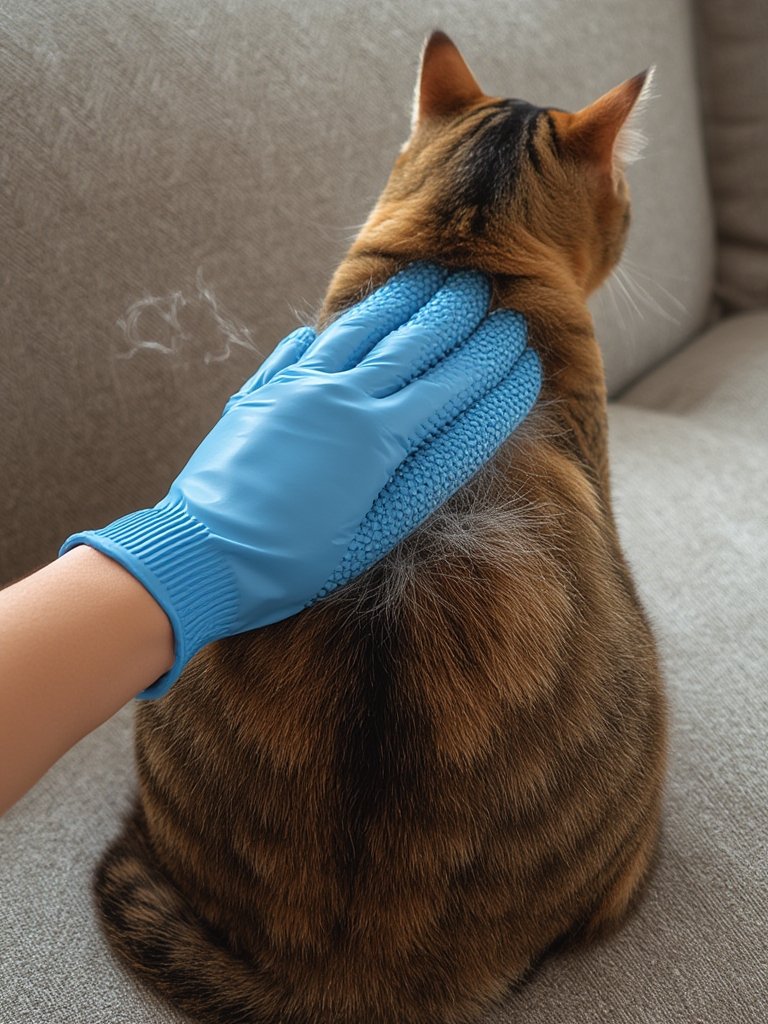
Pet hair remover gloves are wearable grooming tools fitted with rubber, silicone, or microfiber nubs designed to attract and lift loose fur from your pets or upholstery simply by petting or wiping. Unlike traditional brushes that can stress animals (and often scatter fur), gloves turn grooming into a natural, comforting touch.

This method is winning over pet owners because of its ease of use and efficiency on both pets and soft surfaces. According to recent market reports, 2024 estimates place the global pet grooming gloves market between $410 and $1.14 billion, with robust annual growth expected.
Several trends fuel this switch:
- Rise in pet ownership and “pet humanization” (treating pets as family)
- Increased awareness of home hygiene
- Pet owner fatigue from fur build-up on furniture, beds, and clothing
Rubber gloves dominate (valued at $0.4B in 2024) for their superior durability and hair removal, while silicone ($0.35B) offers soft flexibility for sensitive pets. Top-rated gloves—like those from Delomo, PetFusion, and Four Paws—often combine these materials for maximum effectiveness and comfort.
Convenience is a top reason busy owners love gloves, but are they always the best approach? Let’s break down how to use them for the fastest, cleanest results at home.
How to Use a Pet Hair Remover Glove: Step-by-Step Guide
Want to get the most out of a pet hair remover glove? Follow these actionable steps:
- Choose the right material. If your pet has a thick or long coat, opt for gloves with higher, denser rubber nubs for maximum grab. Silicone works well for short-haired or sensitive-skinned pets.
- Secure a proper fit. Gloves should be snug but not tight. Loose gloves slip, while tight ones can cause hand fatigue.
- Start with a clean, dry glove. Dampness decreases static, making the glove less effective for pulling up hair.
- Groom with gentle, consistent strokes in the direction of hair growth. Avoid going against the grain, which can irritate pet skin.
- Clean the glove frequently. Peel hair off as you work—overloaded nubs won’t collect more fur.
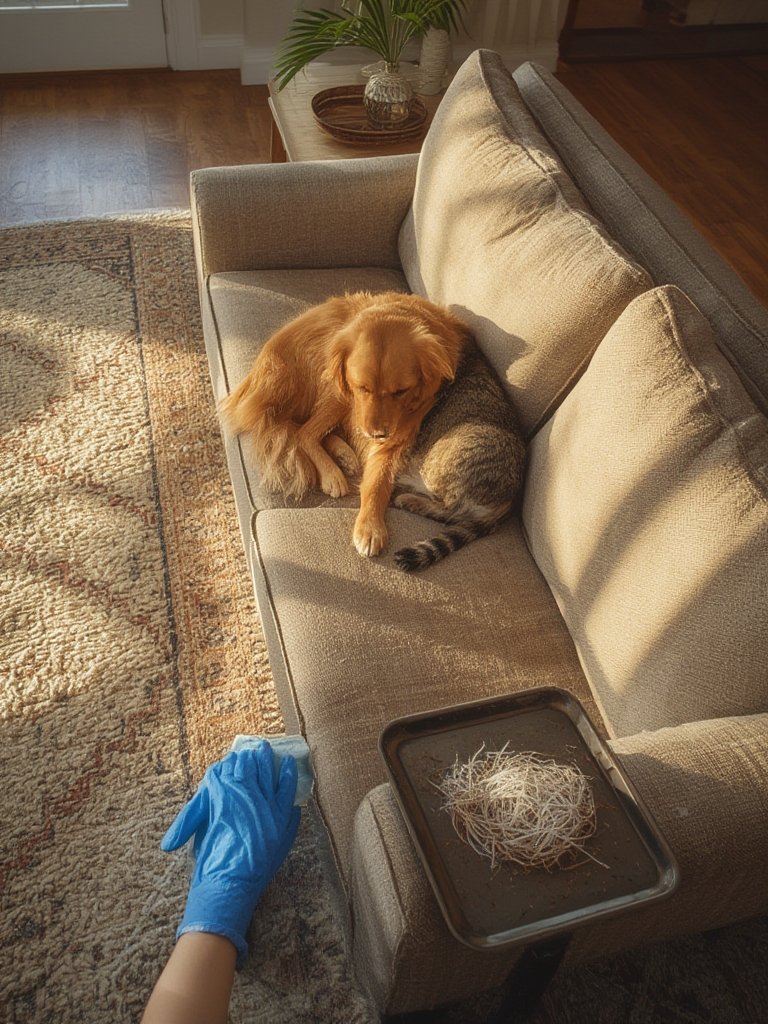
- For furniture or car seats, use short, swift wipes in one direction. Microfiber gloves excel at this step.
- Wash gloves regularly (per manufacturer). Air-dry to preserve elasticity and avoid warping.
If your grooming time feels overwhelming, consider supplementing with a robot vacuum for pet hair for floor pickup between sessions.
For more curated tips on choosing quality pet gear, browse our top product picks and recommendations.
Advanced Analysis: Common Pitfalls, Real-World Performance, and Comparison
While pet hair remover gloves seem like the ideal fix, not all work equally well—and there are a few realistic downsides pet owners have reported:
- Missed hair on tightly woven or velvet fabrics: Gloves sometimes struggle to lift fine fur from dense textiles, where a lint rollers or washable rug may help more.
- Limited lifespan vs. premium tools: Budget gloves can degrade with frequent washing—rubber nubs may crack, or fabric backing may fray after months of heavy use.
- Hand fatigue for large breeds: For owners of big dogs, prolonged sessions can cause cramping or hand soreness (seek gloves with ergonomic support).
- Ineffective for mats and tangles: Gloves are best for surface shedding, not for detangling or heavy matting—that’s where traditional brushes/detangling comb or brush excel.
- Allergy or irritation on sensitive pets: Some pets may react to rubber or synthetic materials. Always test for sensitivity and clean gloves well to prevent skin flare-ups.
| Feature | Pet Hair Remover Glove | Brush/Comb | Vacuum Tool |
|---|---|---|---|
| Ease of Use | Very easy, feels natural | Requires brushing technique | Can be awkward, noisy |
| Pet Comfort | High (massage feel) | Medium | Low (some pets dislike noise) |
| Effectiveness (Loose Fur) | Excellent (surface hair) | Excellent (all depths) | Excellent (floors, less so on pets) |
| Mats & Tangles | Poor | Excellent | Poor |
| Affordability | High | High to medium | Low (if vacuuming pets directly) |
| Durability | Varies (premium lasts longer) | High (metal/bristle brushes) | High |
| Environmental Impact | Reusable (check material sustainability) | Reusable | Energy use; single-use filters |
Most market reports, like this one, highlight material and design advances but offer little data on actual user complaints. From existing reviews, key warnings include:
- Some gloves lose effectiveness after repeated wash cycles.
- Failure to clean gloves regularly leads to skin irritation or poor grooming results.
- Eco-conscious buyers should check if the gloves are made with sustainable materials and designed for long-term reuse.
Premium gloves from brands like HandsOn and PetFusion incorporate sturdy stitching, ergonomic finger design, and hypoallergenic coatings. Cheaper alternatives might look identical but often skip on these touches, impacting value over time.
Many articles skip environmental considerations—ask brands about their sustainability, especially if you groom frequently or have multiple pets.
Conclusion & Expert Recommendations
Pet hair remover gloves are a fast, affordable solution for everyday grooming and home cleanup. Their value is highest for short sessions and for pets who dislike brushes. Look for premium materials like thick rubber or dual-layer silicone for longevity and safety.
If you need hands-off help for daily fur issues on carpets or rugs, consider adding a robot vacuum for pet hair to your workflow. For owners seeking vetted buying advice, you’ll find curated picks in our top product picks and recommendations hub or grab more pet-focused insights in our full pet hair remover glove guide.
The best solution is often a mix: use your favorite pet hair remover glove for quick pet bonding and surface cleanup, and supplement with targeted cleaning tools as needed. Ready to upgrade your pet routine? Test a glove for a week—you might be surprised at the comfort and less mess.
Frequently Asked Questions
Do pet hair remover gloves work on all pet hair types?
Most gloves work well on short, medium, and long fur, but effectiveness may drop with thick undercoats or curly hair. For tough mats, you’ll still need a detangling comb or brush.
How do I clean and store my glove for maximum life?
Peel off collected fur after each use. Hand-wash the glove in warm, soapy water weekly, rinse well, and air-dry fully before next use.
Are pet hair remover gloves safe for sensitive pets or cats?
Most high-quality gloves are made with hypoallergenic rubber or silicone and are safe for cats, puppies, or sensitive breeds. Always test on a small patch and stop if irritation occurs.
How do gloves compare to vacuums or lint rollers for pet hair on bedding or sofas?
Gloves are great for quick pickups and gentle cleaning, but vacuums or lint rollers may work better for deep-cleans or large surfaces. Consider alternating both for best results.
What should I look for in a premium glove?
Seek thick, flexible rubber or silicone nubs, secure stitching, ergonomic fit, and breathable liners. Check verified reviews for reports of long-term durability or skin reactions.