

Organic modern kitchen design has become the go-to choice for homeowners in 2024 searching for a space that feels calm, welcoming, and genuinely connected to nature. Combining natural materials, clean lines, and plenty of daylight, this approach balances beauty, function, and sustainability for everyday living.
Key Takeaways
- Over 70% of 2024 kitchen remodels are expected to incorporate organic design elements, especially natural textures and warm tones.
- Sourcing sustainable materials can be challenging, but choices like reclaimed wood, bamboo, and VOC-free finishes are widely favored by top designers.
- Ignoring smart storage, color harmony, and finish maintenance are the most common pitfalls in organic modern kitchen projects.
- What Is an Organic Modern Kitchen and Why Choose One?
- How to Create an Organic Modern Kitchen: Actionable Guide
- Advanced Analysis and Common Pitfalls in Organic Modern Kitchens
- Conclusion
- Frequently Asked Questions
What Is an Organic Modern Kitchen and Why Choose One?
The organic modern kitchen style is all about pairing minimal, streamlined cabinetry with authentic, natural materials and finishes. Biophilic design is at its core, using wood, stone, daylight, and greenery to promote wellness. Homeowners and designers in 2024 are drawn to soft, warm color palettes, tactile surfaces, and nature-inspired layouts that break down barriers between the kitchen and the outdoors.
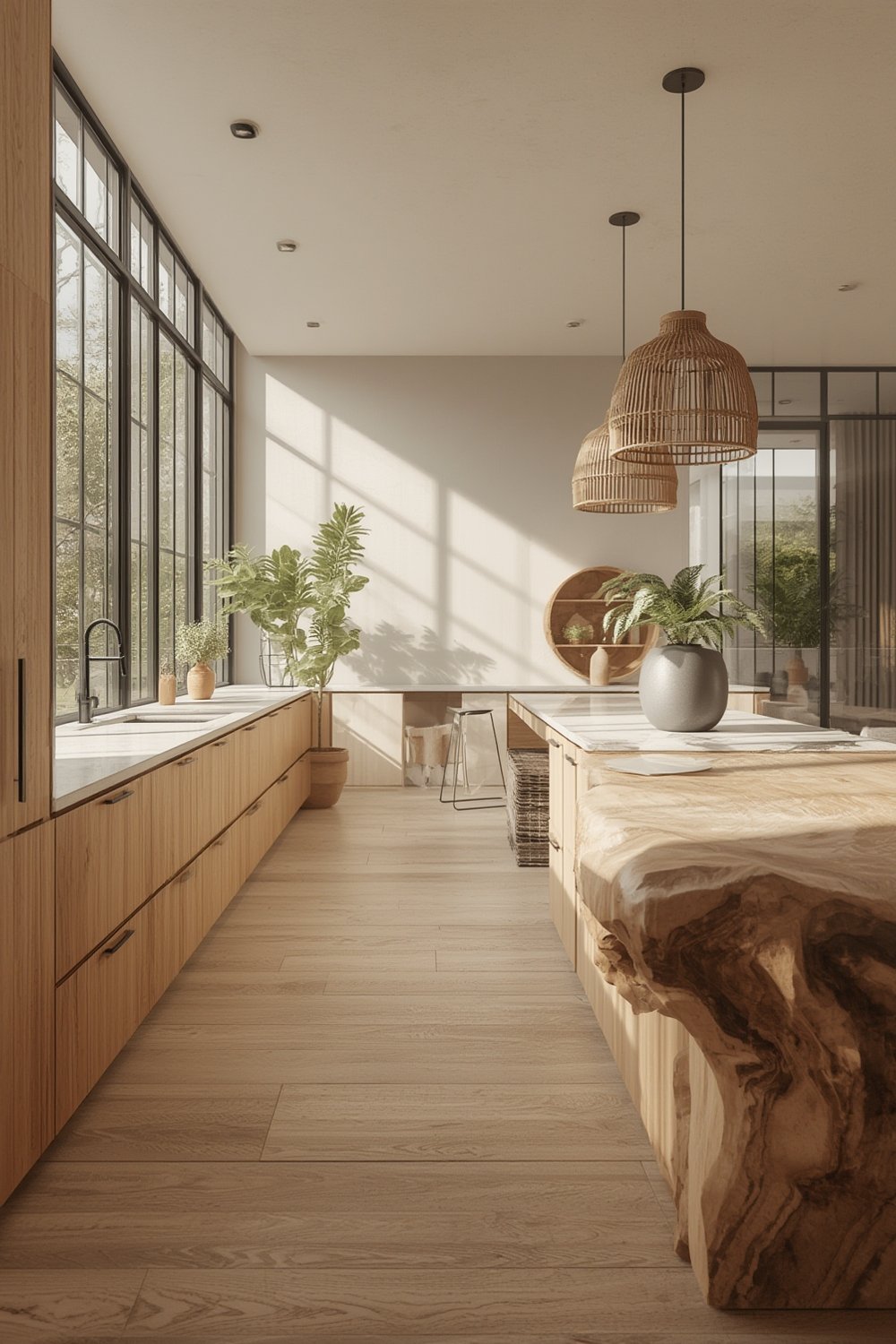
According to recent surveys, more than 70% of kitchen projects now include organic themes, such as large windows, seamless outdoor connections, and custom wood or stone applications.[Source] This trend has soared as sustainability and well-being become decisive factors for home improvement.[Source] If you’re looking for a kitchen that’s comfortable, practical, and reduces chemical exposure, this design direction deserves your attention.
How to Create an Organic Modern Kitchen: Actionable Guide
- Clarify your priorities: Is your main goal sustainability, a specific look, or improved function? Knowing your “why” will guide you.
- Choose your core palette and materials: Start with warm whites, light wood tones, or earth-inspired colors (think terracotta, oatmeal, sage). Use textures: matte stone counters, woodgrain cabinetry, or handwoven rattan details. Designers recommend reclaimed wood, bamboo, cork, and stones with a honed finish.[Source]
- Maximize daylight and outdoor connections: Large windows, glass doors, or at least bright task lighting can open up the space and blur the lines with your yard or balcony. For renters or those on a budget, strategic placement of mirrors or light tubes helps amplify daylight.
- Opt for simple forms with hidden storage: Flat panel cabinetry, open shelves, and minimalist backsplashes create calm and make cleaning easier. Prioritize deep drawers, built-in dividers, and vertical pantries for maximum usability.
- Pick eco-friendly finishes and hardware: Look for VOC-free paints, water-based sealers, and recycled-metal pulls.
- Layer natural textiles and greenery: Organic cotton towels, linen runners, and a few potted herbs make the space feel lived-in and healthy.
- Use multi-functional appliances: To save countertop space and cleaning time, choose induction cooktops, combination ovens, or a self-emptying robot vacuum that keeps hardwood and tile spotless with little effort.

Keep in mind that while natural materials create warmth and timelessness, they are only as sustainable as their source. Look for reclaimed, rapidly renewable, or recycled products—bamboo flooring, cork underlayment, or even composite countertops made from recycled aggregates. For cookware, see this non toxic air fryer guide to avoid exposing your family to problematic chemicals and fumes.
If you need in-depth home product advice, we recommend checking our top product picks and recommendations page for vetted tools, textiles, and storage solutions. For exterior upgrades, like permanent LED for your patios, see our permanent outdoor lights guide for low-maintenance lighting that complements natural wood and stone aesthetics.
Advanced Analysis and Common Pitfalls in Organic Modern Kitchens
Even the best-intentioned organic modern kitchen projects can fall short without planning for these challenges:
- Material sourcing headaches: Finding truly sustainable or reclaimed products can be time-intensive. Many showrooms label items as “eco-friendly” without backing or certifications. Ask for documentation and ideally, track product origins.[Source]
- Underestimating maintenance: While matte finishes and honed stone hide fingerprints and stains well, some natural materials (like unsealed wood, porous stone) can stain or scratch if not properly treated. Avoid high-gloss or lacquered surfaces if ease of care is a priority.[Source]
- Color harmony missteps: Mixing too many undertones—especially if custom woods or natural tiles are used—can result in a “busy” or visually jarring look. Stick to a base of 2-3 core hues, and test swatches together under your kitchen lighting before deciding.
- Neglecting small space solutions: Top-ranking articles often overlook creative ideas for compact homes. While one-wall layouts and minimalism are mentioned, unique concepts like vertical pull-out spice racks, modular fold-out tables, or open shelving above doorways can make a dramatic difference. Prioritize flexible furniture and easy-access storage.
| Material | Pros | Cons |
|---|---|---|
| Bamboo | Rapidly renewable, strong, modern texture | Needs high-quality sealing, can dent under impact |
| Reclaimed wood | Unique grain, eco-friendly, story-rich | Can be hard to source or prep, possible hidden flaws |
| Natural stone (honed/matte) | Durable, high-end look, hides streaks | Prone to etching or staining if not sealed |
| Cork | Soft underfoot, renewable, easy on joints | Can stain or fade in direct sun, may need refinishing |
| VOC-free finishes | Low emission, safer air quality | Some may offer less protection than conventional lacquers |
Another often skipped step: planning for cleaning and long-term habits. Choose finishes and layouts suited to your household’s lifestyle and cleaning frequency. For assistance with easy cleaning (especially for pet owners), check out our research-backed guide on the best self-emptying robot vacuums for pet hair.
Conclusion
Designing an organic modern kitchen is about more than chasing a trend—it’s a chance to improve your daily life with natural beauty, real function, and a healthier environment. Select materials carefully, focus on day-to-day usability, and don’t be pressured by magazine-perfect images. As the organic modern kitchen becomes more popular, the best projects will be those that blend authenticity with practical upgrades. Ready to refresh your home? Start with one step, and make it a kitchen you’ll love for years to come.
Check out our product recommendations hub for trusted advice, and share your progress or questions with us in the comments below.
Frequently Asked Questions
How do I know if a wood or stone material is truly sustainable or reclaimed?
Ask for documentation or supplier details when purchasing wood or stone. Reputable suppliers can show certificates of origin, sustainability credentials, or proof that materials are reclaimed. Avoid generic claims and push for transparency.
What colors work best in an organic modern kitchen?
Top designers suggest warm whites, soft greys, earth tones like terracotta and sage, and natural wood hues. Stick to a simple palette for cohesion and accent with greenery or warm metals for interest.
Can I achieve this look in a rental or without major renovations?
Absolutely. Use peel-and-stick tiles, replace cabinet handles with recycled-metal pulls, introduce plants, layered textiles, and non-toxic cookware for instant impact. Focus on small touches first and upgrade surfaces when possible.
What maintenance do organic materials require?
Natural wood and stone require gentle, pH-neutral cleaners and regular sealing (for stone). Wipe spills promptly. Avoid abrasive pads. Low-VOC or natural finishes may need reapplying every few years, but offer safer air quality.
What are essential certifications for a sustainable kitchen?
Look for certifications such as FSC for wood, Greenguard or GreenSeal for finishes, and specific recycling or reclaimed product badges. If documentation is unavailable, choose rapidly renewable or locally salvaged products instead.