

Non toxic air fryer choices are growing in popularity as more people question what goes into the coatings and materials used in their kitchen appliances. But what exactly makes an air fryer “non toxic,” and how can you avoid hidden risks from PFAS, PTFE, or other chemicals often found in modern models? In this detailed guide, get clear, actionable answers—no hype, just research-backed facts and practical tips.
Key Takeaways
- Many “non toxic” air fryers still use PTFE coatings; PFOA is banned, but overheating or scratches can cause harm.
- There is no universal certification for ceramic air fryers, so buyer research and reputable testing matter most.
- Data on user complaints and performance gaps is lacking, so making an informed choice requires caution and cross-checking sources.
- What Makes an Air Fryer Non Toxic?
- How to Choose a Safe, Non Toxic Air Fryer
- Advanced Analysis & Common Pitfalls
- Conclusion
- FAQ
What Makes an Air Fryer Non Toxic?
Most modern air fryers advertise themselves as non toxic, but what does that really mean? In reality, “non toxic” usually refers to models built without PFOA, BPA, or other known hazardous chemicals in the coatings or plastic components. The main health concern with traditional air fryers is their PTFE (e.g., Teflon®) nonstick coatings, which, when scratched or overheated, can release PFAS and noxious fumes that are potentially harmful to both humans and pets.
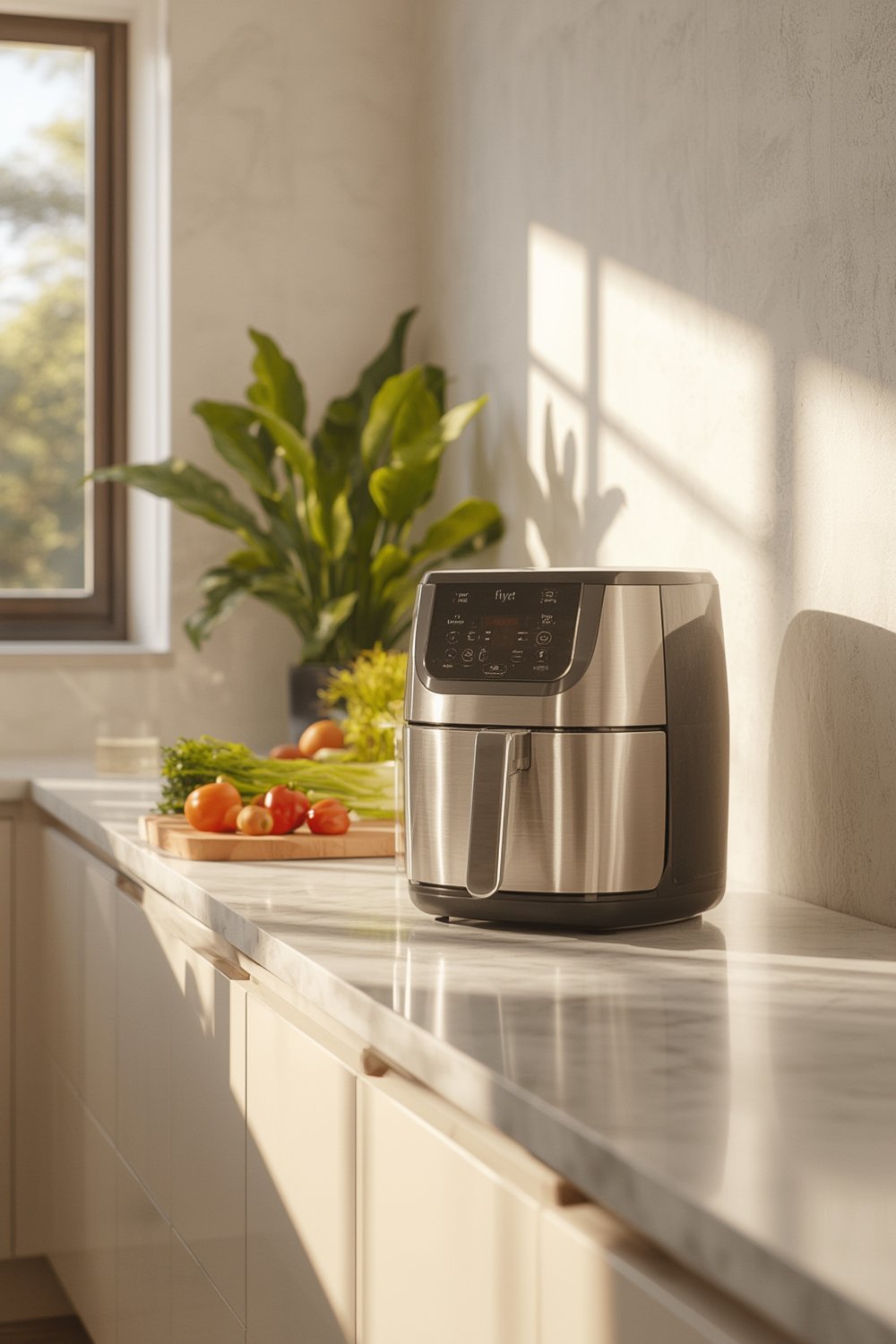
The push toward PFAS-free and “green” products means ceramic baskets or stainless-steel-basket air fryers are gaining sales, though most units in 2024 still use PFOA-free PTFE coatings. Certified safe models operate under FDA/EPA standards, but no universal third-party ceramic certifications exist. Making sense of the noise requires separating marketing claims from evidence—and understanding what each model is actually made from.
For more time-saving home picks, see our guide on self-emptying robot vacuums for pet hair, which uses a similar research-driven approach.
How to Choose a Safe, Non Toxic Air Fryer
Picking a truly non toxic air fryer takes more than reading the box. Use the following step-by-step process for your next buy:
- Double-Check the Coating Type. Look for clear disclosure of “PFOA-free PTFE,” “ceramic,” or “untreated stainless steel.” Be wary of meaningless slogans like “eco” or “healthy” without specifics.
- Investigate Certifications & Lab Testing. Models should specifically claim to be PFOA-free and BPA-free; check for FDA/EPA temperature ratings—PTFE is considered safe under 500°F (source). Ask the manufacturer for any independent lab results for ceramic, which are rare but most transparent brands will provide them if asked.
- Compare Basket & Crisper Plate Materials. Many “non toxic” models use glass baskets (like Fritaire) or stainless steel. ceramic baskets are also available. PTFE/PFOA-free labels are key, but check user reviews for hidden flaws.
- Beware Unrealistic “Non Toxic” Claims. There is no universally accepted “non toxic” certification for ceramic or glass. Stick with brands that share third-party lab results or testing methodologies (source).
- Read the Fine Print on “Lifetime Guarantee.” Some companies offer these on nonstick coatings, but always review the exclusions and what is required to claim replacements—some guarantee is better than none, but real longevity matters most.
- Check Heating Limits & Realistic Cooking Temperatures. Stick to units rated below 400°F for ceramic and up to 500°F for PTFE. Overheating is the number one risk for PTFE emissions to become dangerous (see research).
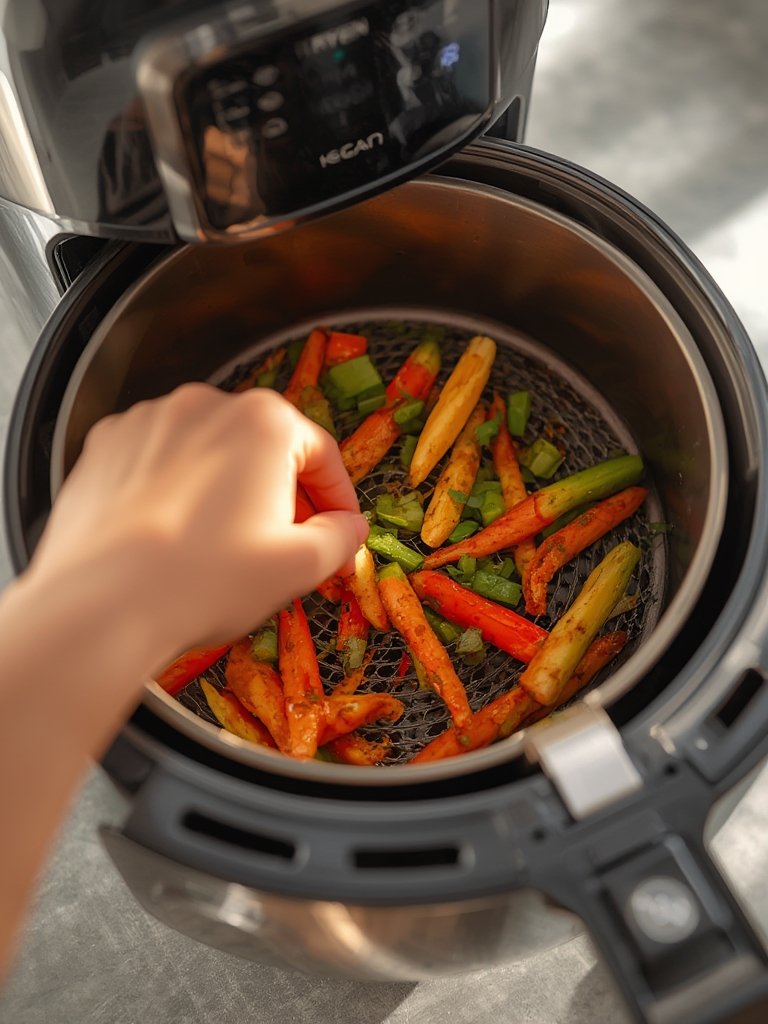
- Look for real-world comments on ease of cleaning and durability, as many ceramic and stainless steel models have less smooth nonstick properties—food can stick if not prepped correctly.
- Bookmark home guides like our top product picks and recommendations to stay current on brand updates.
For a more hands-on comparison of actual air fryer models, check ratings and experiment with small batches before going all-in on a large appliance.
Advanced Analysis & Common Pitfalls
Switching to a non toxic air fryer isn’t as simple as picking the first ceramic or stainless option you see. Here are the most common missteps and problems:
- Ignoring PTFE Risks on “Safe” Units: Even if a unit is certified PFOA-free, PTFE can emit fumes when overheated or scratched—these fumes are dangerous for birds and problematic for people with allergies (detailed analysis).
- No Industry Standard for Ceramic: “Ceramic” coatings are undefined. Many use composite ceramic/PTFE blends—with little transparency unless the brand openly shares lab data (source).
- Underestimating Durability & Ease of Cleaning: Ceramic coatings often underperform versus traditional PTFE for stickiness and may chip if scratched. Stainless steel baskets avoid this but can be tough to clean, especially after high-sugar marinades.
- Overlooking Basket Design: Stainless or glass baskets don’t always mean the crisper tray is also metal or glass—hidden plastic and nonstick can still lurk inside.
- Performance Gaps: High-heat cooking in all air fryers (including non toxic models) can generate acrylamide, though it’s less than conventional frying. Watch cooking temperatures to minimize this risk.
The technical differences between basket types (ceramic vs stainless) lack peer-reviewed, large-scale studies. Here’s a quick comparison table for practical differences:
| Feature | Ceramic-Coated Air Fryers | Stainless Steel Basket Air Fryers |
|---|---|---|
| Nonstick Performance | Usually average, may stick with eggs or cheese | Low unless pre-oiled, food can stick easily |
| Durability | Good if not scratched; chips possible | Excellent; rarely degrades |
| Cleaning | Can stain/bake-on food if not soaked | Dishwasher safe but can get crusty if not scrubbed |
| Heat Distribution | Generally even but depends on design | Excellent conductivity; heats quickly |
Lack of real-world complaint data is a significant blind spot in top-ranking articles (see environmental blog), so supplement your research with multiple sources and check for independent lab tests whenever possible.
Need help comparing other smart appliances for a non toxic home? Browse Hearthside Picks’ top product picks hub to avoid common pitfalls in your next home investment.
Conclusion
Choosing a non toxic air fryer is not as straightforward as following brand marketing. While PTFE/PFOA coatings are improving, risks like PFAS leaching or overheating emissions remain, especially as data on ceramic and stainless alternatives is limited. Focus on clear certifications, transparent testing, and real-world durability. Double-check every claim—and always prioritize your health and peace of mind over hype.
Ready to find the best non toxic air fryer for your kitchen? Start with manufacturer disclosures, check for third-party lab results, and use our actionable steps above to minimize risks. Explore more buying tips in our self-emptying vacuum guide or head to our curated top product recommendations page.
FAQ
Are all ceramic air fryers actually non toxic?
No. “Ceramic” is not a regulated term. Some coatings contain PTFE blends or undisclosed binders. Only trust brands that publish third-party lab results and specify PFAS-free materials.
Is PTFE (Teflon) safe if PFOA is no longer used?
PTFE is FDA/EPA approved up to 500°F, but fumes may be released if overheated or scratched. Avoid damaged coatings and keep cooking temperatures within safe ranges. Learn more from environmental research.
How can I make my air fryer truly non toxic?
Choose a model with confirmed PFAS- and BPA-free materials, preferably glass or stainless steel baskets. Check for independent lab results, and follow cleaning/care tips to prevent damage.
What certifications should I look for in a non toxic air fryer?
Look for PFOA-free and BPA-free claims, and stick with brands whose materials are FDA and EPA approved. There are currently no universal ceramic safety certifications.
Where else can I find evidence-based home product guides?
Check our curated best product picks and recommendations page for user-tested reviews across kitchen, cleaning, and home gadgets.
—